Long have I dreamt of seeing orcas in the wild. My fascination with the seas has been a part of my DNA for as long as I can remember. I dream of sitting quietly amongst the calm blue, with salty skin and sandy toes, admiring the orca as they parade the seas in their pods. I hope with everything in my bones, to one day observe these creatures in their natural habitat. If I ever get to be so lucky, I vow to respect their home whilst I am part of it; hoping to leave barely a trace of my visit.
A majestic and intelligent creature of our seas, and the largest of the dolphin species, the orca is an animal that has faced unwarranted ill-treatment at the hands of the human race. Hunted, killed, imprisoned – we cannot deny that orcas have suffered over the years in the ongoing case of the people vs orca. In 2024, whaling continues to be legal in some of the most orca rich of waters, and the species still finds itself enslaved to humans in parts of the world where captivity is applauded and shockingly still profitable.
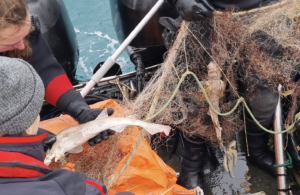
Our sins sadly do not stop there. Humans have gifted the planet with the ever polluting pools of plastic that drift our oceans. We police the seas with global fleets of unforgiving trawlers that eradicate any trace of life in their path. And there is the pressing matter of rising temperatures in our oceans, that is suspected to be a direct result of human behaviour. In 2023, the human race continued to introduce new ways to challenge marine animals further; from aggressive encounters with orcas in the Mediterranean Sea to the approval of hugely concerning oil projects like Rosebank.
Latest features



Continue reading
This story is exclusively for Oceanographic subscribers.
