The cost of the catch: A conservation corral for Cambodia
In a remote corner of Cambodia, the team at Marine Conservation Cambodia has been fighting trawl-fishing for over a decade. On their tiny island in the Kep Archipelago seagrass meadows once sprawled the seabed. Now, much of that ecosystem lies in ruin.
It took Sir David Attenborough just one documentary to ignite a long-overdue conversation.
When Ocean aired this June, millions of viewers finally witnessed what scientists, coastal communities, and conservationists have known for decades: bottom trawling is one of the most destructive fishing practices on Earth. For years, it slipped beneath the radar of public awareness, conveniently out of sight and out of mind. But now the conversation is shifting. Finally, the world is paying attention.
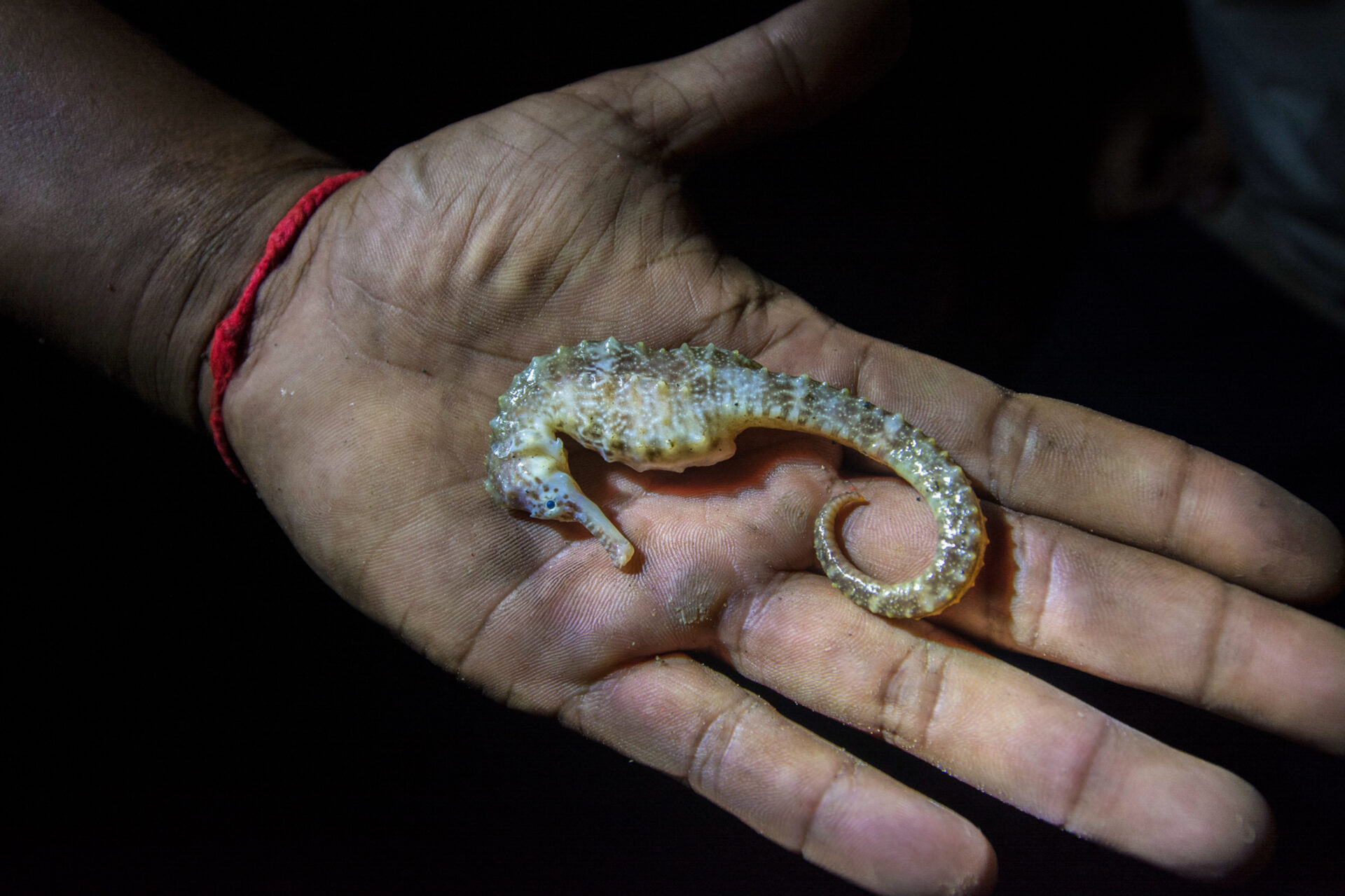
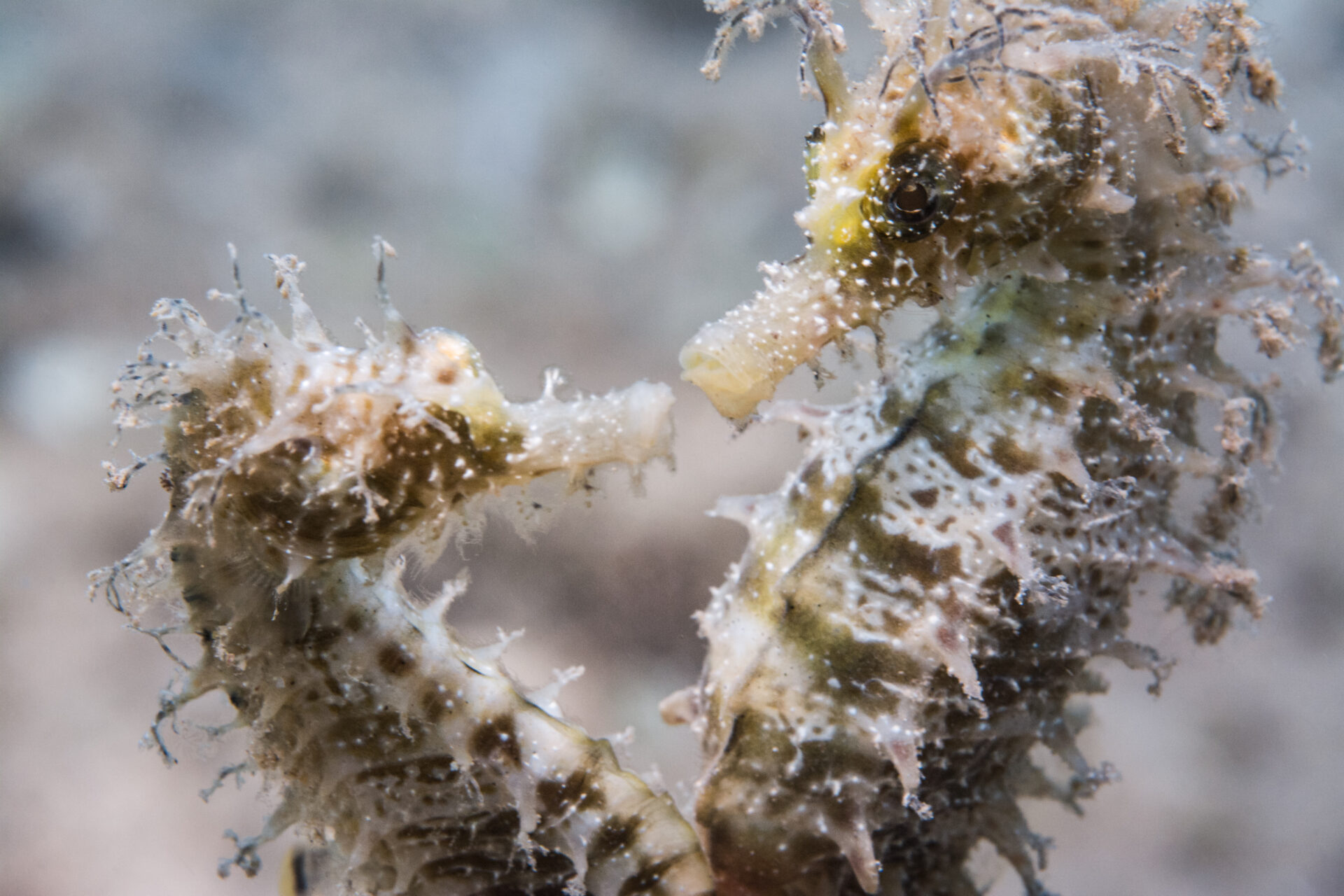
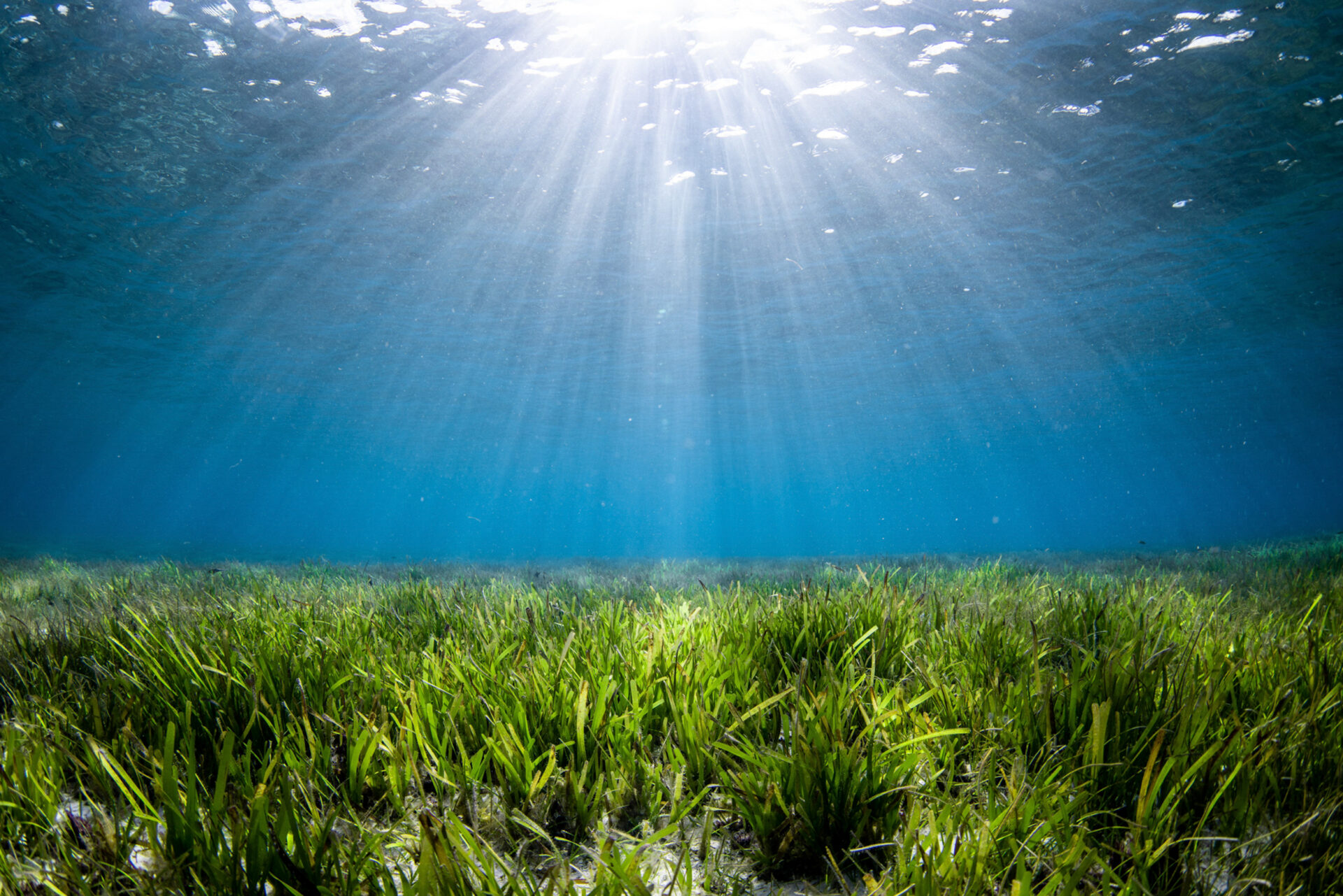
In a remote corner of Cambodia, the team at Marine Conservation Cambodia (MCC) has been fighting this battle for over a decade, long before it became headline news. Their base is Koh Ach Seh, a tiny island in the Kep Archipelago near the Vietnamese border. Here, seagrass meadows once sprawled across the seabed, offering sanctuary for juvenile fish, blue swimming crabs, and endangered species like dugongs and seahorses. Now, much of that ecosystem lies in ruin.
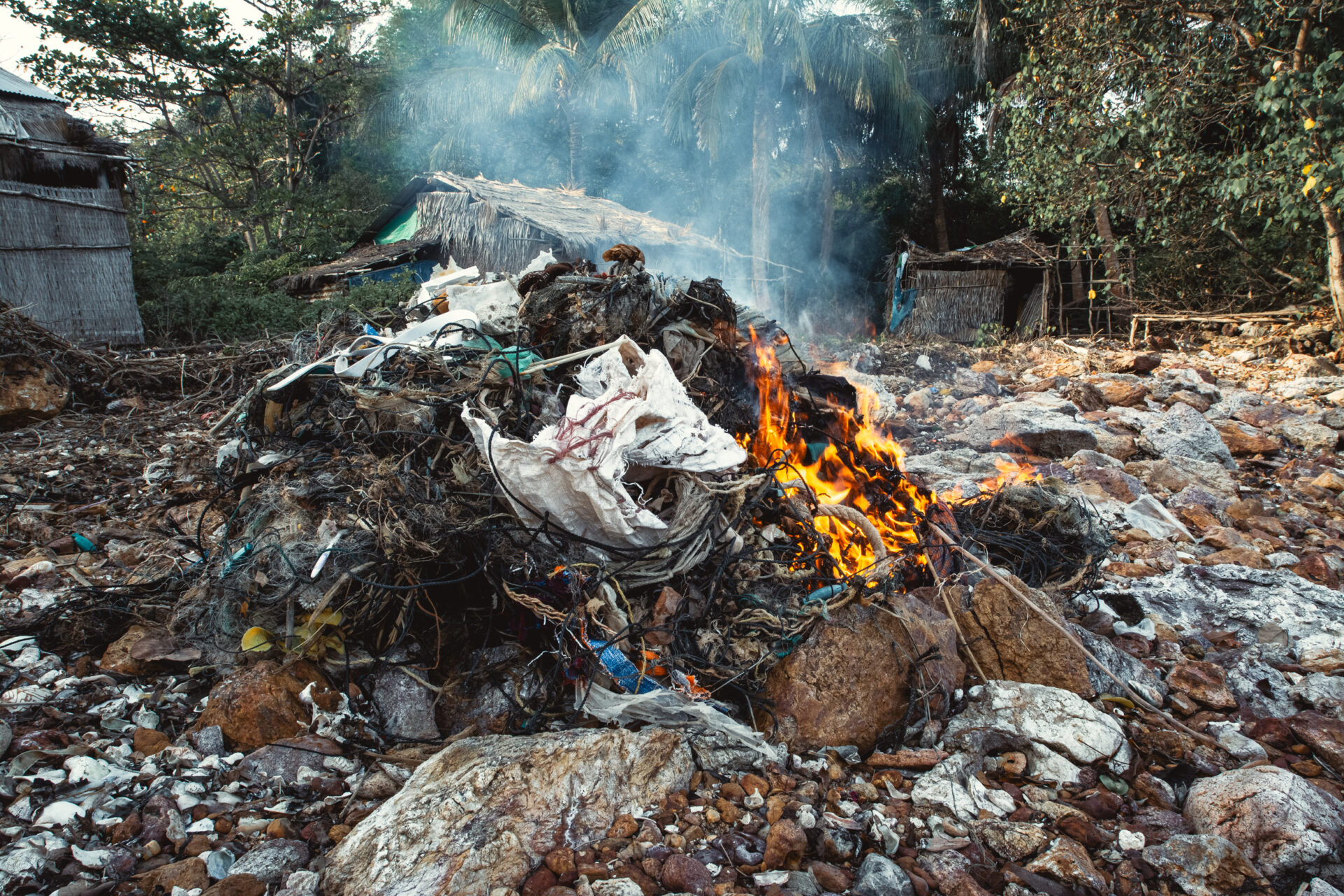
Illegal trawlers, mostly foreign vessels, cross into Cambodian waters under cover of night. Engines rumble through the darkness, dragging steel-weighted nets that scrape entire patches of seagrass from the seabed. By morning, the ocean floor is scarred.
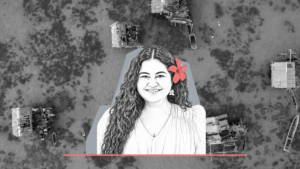
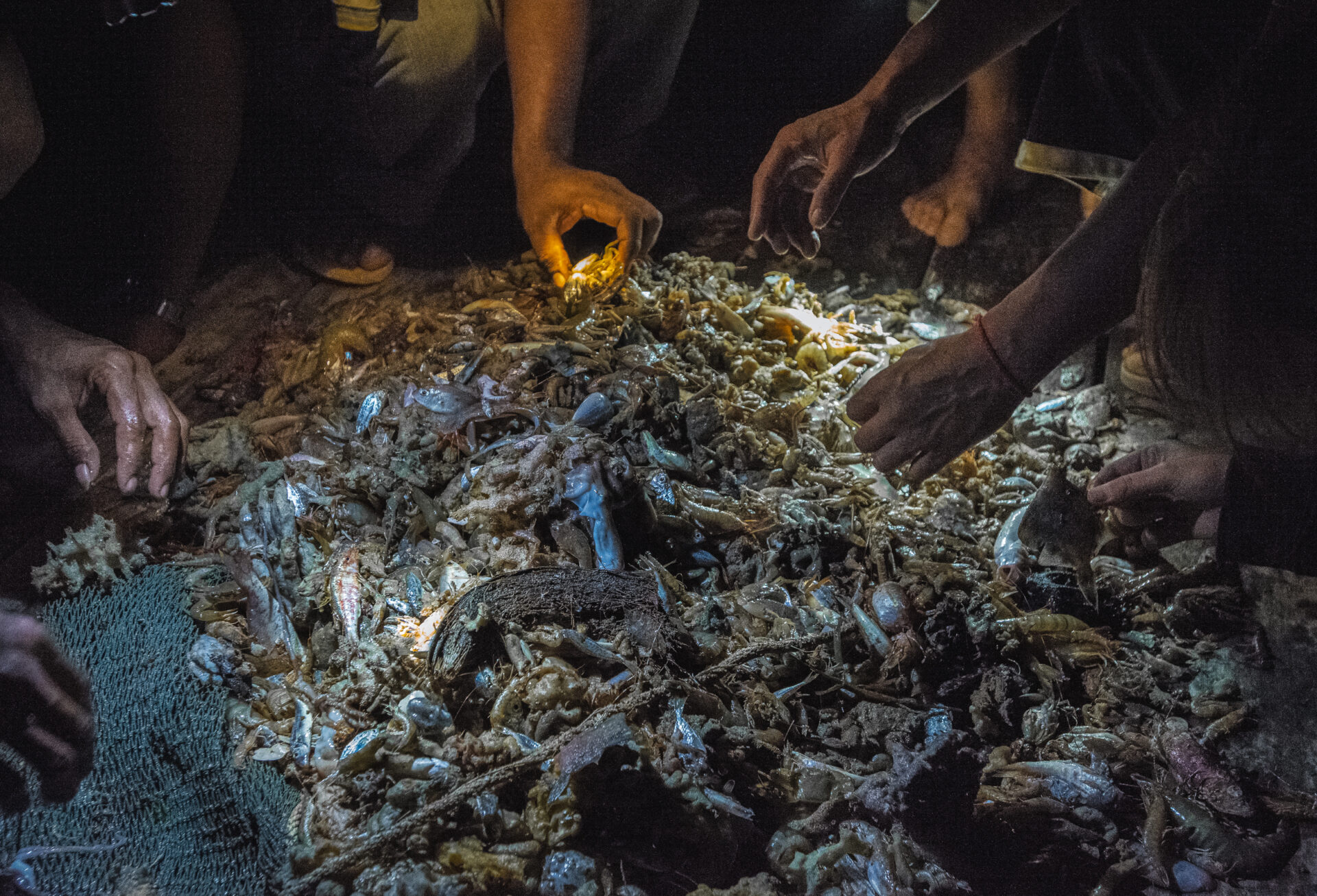
“Witnessing the effects of trawling was a turning point in my career,” says Sopheanie Phion, a Marine Mammal Researcher at MCC and the first Cambodian woman in her field. “I remember when the team returned from one of their night patrols – part of our ongoing efforts to monitor Illegal, Unreported, and Unregulated (IUU) fishing – carrying a confiscated trawl net.
“Inside were coral, crabs, juvenile fish, seahorses, and seagrass. All bycatch. None of it the intended catch. That moment changed everything for me. I knew I had to be part of protecting our ocean. That was nearly four years ago, and I’ve been with MCC ever since.”
Her story is one of many, but it’s these firsthand experiences that bring to life what is so often reduced to statistics.
In Cambodia, only an estimated 4% of a trawler’s catch consists of high-value species. Shrimp is the primary target, but the vast majority, commonly referred to as “trash fish”, is discarded. While trawling is officially banned, enforcement is another matter entirely. With few rangers and limited funding for nighttime IUU patrols, the damage continues largely unchecked.


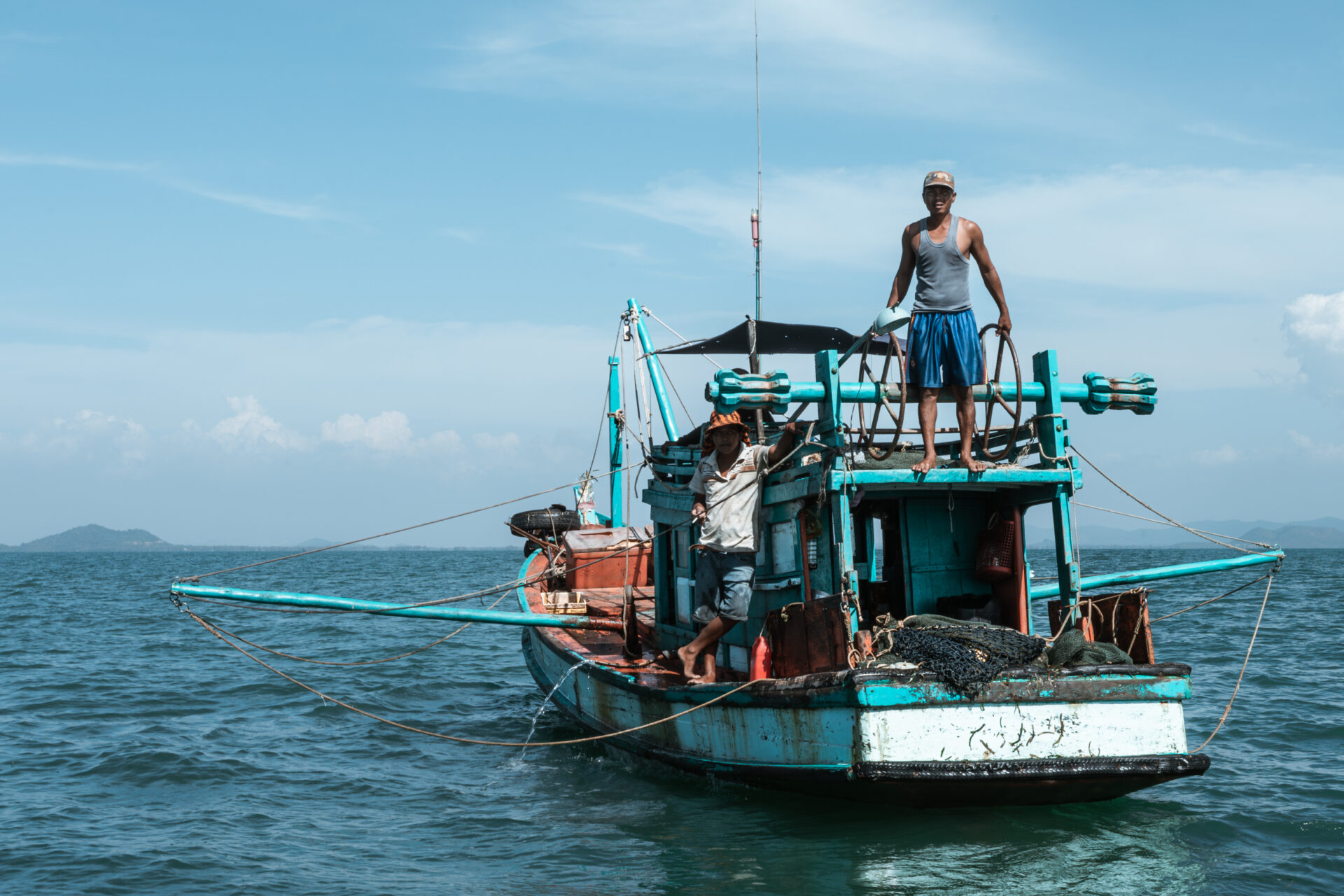
The injustice runs deeper than just environmental damage. In the Kep Archipelago, subsistence fishers still rely on traditional, low-impact techniques passed down through generations. These small-scale communities now face the dual burden of depleted waters and rising competition, caught in the crossfire of industrial greed and ecological collapse. For many, the ocean is more than a resource; it is their livelihood, food, and identity. And now, it’s vanishing.
That sense of urgency fuels MCC’s work. Founded in 2008, this grassroots NGO operates in collaboration with Cambodia’s Ministry of Agriculture, Forestry and Fisheries (MAFF) and coastal communities. From the start, their vision was bold: establish a Marine Fisheries Management Area (MFMA) around Koh Seh, ban trawling entirely, and regenerate marine ecosystems through local stewardship.
For a small NGO with limited resources, their achievements so far are remarkable. In 2018, after years of persistent advocacy, the Kep MFMA was designated by MAFF, covering an impressive 11,354 hectares (44 square miles).
“They are our eyes and ears,” said Ouk Vibol, Director of MAFF, when describing the MCC team. “We do not have the manpower or the budget to control all illegal fishing activities, but this MFMA gives us a pilot area where we can begin to enforce the fisheries law.”
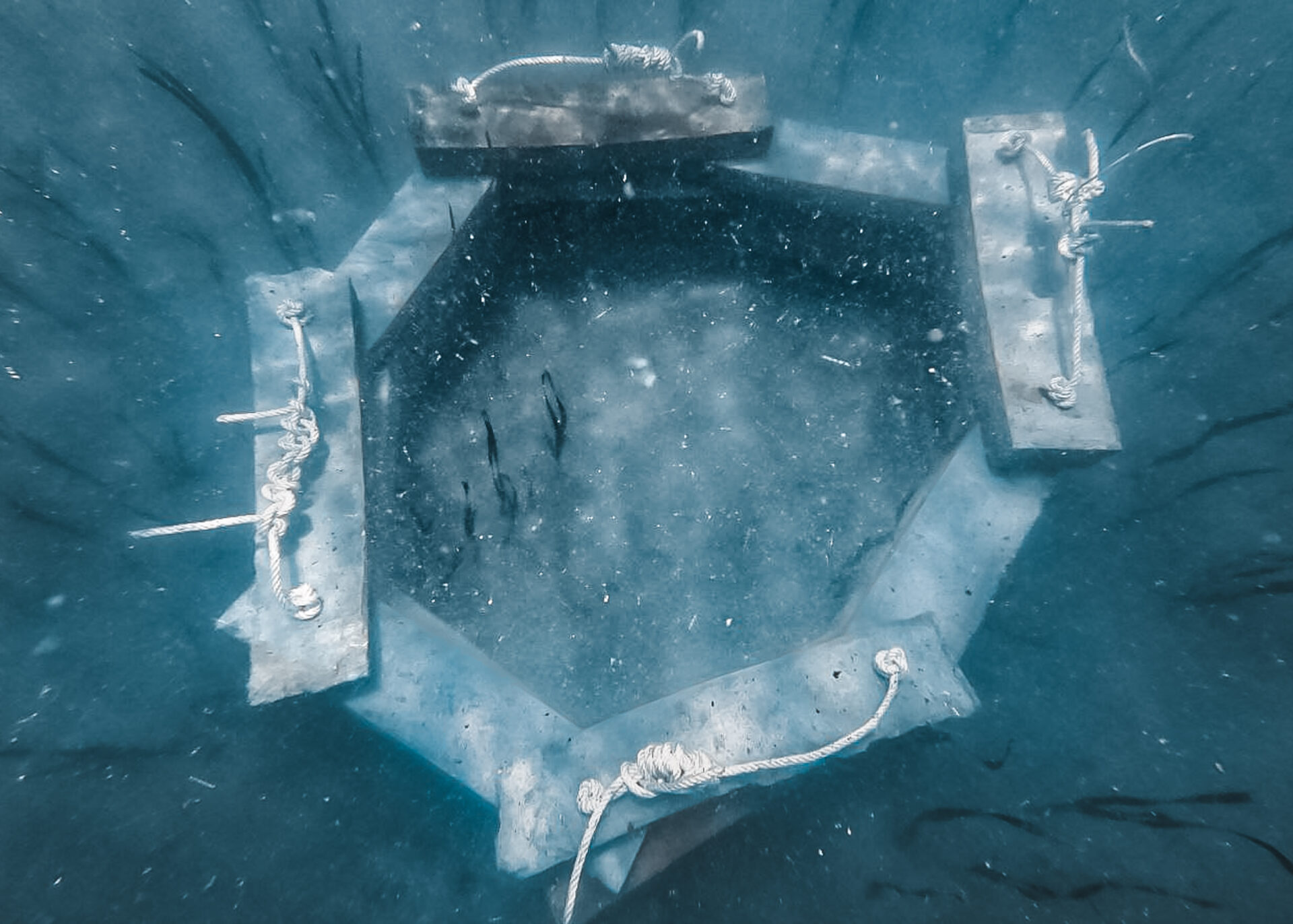
One of MCC’s most innovative and successful solutions to monitoring such a vast area with a small team has been the deployment of anti-trawling structures.
“Anti-trawling structures are large concrete blocks, each weighing around two tonnes, built with the help of local community members,” explains Sopheanie. “These are placed within marine protected areas, like around Koh Ach Seh, and they serve two purposes: first, they physically block illegal trawlers from entering; second, they create habitats for marine life.”
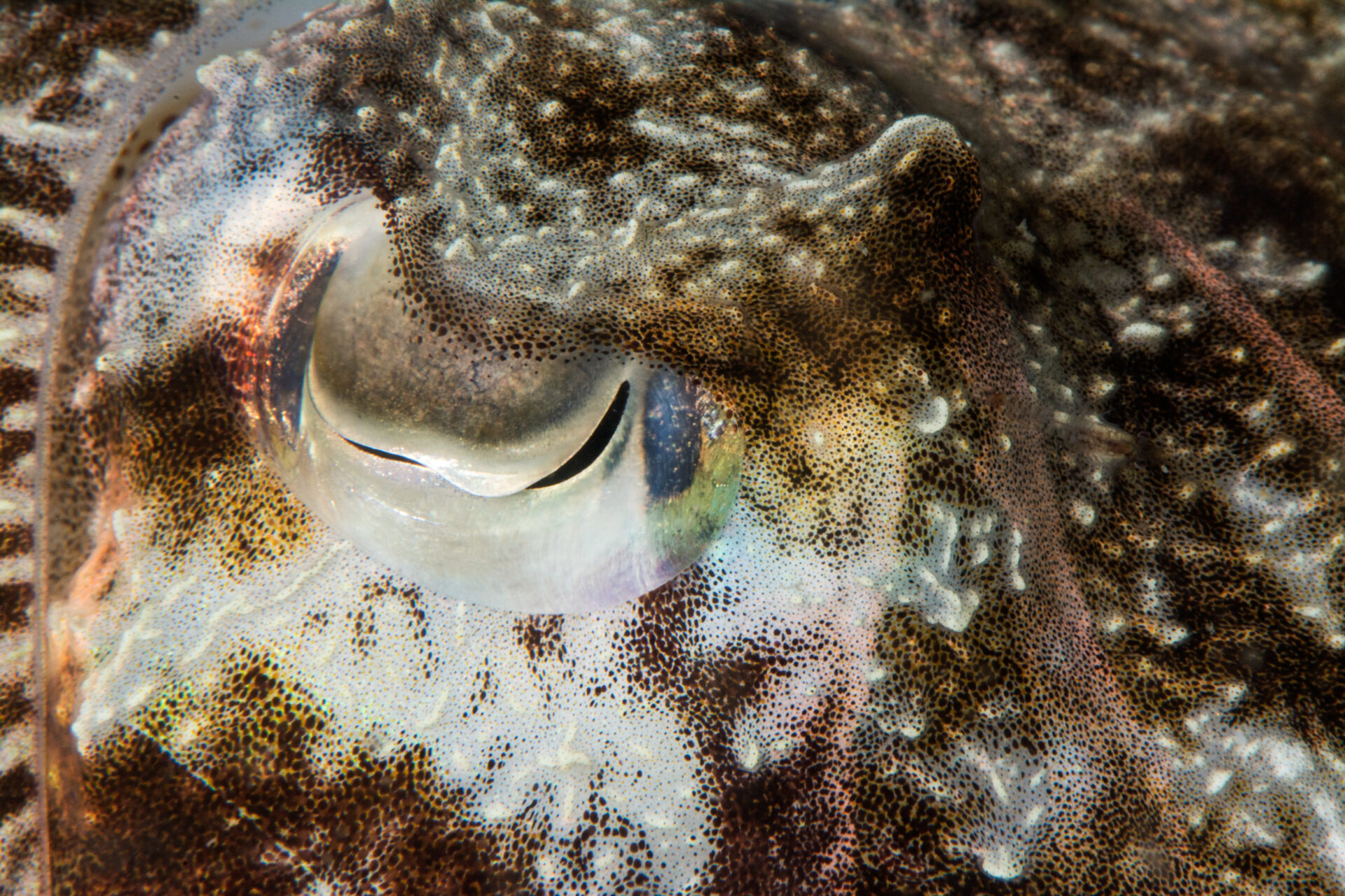
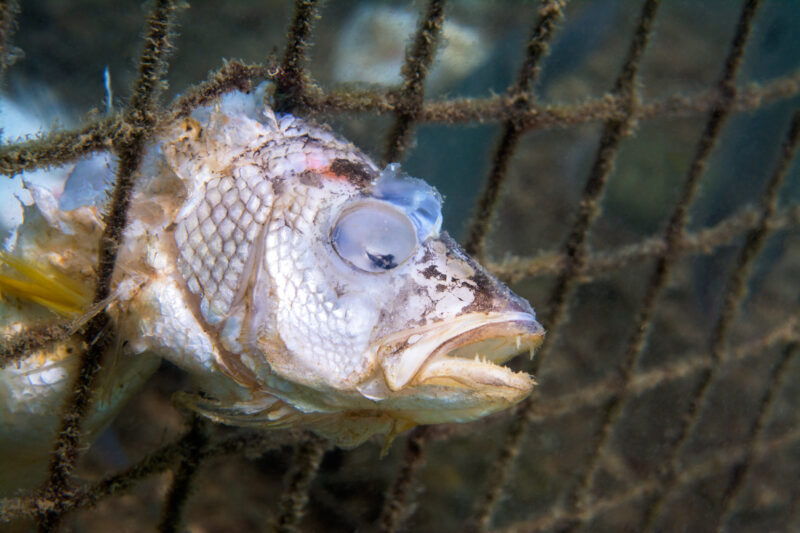
These blocks are more than just deterrents; they’re platforms for renewal. Coral and algae colonise them. Fish return to spawn. Micro-ecosystems take root.
“Around the structures, you can really see the ocean coming back to life,” Sopheanie says. “And one of the most positive elements is that we were able to train former illegal fishers in Cambodia how to scuba dive and deploy the structures.”
These fishers once relied on compressor diving; one of the world’s most dangerous fishing methods, where divers receive surface-supplied air through a hose instead of scuba tanks, often resulting in decompression sickness or worse. Now, they are certified divers with a role in conservation. Providing alternative livelihoods is one of the most effective ways to ensure effective long-term environmental protection.
And the initiative is scaling. MCC has just received approval for a five- to six-year project with the Asian Development Bank and MAFF to deploy 5,000 anti-trawling structures along Cambodia’s coastline, with the potential for more. The $93 million scheme, called the Sustainable Coastal and Marine Fisheries Project, that encompasses the anti-trawling structure deployment, is one of Southeast Asia’s most ambitious marine restoration efforts.
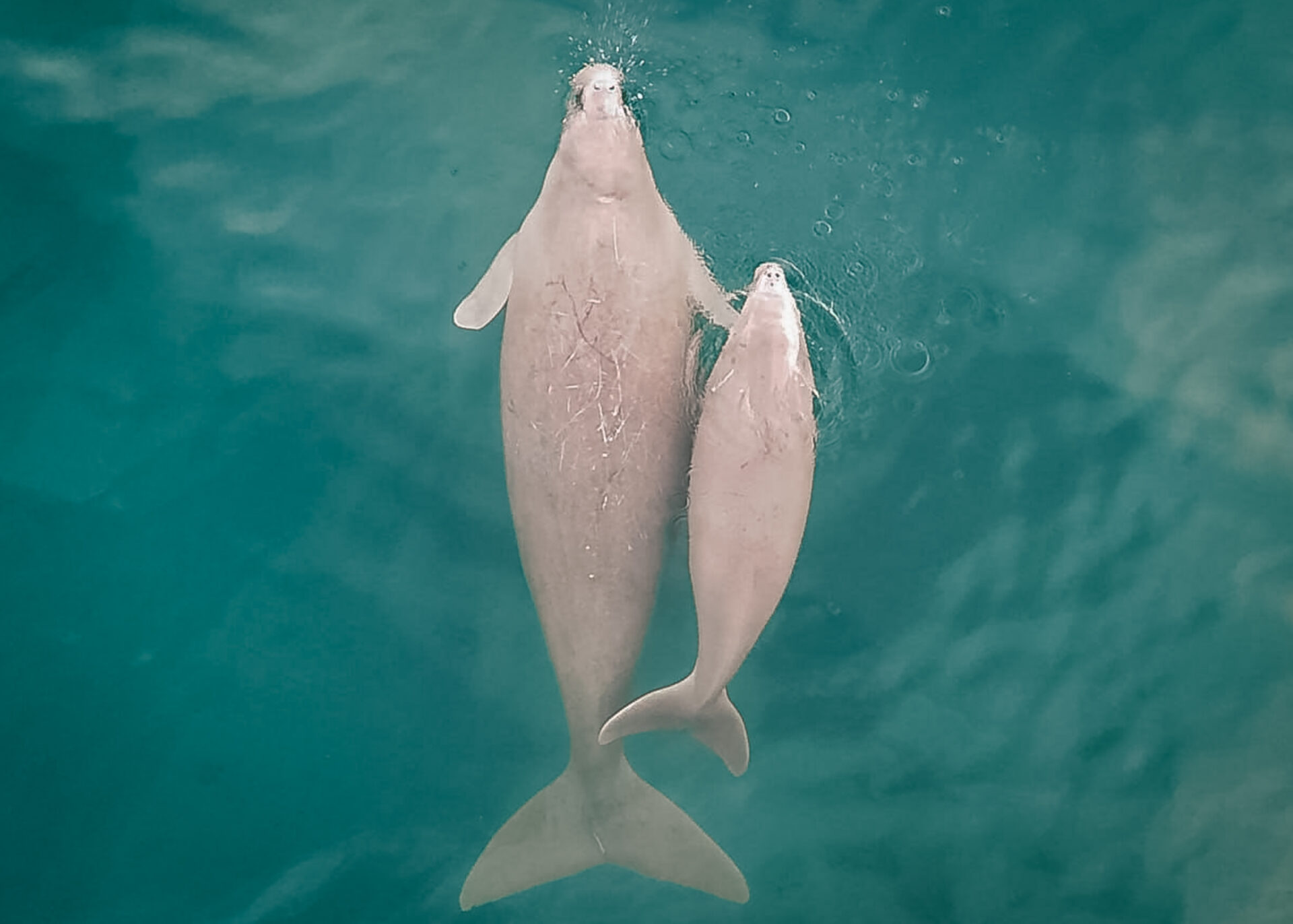
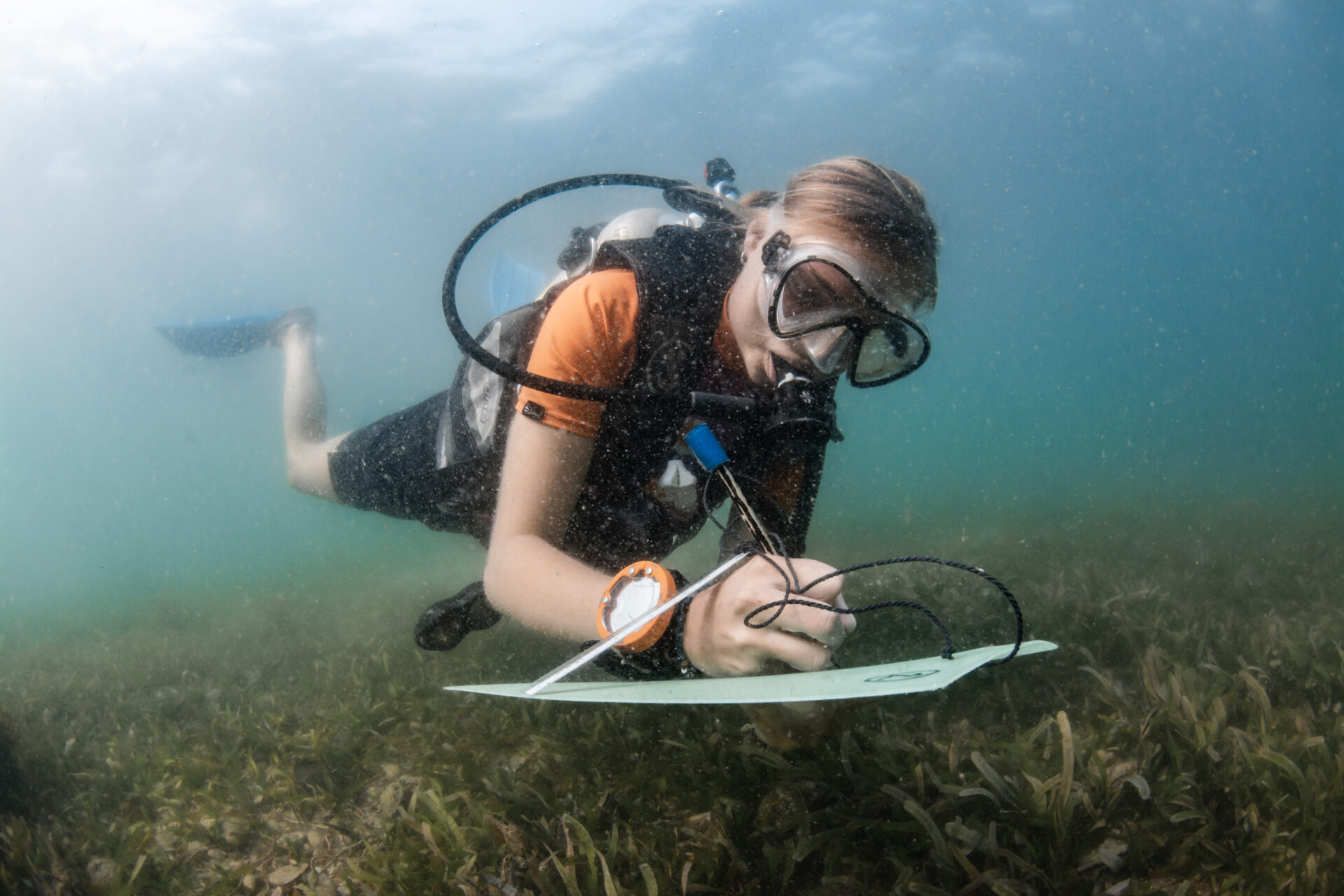
“Since the MFMA was designated and the anti-trawling structures deployed, we’ve seen seagrass return and fish populations rise,” says Sopheanie. “Dugongs, highly endangered marine mammals that feed on a specific seagrass called Halophila, have returned too. In one year alone, we recorded 22 dugongs, mostly mothers and calves.”
What makes MCC’s approach so effective is its holistic model: conservation is inseparable from community inclusion. Education, local employment, scientific training, and gender equity are all central to their mission.
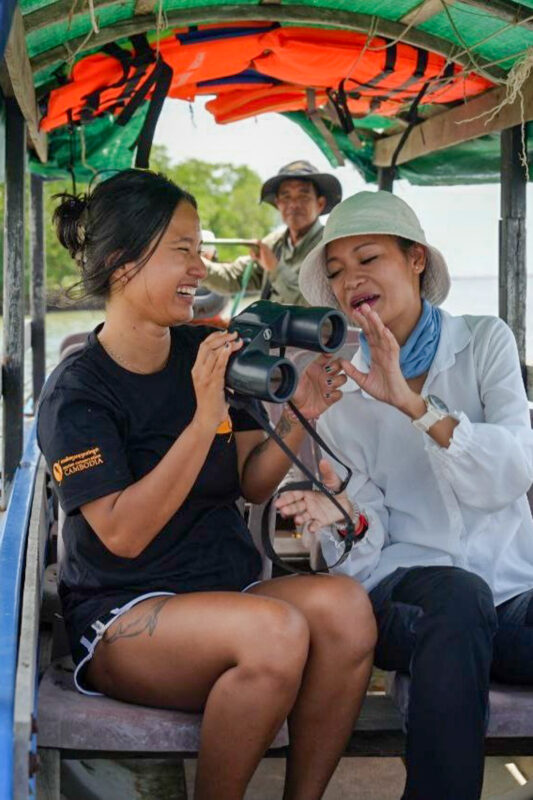
“One key focus is training,” Sopheanie explains. “We’ve trained local boat captains from tourist and fishing boats to drive responsibly and avoid disturbing marine mammals, like dolphins. We’re also supporting women in two Kampot communities to take part in marine research. They collect data, take ID photos, and educate tourists about marine life.”
As dolphin tourism gains traction, MCC is laying the foundation for a community-led, sustainable model. “When people see that protecting wildlife can support local livelihoods, they become much more involved,” she adds. “It’s especially inspiring to see women take on leadership roles in these efforts.”
Sopheanie knows the challenges first-hand. As a young Cambodian woman in conservation, she’s had to assert herself in spaces that weren’t built for her.
“At first, it was very challenging. As a young woman, my voice wasn’t taken seriously,” she recalls. “I had to work hard to prove my knowledge and gain trust. But eventually, I did. Now, I hope to inspire more women to get involved.”
Representation, she says, isn’t just symbolic, it’s strategic.
“When local women participate in conservation, it makes a big difference. Government officials and communities are more receptive when they see local faces. It builds trust, breaks down language and cultural barriers, and makes people more willing to share traditional knowledge. Uplifting local voices is essential for effective conservation.”
Yet, the obstacles remain daunting. Cambodia’s MAFF remains underfunded and overstretched, with limited capacity for enforcement. Weak local governance further complicates protection efforts. And while international treaties ban certain forms of trawling, enforcement at sea, especially in remote regions, is inconsistent at best.
Still, MCC’s grassroots presence has shifted the landscape. Daily patrols, community engagement, and local stewardship have made it harder for illegal trawlers to operate unchecked.
“If trawling were eliminated completely and the MFMA fully enforced, it would be a paradise,” Sopheanie says. “The water would be clearer, the fish would return in greater numbers, and biodiversity would thrive. Local fishers would have better catches and more stable incomes. They wouldn’t need to hunt endangered species like dugongs anymore; they could make a good living from regulated, sustainable fishing.”
She envisions a ripple effect: conservation supporting livelihoods, which in turn supports education, tourism, and long-term dignity.
“It would create a powerful chain reaction,” she says. “And all of it starts with protecting the sea.”
So, what can people far from Cambodia do?
“You don’t have to start with something big. Small actions, like sharing knowledge within your community, only purchasing sustainably caught seafood, voting for politicians who prioritise environmental protection, or supporting grassroots marine conservation, really matter,” says Sopheanie. “The ocean belongs to all of us, and every person has the power to protect it in their own way.”
Ultimately, we must redefine our relationship with the sea; from extraction to reciprocity. Because the ocean is not limitless. It is not invulnerable. But it is resilient. And with robust science, enforced management, and collaboration between policymakers, NGOs, and coastal communities, it can recover.
“Trawling doesn’t just destroy marine ecosystems,” Sopheanie says. “It destroys culture, tradition, and human survival. It’s as simple as that.” The world may have finally started the conversation. But it’s up to all of us to finish it.

Printed editions
Current issue
Back issues


Enjoy so much more from Oceanographic Magazine by becoming a subscriber.
A range of subscription options are available.
