“A pathway for the future”: Navy tech helps whales and fishers thrive
Climate change has been driving whales closer to shore and into the lines of California's crab fishermen. Now, a technology born from top secret Navy operations offers a fruitful solution for both

Over 300,000 whales, dolphins and porpoises die every year from entanglement in fishing gear and bycatch, according to the intergovernmental organisation the International Whaling Commission.
“The number of whale entanglements is actually at the point where it’s impeding the recovery of some of these endangered populations. These animals are trying to come back from decades of hunting,” says Dr Geoff Shester, Oceana’s Senior Scientist and Fishery Innovation Director.
And in Monterey Bay in California, where Shester lives and works, this problem is particularly acute.
The bay is home to an historic crabbing industry which has sustainably managed local stocks, and supplied Californians with their fresh Dungeness crab for seasonal festivities – a staple in Christmas, New Years and winter solstice celebrations – for generations.
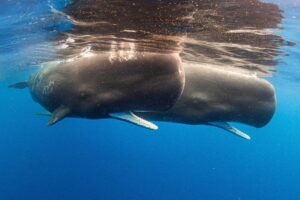
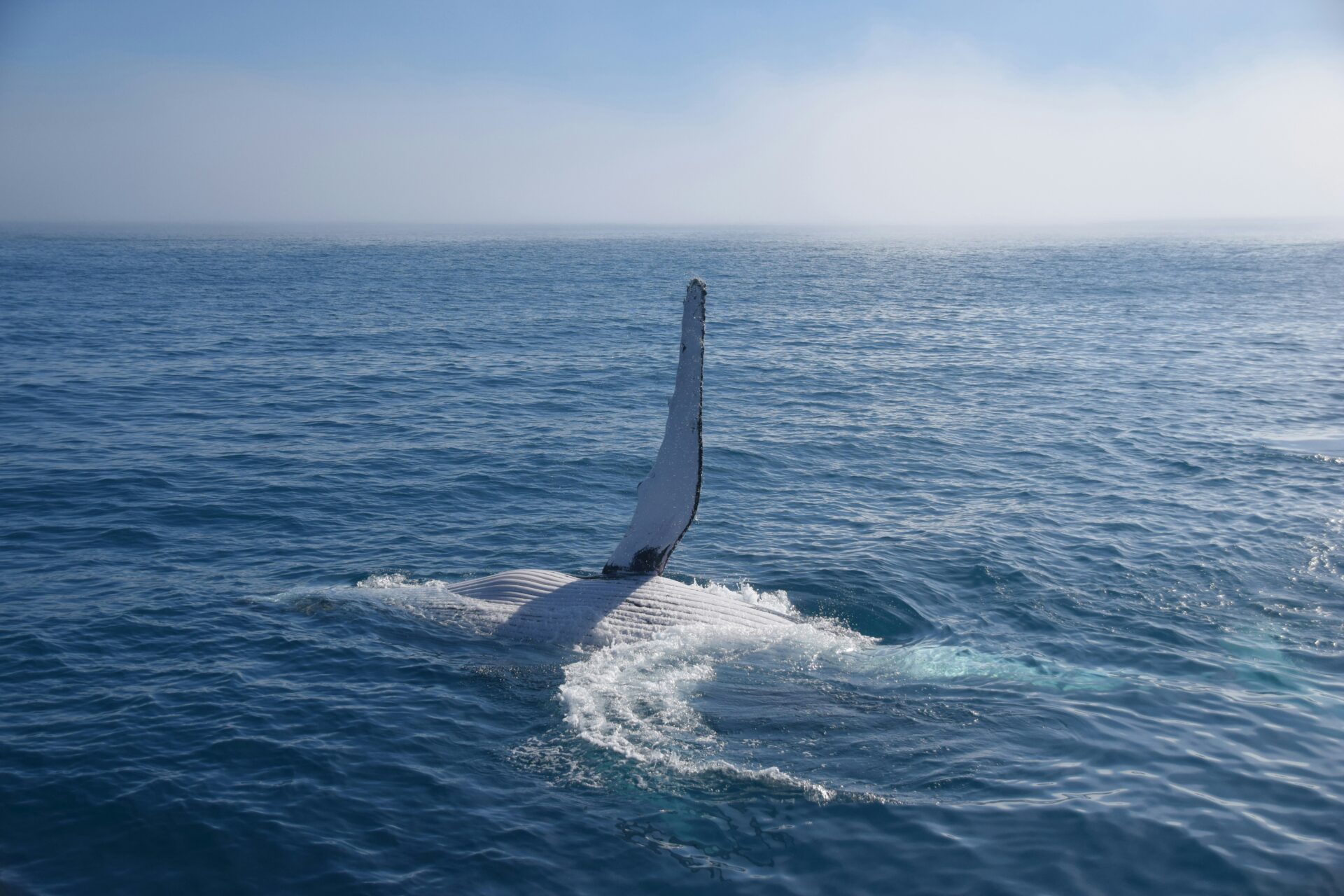
But as climate change causes marine heatwaves and changes upwelling patterns in the area, whales are swimming closer to shore to find food. In the process, driving them into fishers’ nets and lines and increasing entanglements.
“I think pretty much every fisherman that I’ve ever talked to is a whale lover,” says Shester, “These guys love being out there.”
“It’s a pretty emotional experience for some of these folks to actually go through and see their gear entangle on a whale and they want to do everything they can to stop that,” he adds.
But, Shester explains that it’s difficult from the perspective of fishermen trying to make a living when mitigation action – like stopping fishing according to predictions of whales being in the area – comes in.
“Of course, when that’s hitting your bottom line, you can imagine there’s a direct conflict there,” Shester says, explaining the practical financial impact of conservation policies working to protect whales from entanglement.
While predictive technology using satellite data, like the Habitat Compression Index, can help pre-warn policy makers about patterns of whale behaviour up to 6 months to one year ahead of time, it is not necessarily a long-term solution to the needs of local fishermen and whale populations – especially as marine heatwaves become more frequent due to climate change.
“We don’t want the future to be just small, smaller and smaller, shorter and shorter fishing seasons. We need to find a way, a pathway for the future,” says Shester.
Hope however seems to be on the horizon: this week the California Department of Fish and Wildlife authorised fishing with new whale-safe gear that will allow both whale populations and fishermen to share the ocean side-by-side.

In other news
This newly authorised gear, also known as “on-demand” or “pop up” gear, reduces the risk of whale entanglements by storing lines and buoys on the seafloor with a string of crab traps until a fishing vessel returns to retrieve the gear.
Interestingly, the technology was actually borne out of top secret Navy operations aiming to hide valuable things at the bottom of the ocean without anyone but the “burier” finding it.
The system uses an “acoustic release mechanism” triggered from the fishing boat, which then sends the boat to the surface.
The gear was tested in 2025 by 12 commercial California Dungeness crab fishermen who had a 98% success rate in gear retrieval and landed a total of 218,000 pounds of crab valued at approximately $14 million
“For the first time in years, crabbers will be able to keep fishing into the spring and early summer while at the same time whales can safely swim and feed off California’s shores without risk of becoming entangled in crab gear,” says Shester.


"*" indicates required fields
Printed editions
Current issue
Back issues
Enjoy so much more from Oceanographic Magazine by becoming a subscriber.
A range of subscription options are available.
