A third of UK waters are protected. Why are its seas still in decline?
A new government assessment finds the UK is failing to meet basic health standards for its seas in 13 out of 15 indicators, despite Marine Protected Areas covering 38% of UK waters.
The UK is failing to meet basic standards for the health of its seas, according to a new government assessment. Defra’s latest UK Marine Strategy report shows the country is not achieving Good Environmental Status in 13 out of 15 indicators used to measure ocean health – despite Marine Protected Areas now covering 38% of its waters.
Fish communities are deteriorating, seabed habitats continue to decline, marine bird populations are falling, and overall ecosystem health remains mixed. The findings raise serious questions about why existing protections are not delivering meaningful recovery – and whether the gap between policy ambition and practical action has become impossible to ignore.
“Continued massive overfishing, refusal to ban bottom trawling even in supposedly protected areas and non-existent monitoring or enforcement means it’s hardly surprising that the seas are in such a bad state,” said Jonny Hughes, Fisheries Policy Lead at Blue Marine Foundation.
“Catching too many fish, doing nothing to protect the marine environment and not even enforcing the discard ban means this is entirely unsurprising. At some point, making big bold statements about all the things you are going to do and then doing none of them becomes deliberately misleading.”
The findings for marine mammals illustrate the complexity of the overall situation. Grey seals are a relative success story, with stable or increasing populations meeting the Good Environmental Status threshold. Harbour seals, however, are declining in specific areas. For cetaceans – whales, dolphins and porpoises – the picture is less encouraging, with bycatch identified as a key contributor to populations failing to meet their targets across the Greater North Sea and Celtic Seas.

In other news
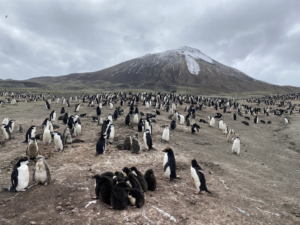
Seabirds are also cause for concern. While marine birds remain widely distributed, the abundance of non-breeding marine birds has declined in the Greater North Sea, dropping below the target that had been met in 2019. Breeding success has fallen in both the Greater North Sea and Celtic Seas regions.
On a brighter note, measures to remove invasive mammals from important island seabird colonies are proving effective, with this indicator now meeting its targets in both regions.
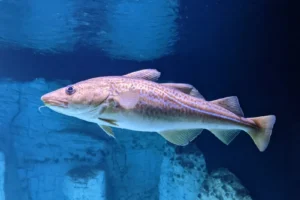
The state of fish communities presents a similarly troubling picture. The report highlights long-term declines in large fish, including significant reductions in species such as cod and saithe, alongside continued pressure from fishing activity and wider human impacts.
Some sensitive species are showing signs of recovery compared to their 2019 status, but the species composition and size structure of demersal fish communities has deteriorated in the Greater North Sea and Celtic Seas. That deterioration is reflected in the assessment of food webs, where the overall picture across all indicators is one of decline.
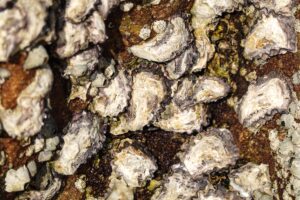
For benthic habitats – the communities of life on the seabed – the overall position is broadly comparable to 2019, with Good Environmental Status not yet achieved. However, two thirds of broad-scale benthic habitats in the Celtic Seas have now met the threshold, which represents meaningful progress. The assessment notes that measures recently introduced to strengthen protections for benthic habitats will require time to deliver their intended outcomes – though critics argue that time is a luxury these ecosystems no longer have.
Commercial fisheries continue to show some improvement, though they have only partially met Good Environmental Status. A range of policies and initiatives are underway as part of the UK Joint Fisheries Statement and national fisheries management strategies, but the overall picture suggests implementation is lagging significantly behind ambition.
Underpinning everything is the accelerating influence of climate change. Sea surface temperatures around the UK are rising, with the highest rates of warming observed in the southern North Sea. Marine heatwaves – short-lived but intense spikes in temperature – are becoming more frequent. Meanwhile, rising atmospheric carbon dioxide is driving ocean acidification, and oxygen depletion is increasing, particularly in late summer.
The assessment is careful to note that while climate impacts are evident across its findings, most indicators have not yet identified changing ocean conditions as the primary driver of their current status. But the direction of travel is clear, and the implications for the future achievement of Good Environmental Status are significant.


"*" indicates required fields
Printed editions
Current issue
Back issues

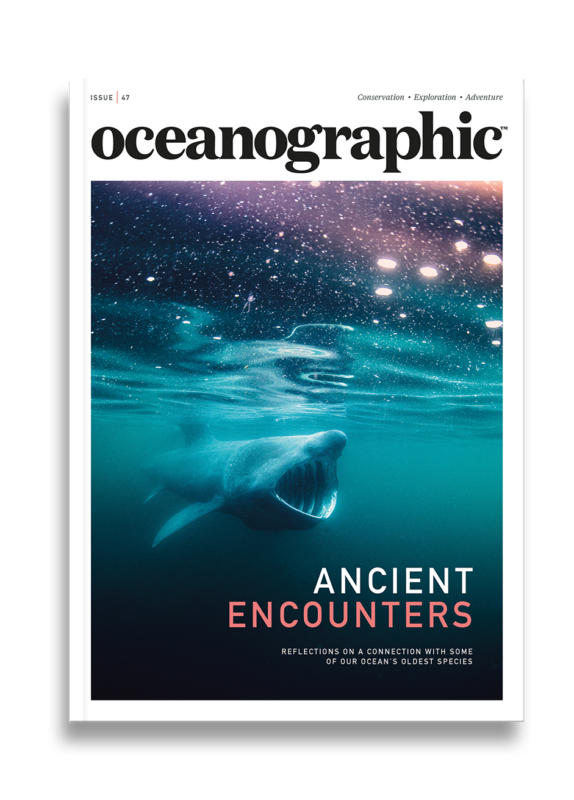
Enjoy so much more from Oceanographic Magazine by becoming a subscriber.
A range of subscription options are available.
