AI exposes scale of bomb fishing devastating Coral Triangle reefs
The study finds the illegal fishing practice occurs on Indonesian reefs almost hourly, causing 160,000-square-metres of damage.
Illegal bomb fishing is inflicting severe damage on one of the world’s most biodiverse coral reef systems, according to a new pilot study from researchers at Lancaster University and Indonesian institutions.
The team used an AI-powered underwater listening system to monitor the Spermonde Archipelago off Southwest Sulawesi, Indonesia, a region within the Coral Triangle – the most biodiverse marine area on Earth. Their findings suggest explosives are being detonated on the reef at a rate of roughly once every hour, offering the clearest picture yet of how widespread the practice really is.
Bomb fishing involves setting off homemade explosives underwater to kill or stun large numbers of fish for easy collection. While efficient for fishers, the method is catastrophic for marine ecosystems, killing fish indiscriminately over a wide radius and decimating coral structures. Reefs hit repeatedly can be reduced to rubble fields that struggle to recover without expensive restoration work.
Although banned everywhere, the practice has been recorded in at least 34 countries, driven partly by poverty, limited alternative livelihoods and patchy enforcement against illegal explosive supply chains.
To gauge the true scale of the problem, researchers deployed underwater microphones capable of detecting blasts from around 16 kilometres away, then built a machine-learning model to sift through the resulting audio. The system allowed a month’s worth of recordings to be analysed in just four hours, rather than the weeks it would take manually.

In other news



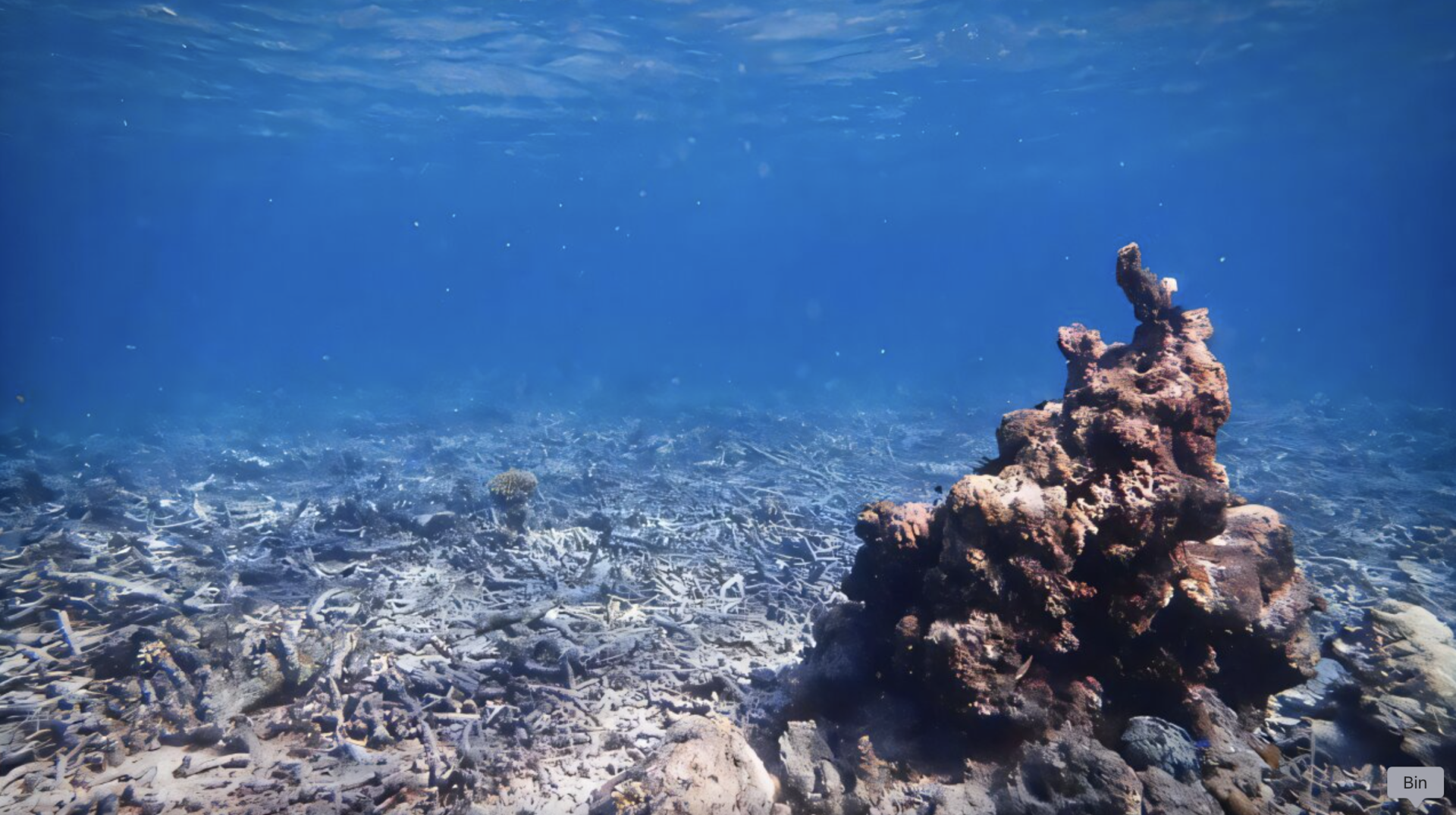
Over 16 months, the microphones captured roughly 3,570 suspected blasts across 3,650 hours of recordings – equivalent to about 8,500 incidents a year, and an estimated 160,000 square metres of reef degradation.
Dr Tim Lamont of Lancaster Environment Centre, who worked on the study, said the sheer prevalence of bomb fishing in such an ecologically important area was troubling, though he described the monitoring technology itself as an encouraging step forward.
The research, published in Remote Sensing in Ecology and Conservation, comes against a backdrop of mounting pressure on coral reefs worldwide, with climate projections suggesting up to 90% could be lost by 2050 under 1.5°C warming scenarios. Bomb fishing adds an acute, localised threat on top of that broader decline.
The researchers say the low-cost listening approach could now be scaled up to identify bomb fishing hotspots and activity peaks in real time, helping direct patrols and rapid-response conservation efforts. Combined with community engagement in affected fishing areas, they hope the technology could support more effective and fairer efforts to curb the practice globally.
“Now it’s possible to automatically detect bombs with low-cost equipment, it opens the door for strides forward in monitoring and enforcement,” said Lamont. “This technology could really help in the fight to end bomb fishing around the world.”
Click here for more from the Oceanographic Newsroom


"*" indicates required fields
Printed editions
Current issue
Back issues
Enjoy so much more from Oceanographic Magazine by becoming a subscriber.
A range of subscription options are available.