Scotland's seabird population halved since 1980s, new figures reveal
Arctic Skuas, little terns and common terns were hit the hardest, while black-headed gulls and gannets had stronger-than-average years
Scotland’s seabirds are in serious decline, with new government data showing numbers have fallen by roughly half over the past four decades as birds face mounting pressure from climate change, disease and dwindling food supplies.
The latest Scottish Biodiversity Indicator for Seabirds, published by NatureScot, examined 19 of the 24 seabird species that breed along Scotland’s coastline, comparing populations between 1986 and 2024. The findings, drawn from the UK Seabird Monitoring Programme, show that nearly every species assessed has declined over the long term, with eight suffering particularly steep losses.
Arctic skua has been hit hardest, with numbers plunging 93% since 1986. Little tern and common tern followed, down 75% and 73% respectively.
The report also flagged a troubling trend in breeding success, measured by chick production, which has fallen over the long term. Half of the 16 species tracked for this measure produced fewer chicks than their three-year average, with overall breeding success now sitting at around three-quarters of 1986 levels.
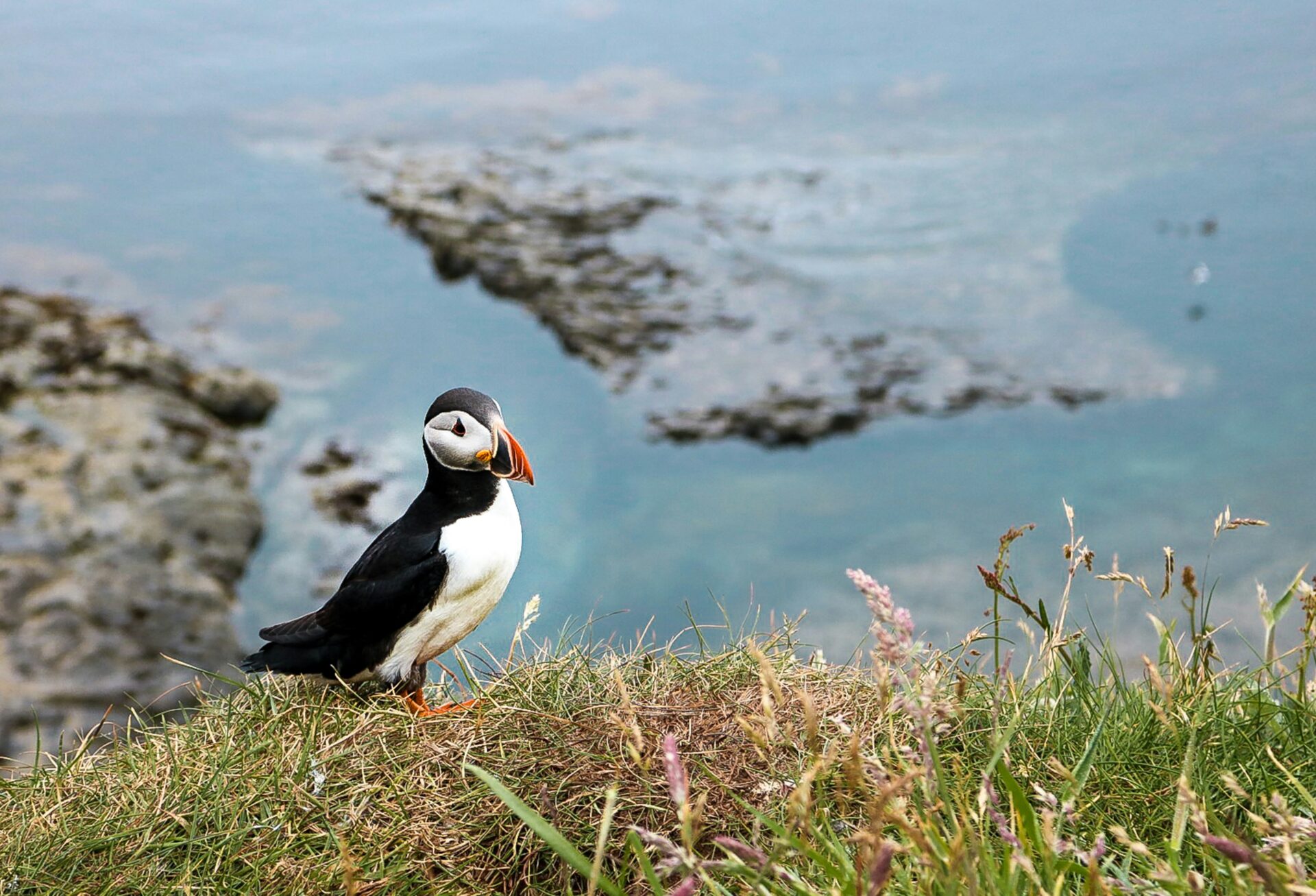
However, the data also showed some signs of hope. Black-headed gulls, guillemots and puffins showed signs of stabilising breeding success over the most recent three-year period, from 2022 to 2024. Great black-backed gulls and gannets also had a stronger-than-average breeding year in 2024, though NatureScot cautioned this doesn’t offset the longer-term damage avian flu has inflicted on gannet colonies. Year-to-year breeding success can swing depending on food availability, weather and predation, the agency noted.

In other news


Earlier this month, NaturScot banned the guga hunt – a traditional hunt where islanders from the Hebredian island Sula Skeir kill gannet chicks – for the first time in 400 years.
NatureScot marine ornithologist Bex Outram said: “Scotland is home to more than 60 percent of the UK’s seabird population. Our seabird colonies are world-renowned, contributing significantly to wildlife tourism, worth an estimated £127 million to Scotland’s economy each year.
“But many of our seabirds are under threat. Climate change, food shortages, invasive species, and other human pressures are contributing to their decline. Disease outbreaks like avian flu and extreme weather events have also had devastating impacts.”
She added that work is underway as part of the Scottish Seabird Conservation Action Plan “to help secure the future for Scotland’s seabirds,” with efforts focused on safeguarding food supplies, restoring habitats and maximising seabird survival. “These efforts will take time to have an impact, which is why long-term monitoring coupled with advances in technology to improve our understanding of seabirds is vital,” she said.
As part of that effort, the Scottish Marine Environmental Enhancement Fund has helped fund 40 bespoke GPS tags and ten base stations to track northern fulmars on St Kilda and Fair Isle. The National Trust for Scotland said the data will ensure a better understanding of the foraging behaviour behind the birds’ decline.
Click here for more from the Oceanographic Newsroom


"*" indicates required fields
Printed editions
Current issue
Back issues
Enjoy so much more from Oceanographic Magazine by becoming a subscriber.
A range of subscription options are available.
