New species of seahorse had eluded scientists for over a century
The species - Hippocampus amandavincentae - was found by an international team of researchers examining heaps of bycatch at Tuticorin harbour in southern India. Scientists had encountered the fish for more than a century without realising it was a distinct species.
A newly identified seahorse species from the Indian Ocean has finally received the recognition it deserves after eluding scientists and evading discovery for more than one hundred years.
The species – Hippocampus amandavincentae – was found by an international team of researchers examining heaps of bycatch at Tuticorin harbour in southern India. Scientists had encountered the fish for more than a century without realising it was a distinct species.
In fact, what had long been grouped under one species were actually three, with a range that is now believed to extend across the Indian Ocean, from Mozambique to the Red Sea to India.
The species, amandavincentae has been named after University of British Columbia marine biologist Dr. Amanda Vincent in recognition of her work advancing marine conservation.
“This honour makes my heart glow,” says Dr. Vincent, director and co-founder of UBC’s Project Seahorse. “It’s amazing that such a wonderful creature was hiding in plain sight. I surveyed the array of fishes dragged up by trawlers in Tuticorin, India, where this new species was first found, and missed it completely. Now I have yet another special reason to push hard at ending bottom trawl fishing.”
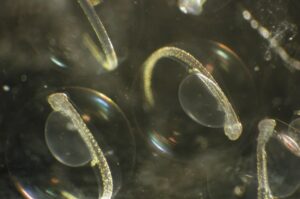
The elegant-looking fish measures 16 centimetres long, has a short snout, five spines forming an elevated crown on top of its head, and more spines running along its body and tail. Its range likely extends across the Indian Ocean, from Mozambique to the Red Sea to India.
The study describing Hippocampus amandavincentae was published in the leading taxonomy journal Zootaxa.

In other news

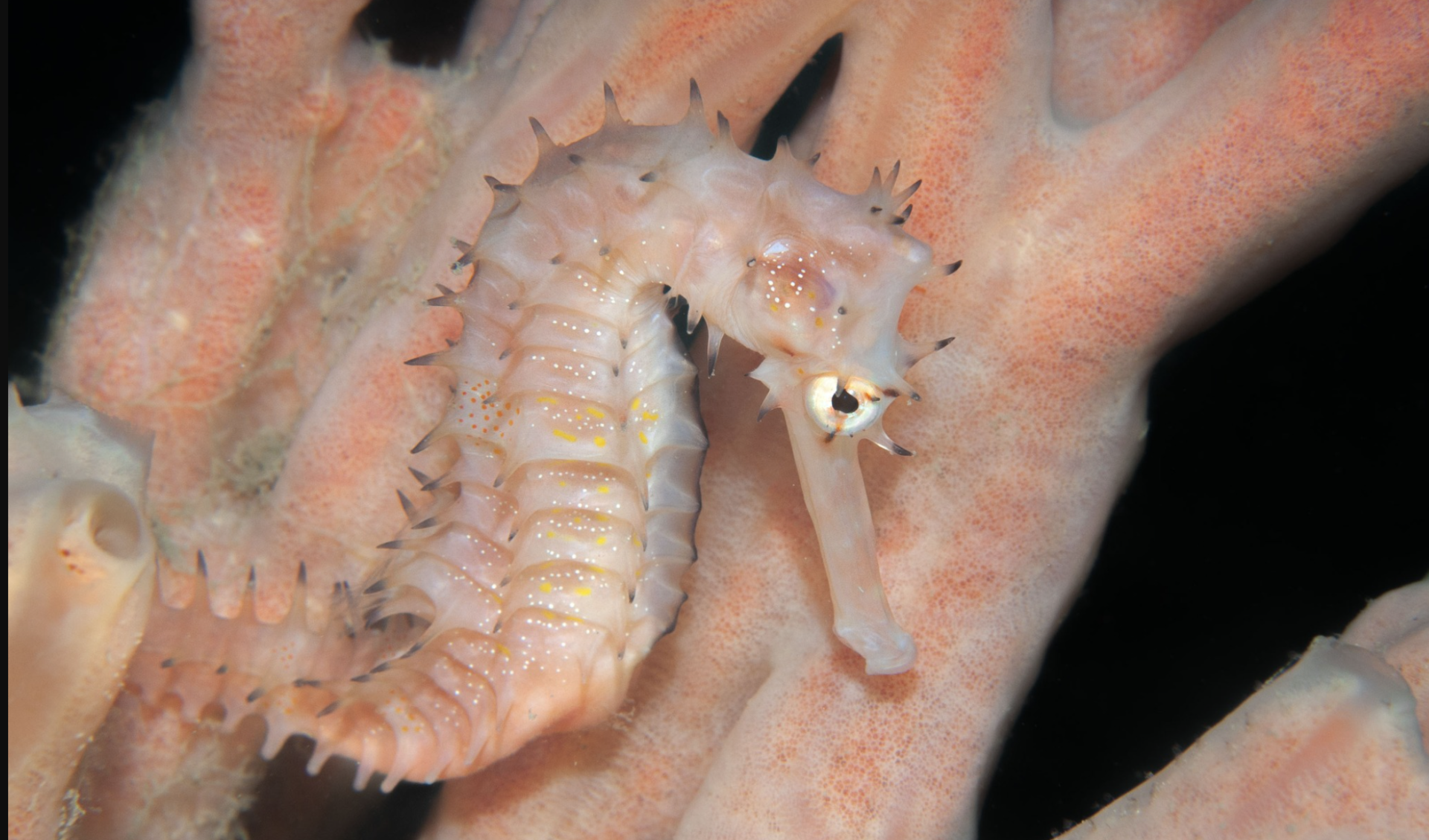
“We’ve named this seahorse, Hippocampus amandavincentae, for Amanda Vincent, whose work established seahorse conservation as a field,” says co-author Graham Short, focal point for taxonomy and evolution in the global expert group for conservation of seahorses and their relatives.
Dr. Vincent was the first biologist to study seahorses underwater, the first to document the extensive trade in these fishes, and the first to initiate a seahorse conservation project putting seahorses on the global conservation agenda. In 2021, she became the first marine biologist to receive the Indianapolis Prize, the world’s leading animal conservation award.
“The timing is especially meaningful as it coincides with celebrating 30 years of Project Seahorse achievements. I’m deeply grateful to my friends and colleagues for this kindness,” she added.
By looking closely at their snouts and spines, studying their DNA, and revisiting specimens preserved in museums, the researchers were able to resolve this supposed species into three distinct species: Hippocampus amandavincentae, Hippocampus histrix, and Hippocampus jayakari.
“Many museum specimens and online biodiversity records of spiny seahorses in the Indian Ocean have been assigned to Hippocampus histrix for decades. Our findings now reveal that these records actually represent multiple species, with practical consequences for global conservation decision-making and policy implementation,” said senior author Dr. Rajeev Raghavan, assistant professor at Kerala University of Fisheries and Ocean Studies.
Seahorses are globally recognized flagship species threatened by unsustainable fishing, exploitation for traditional medicine and the aquarium trade, and habitat loss. All seahorse species are listed under the Convention on International Trade in Endangered Species of Wild Fauna and Flora Appendix II, meaning their international trade is regulated to ensure it does not threaten their survival.
“Knowing that Hippocampus amandavincentae exists as a separate species, recognising what makes it unique and understanding where it lives is obviously critical for its conservation. Our team at Project Seahorse will do everything we can to support healthy populations of this and other seahorses,” said Dr. Vincent.


"*" indicates required fields
Printed editions
Current issue
Back issues
Enjoy so much more from Oceanographic Magazine by becoming a subscriber.
A range of subscription options are available.
