Alaska's grey wolves are developing a taste for sea otters
Grey wolves on Alaska’s Prince of Wales Island are hunting sea otters, revealing unexpected links between land and ocean ecosystems. Researchers are using teeth analysis and camera traps to study this rare marine hunting behaviour and its ecological consequences.
On the rugged shores of Prince of Wales Island in southeast Alaska, a terrestrial predator is revealing a penchant for a marine menu. Grey wolves have been observed hunting sea otters, an indication of an unusual dietary shift that could ripple across coastal ecosystems and reshape our understanding of how land and ocean systems intersect.
Despite more than two decades of reports documenting wolves consuming aquatic prey, scientists still know remarkably little about how these animals hunt in marine environments or what the consequences may be for both predator and prey. Filling that gap is Patrick Bailey, a Ph.D. candidate at the University of Rhode Island, whose research focuses on the rarely studied behaviours of coastal grey wolves.
By combining traditional ecological tools with creative field methods – including museum specimens, stable-isotope analysis, and a growing network of trail cameras – Bailey is investigating how wolves along Alaska’s coast rely on marine food sources, how those resources influence their hunting strategies, and how these populations differ from their inland counterparts.
Grey wolves are widely recognised for their outsized influence on terrestrial ecosystems, regulating prey populations and shaping landscapes. Bailey suspects their impact may extend across the shoreline boundary as well.
“We don’t have a clear understanding of the connections between water and land food webs, but we suspect that they are much more prevalent than previously understood,” said Bailey, who works in Sarah Kienle’s CEAL Lab in the Department of Natural Resources Science. “Since wolves can alter land ecosystems so dramatically, it is possible that we will see similar patterns in aquatic habitats.”
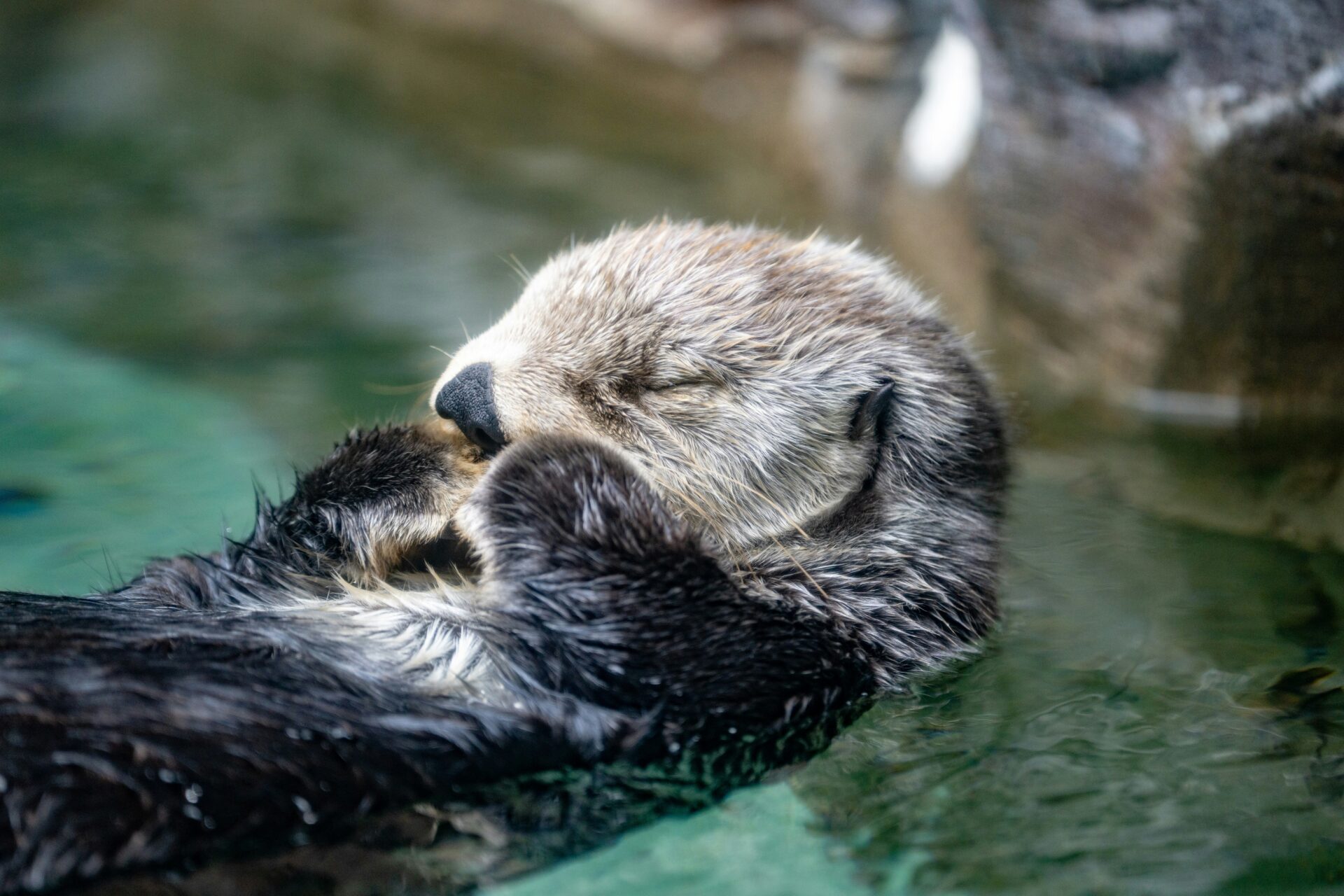
If wolves are exerting pressure on marine species such as sea otters, the implications could be significant. Otters are well known as keystone predators in nearshore ecosystems, where their presence – or absence – can restructure entire kelp forest communities.

In other news
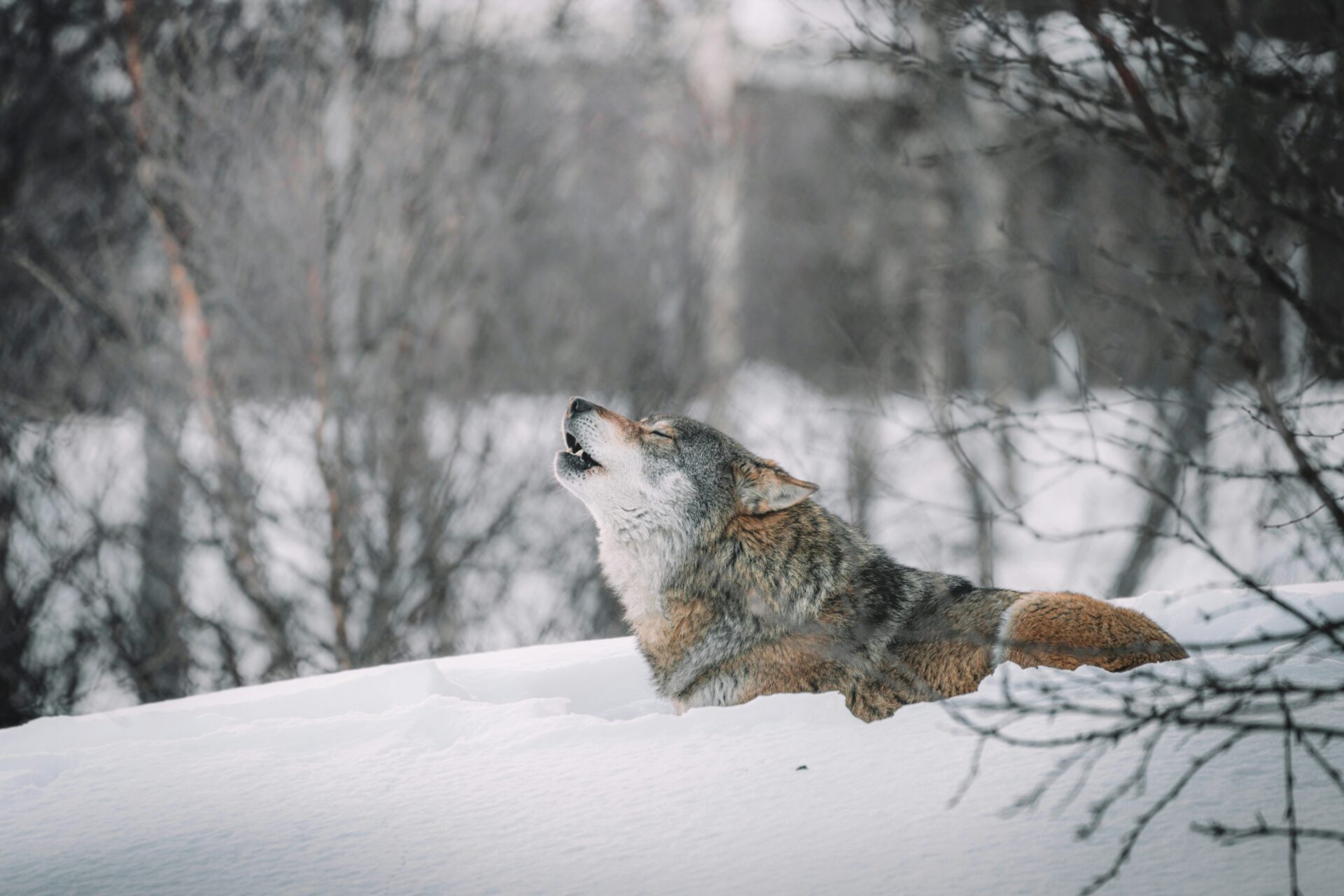
Sea otters, now classified as an endangered species, once thrived along the Pacific Coast before the fur trade devastated their populations. As otters slowly recover, wolves may be re-establishing an ancient predator-prey relationship, raising new questions about how this interaction affects both species.
To explore these dynamics, Bailey is turning to an unconventional archive: wolf teeth. Using specimens from museum collections and recently deceased animals, he applies stable-isotope techniques to reconstruct dietary histories. Like tree rings, teeth grow in layers that preserve a chemical record of what an animal consumed over time.
“If large enough, we can individually sample each of these growth rings to track an individual’s feeding patterns over time,” he said. “When we gather enough samples across individuals we can then analyse how prevalent these dietary trends are throughout a population.
“What hasn’t been explored, and what I am really interested in documenting, is how exactly wolves are able to capture sea otters,” Bailey says.
Advances in field technology may finally shed light on those elusive moments. Earlier footage of wolf hunts lacked the resolution needed for detailed behavioural analysis, but a new generation of trail cameras – installed by Bailey during the summer field season – offers a clearer view.
“So far, we know that these wolves are consuming sea otters,” he says, “and we’re now staged to capture the details that have previously eluded us.”
Prince of Wales Island was selected as the primary field site through collaboration with Alaska Department of Fish and Game biologist Gretchen Roffler and local research technician Michael Kampnich.
Kampnich’s local knowledge has been especially valuable to the project. “Kampnich has been an unbelievable resource for getting us acquainted with the island and its unique ecology,” said Bailey. “Working with locals is so important because they have decades of experience and perspective that we as outside researchers simply do not have.”
Roffler’s own recent research has introduced another layer of complexity to the story. Sea otters are known to accumulate methylmercury – a toxic compound that can concentrate as it moves up the food chain. Wolves feeding on otters may therefore face heightened exposure.
Liver samples from coastal grey wolves reveal mercury concentrations up to 278 times higher than those found in inland populations – levels that could carry serious long-term consequences. “Methylmercury accumulation can cause a suite of problems related to reproduction, body condition, and behavioural abnormalities,” Bailey explained.
While Prince of Wales Island remains the focal point of the project, Bailey sees broader applications for his work. Resource constraints have kept the current study geographically focused, but future research may extend to the eastern seaboard.
“I’m including historical east coast wolves in a separate chapter of my dissertation comparing skull morphology between coastal and inland populations,” he said. That work draws on specimens from Canada, including Newfoundland and Labrador, housed at the Harvard Museum of Comparative Zoology.


"*" indicates required fields
Printed editions
Current issue
Back issues


Enjoy so much more from Oceanographic Magazine by becoming a subscriber.
A range of subscription options are available.
