The deep ocean is changing our climate far faster than we realised
A new study finds that tiny deep-ocean turbulence drives sea level rise, fisheries collapse and carbon absorption within a human lifetime - but current climate models fail to capture its speed or scale.
Deep below the ocean’s surface, turbulent swirls of water – invisible to the naked eye and no bigger than a coin – are driving some of the most consequential forces in our climate system; and they are doing so far faster than science previously understood.
A new study, published in the journal Nature Communications and involving scientists from UC San Diego’s Scripps Institution of Oceanography and the University of Cambridge, has found that deep ocean turbulence – the process by which heat, nutrients and carbon are distributed between the ocean’s surface and the seafloor – affects human life not on the timescale of thousands of years, as was previously thought, but within the span of a single human lifetime.
The climate models used to predict these effects and inform policy, the researchers found, do not adequately capture this turbulence or the speed at which it operates.
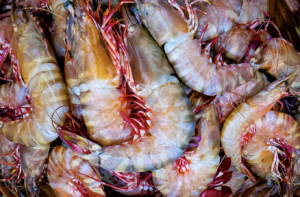
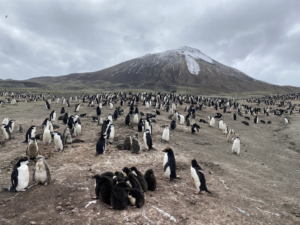
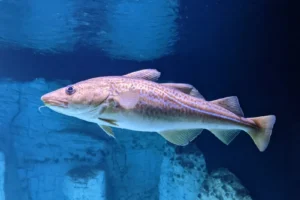
The implications are wide-ranging. If deep-ocean turbulence is not pulling nutrients to the surface at the rate models assume, marine food chains could break down and fisheries could collapse. The way heat moves between deep and shallow waters affects how Arctic and Antarctic ice melts – and therefore how fast sea levels rise, how intense storms become, and how severe flooding events are. How much carbon dioxide the ocean absorbs from the atmosphere – one of the primary mechanisms keeping climate change in check – is also shaped by the behaviour of these microscopic underwater movements.
“The community is increasingly recognising the role of ocean mixing and turbulence on many scales,” said Matthew Alford, a physical oceanographer at Scripps and co-author of the study.
To test the accuracy of current climate models, the researchers used chlorofluorocarbon – CFC – concentrations as a tracer. CFCs were released into the atmosphere in large quantities before being banned under the Montreal Protocol in the 1980s due to the damage they caused to the ozone layer. By measuring how far and how fast CFCs have travelled through the deep ocean over the past six decades, the team was able to track the movement of deep water masses with unusual precision.

In other news


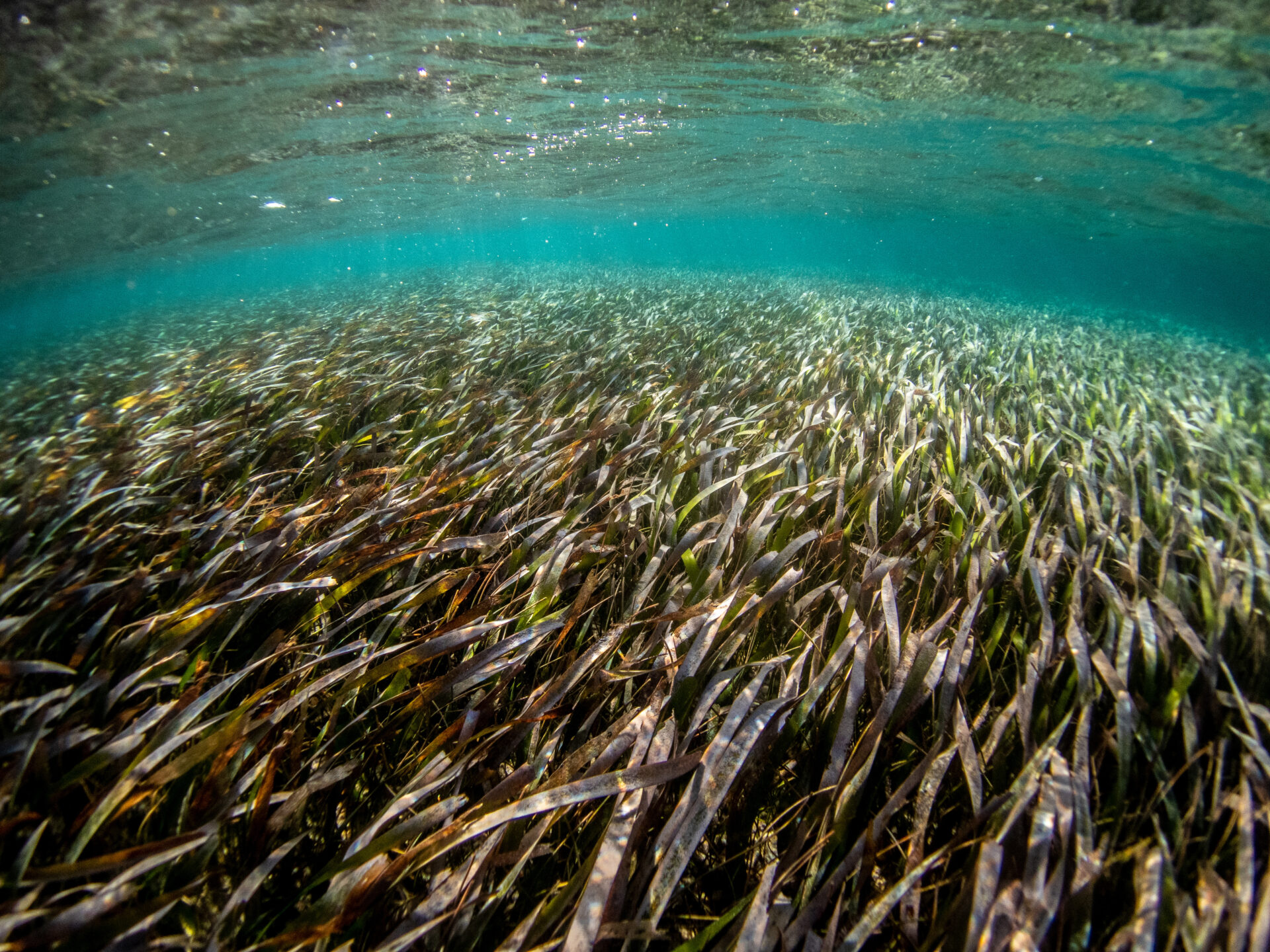
The findings were striking: some deep waters have carried CFCs all the way from Antarctica to the mid-Pacific and north Indian Ocean in just 40 years. Those same waters carry carbon, oxygen and heat – and as they travel and mix with surrounding waters, turbulence determines how much of each remains trapped at depth and for how long.
“We’re learning that the deep ocean can exchange carbon, nutrients, heat and pollutants with the atmosphere on timescales relevant to our own lives,” said co-author Ali Mashayek of the University of Cambridge.
Alford said the study demonstrated what becomes possible when different scientific disciplines work in close collaboration. “Some of the shorter timescales of the interactions demonstrated in this paper are initially surprising but are expected since the equations of motion are so nonlinear. This paper demonstrates the power of theorists, modellers and observers working together closely to identify and better understand the most important of these feedbacks.”
The research arrives at a moment of significant concern for the future of ocean monitoring. In May, the US National Science Foundation announced plans to dismantle the Ocean Observatories Initiative – a $368 million observation network providing vital oceanographic data worldwide – before partially reversing the decision following significant backlash.
Understanding small-scale turbulence in the deep ocean is, the authors argue, essential to producing the climate projections that governments and communities will need to navigate the decades ahead as well as for building models capable of capturing not just the broad strokes of ocean circulation, but the smallest movements that are driving some of its most consequential effects.


"*" indicates required fields
Printed editions
Current issue
Back issues




Enjoy so much more from Oceanographic Magazine by becoming a subscriber.
A range of subscription options are available.
