A great salmon swap? Appetite for local fish could cut carbon and boost economy
A new study from the University of East Anglia suggests that Britons are ready to swap imported fish, such as salmon, for locally-caught species - including anchovies and sardines - in a move that could reduce carbon footprint and boost coastal economies across the UK.
Millions of Britons could be ready to swap imported fish for more sustainable, locally-sourced alternatives, according to a new study from the University of East Anglia.
Supermarket fish sales are heavily concentrated around the so-called “big five” – cod, haddock, salmon, tuna and prawns. However, the report reveals that over 40 per cent of UK consumers are willing to experiment with species found off the British coast, like sprat, sardine or flatfish.
The study was led by researchers at UEA’s Centre for Social and Economic Research on the Global Environment. They combined two focus groups, a national consumer survey, supermarket sales analysis and UK Living Costs and Food Survey datasets to understand buying behaviour and attitudes towards trying new fish.
According to researchers, findings here suggest the UK is overlooking a major opportunity to improve national health and bolster local economies by embracing its own rich stocks of small, nutritious fish.
Despite an abundance of fish species in British waters, more than 80 per cent of the seafood eaten in the UK is imported. Much of the fish caught in local seas, like Cornish sardines and anchovies is exported.
The study’s lead researcher Dr Silvia Ferrini said: “This imbalance drives up carbon emissions, leaves the UK vulnerable to global supply chains, and pushes shoppers towards the same narrow selection of cod, haddock, salmon, tuna and prawns.”

In other news

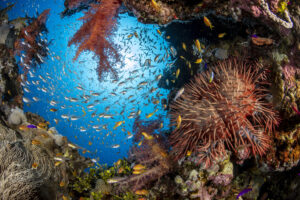




Sardines and anchovies were once staples of traditional coastal diet, but the study found that 28 per cent of Brits had never tried anchovies, 23 per cent have never tried herring and 12 per cent have never tried sardines.
The team of researchers believe that now is the perfect time for Britain to rediscover its local seafood.
Dr Bryce Stewart, Senior Research Fellow at the Marine Biological Association and scientific reviewer of the report, said: “The UK’s current reliance on a small range of seafood types, mostly imported, risks food security and disconnects the public from its rich maritime heritage.”
“This new research provides hope and guidance for how that might be changed, resulting in a combination of environmental, nutritional, economic and cultural gains,” he adds.
To shift consumer behaviour, the authors of the report recommend a mix of strategies, ranging from price incentives such as supermarket promotions or VAT reductions to greater visibility of small fish in shops.
They argue that if retailers increase shelf space, highlight local origins and offer simple recipe ideas, many customers will be more likely to give species like sardines and anchovies a try.
Dr Ferrini said: “The UK could strengthen food security, cut carbon emissions, support coastal communities and help restore balance in marine ecosystems, all while giving families access to healthy, affordable and delicious home‑caught fish.”
“The message is clear. Sardines and anchovies aren’t just good for you, they could help secure the future of Britain’s seafood,” she added.


"*" indicates required fields
Printed editions
Current issue
Back issues
Enjoy so much more from Oceanographic Magazine by becoming a subscriber.
A range of subscription options are available.
