Decoy plastic puffins placed on islet to lure real birds back home
Following a successful rat eradication project, the Manx Wildlife Trust is using decoys and solar-powered audio calls to convince the social seabirds that the Calf of Man is safe again
Puffins once bred in great numbers on a small British islet located off the Isle of Man in the Irish Sea, but that all changed in the 1790s when a shipwreck introduced brown long-tailed rats to the island which decimated the population.
The word ‘rat’ on the Isle of Man is considered bad luck, local fishermen avoided directly naming them for fear of angering the spirits and bringing on dangerous storms.
And for the puffin population on the Calf of Man – a 616-acre islet located on the southwest coast of the Isle of Man – rats on the island certainly brought misfortune. While the puffin population had managed to briefly recover in the 20th century, peaking at 60 pairs in 1979 , another shipwreck in the 1980s reintroduced the animals, wiping out the entire colony by 1987.
Puffins are by nature highly social, monogamous and loyal to sites where they see other puffins thriving: they won’t nest alone.
So, when the brown rats were eradicated in 2012 and 2013, the Manx Wildlife Trust leveraged these birds’ sociable nature in an attempt to re-establish a successful breeding colony on the island.
In order to attract puffins to the island, they created 100, lifelike weather resistant decoy puffins and anchored them to the cliffs. To make the illusion as convincing as possible, the team also installed solar powered speakers to blast continuous puffin calls out to sea to catch the attention of passing juveniles.
Dr Lara Howe, the Marine Officer at the Manx Wildlife Trust and leads the Puffin Decoy Project on the Calf of Man said: “The reason we have the decoys is because puffins like to be in colonies and therefore we need to have some form of fake colony to make them feel safe and comfortable.”
In 2021, the team began to see signs that their novel strategy was working. A photograph captured a real puffin cozying up to a fake one; it was even gathering nesting material.

In other news
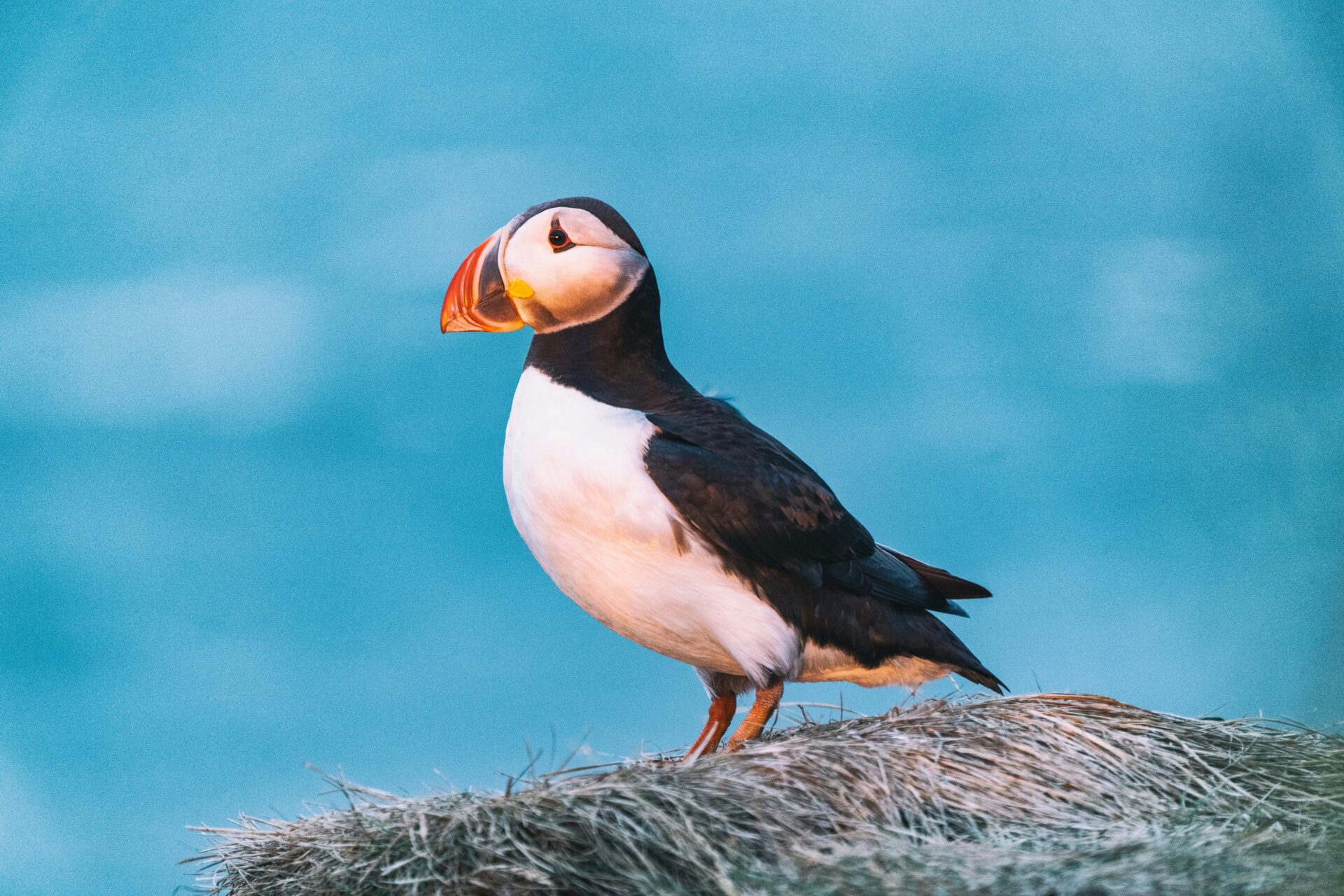
The team took this as a major win, and ever since the number of real puffins rafting on the water and landing on the Calf’s cliffs has steadily grown.
The ultimate goal though is to spot a fully fledged puffling, which would confirm the site has been successfully established as a breeding site.
Although the project can’t be considered successful just yet, Dr Howe told us that there has been promising progress on the island.
“We did see huge numbers [of puffins], well huge for us, around the Calfs last year, so we are very hopeful that breeding will be successful this year,” she said.
The project is hoping to act as an example of how creative behavioural engineering can give endangered seabirds a fighting chance against broader global threats like climate change and overfishing.
It follows a sister success story on the islet: after the rats were eradicated, the population of local Manx shearwaters successfully rebounded, with numbers now soaring to over 1,000 breeding pairs.
On the other side of the globe, rat eradication has similarly paid off. One year on from the removal of invasive rats from Wake Atoll in the North Pacific Ocean, sixteen native seabird populations made a remarkable recovery.
Reflecting on the broader signficance of the project, Dr Howe said: “This project is really important because puffin numbers are declining significantly all across the British Isles and further afield.”
“We used to have breeding puffins here and they’ve been lost so the project will hopefully bring them back. It’s a really vital important part of puffin conservation,” she added.


"*" indicates required fields
Printed editions
Current issue
Back issues


Enjoy so much more from Oceanographic Magazine by becoming a subscriber.
A range of subscription options are available.