Cape Verde seamounts recognised as 'biodiversity hotspots'
Seamounts - underwater mountains of volcanic origin - are often described as oases in the deep ocean. In Cape Verde, at least 14 major seamounts and numerous smaller elevations play a key role in concentrating nutrients and shaping local ocean currents.

An international research team has unveiled the first comprehensive assessment of the seamounts surrounding the Cape Verde archipelago, revealing their ecological richness, biological importance, and socio-economic significance. The study provides the first critical foundation for understanding these vastly under-explored deep-sea ecosystems.
Seamounts – these underwater mountains of volcanic origin – are often described as oases in the deep ocean. In Cape Verde, at least 14 major seamounts and numerous smaller elevations play a key role in concentrating nutrients and shaping local ocean currents.
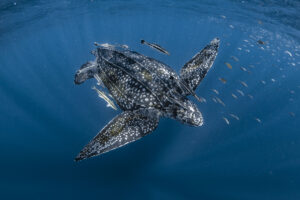
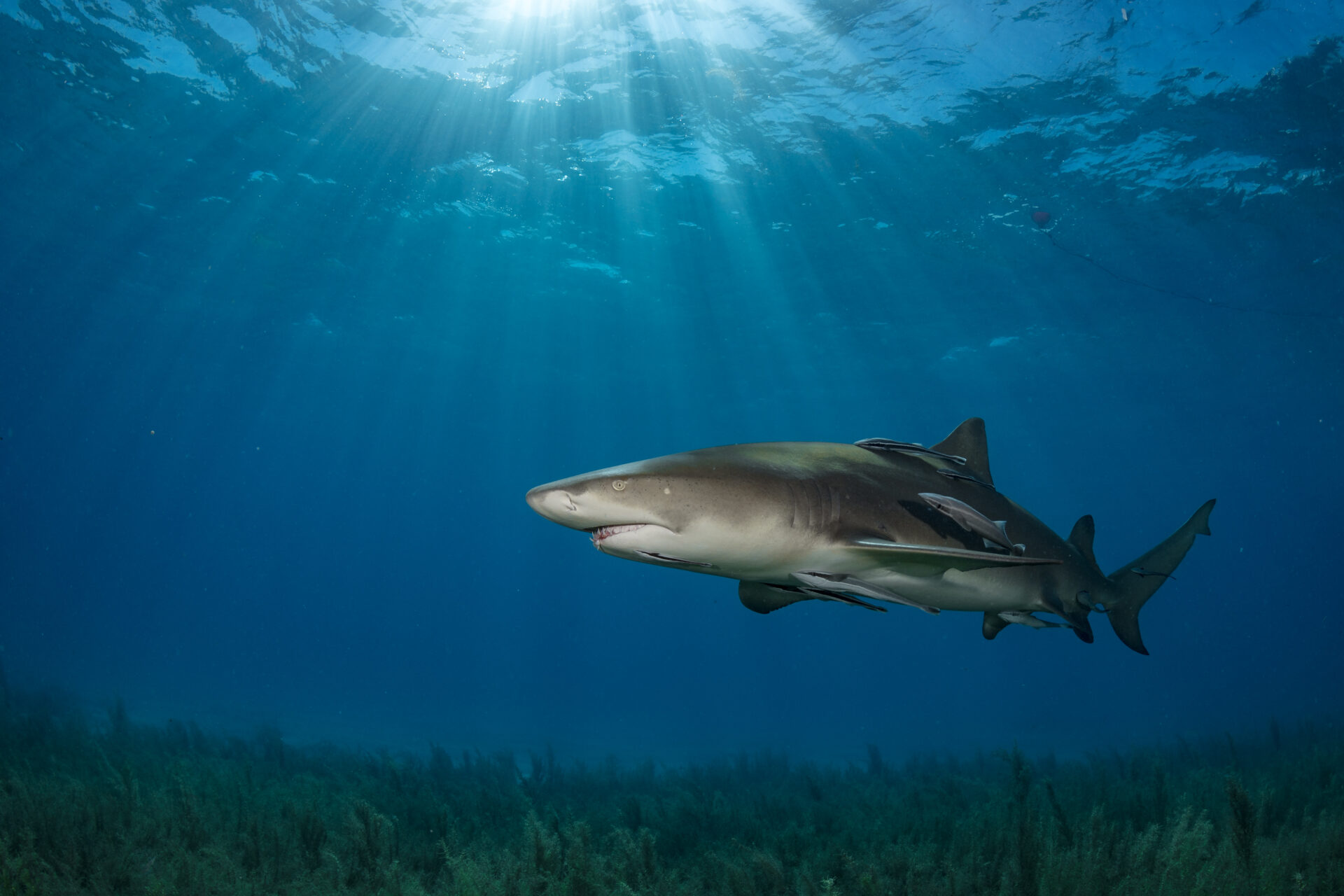
These conditions support diverse communities, from microbes to deep-sea corals and sponges, and attract higher predators such as sharks, turtles, seabirds, and cetaceans. Situated between temperate North Atlantic and tropical South Atlantic waters, these formations further enhance regional productivity and ecological connectivity.
The research project – the results of which have now been published in Progress in Oceanography – was led by Covadonga Orejas of the Gijón Oceanographic Center in Spain, Veerle Huvenne of the UK National Oceanography Center, and Jacob González-Solís of the University of Barcelona’s Faculty of Biology and Biodiversity Research Institute.
“The seamounts of Cape Verde are essential refuges for many species,” says Covadonga Orejas. “This study highlights the value of a multidisciplinary approach to understanding the links between geology, oceanography, biology, and socio-economic factors.”
Veerle Huvenne adds, “Understanding how seamounts function is critical for their protection and for ensuring sustainable use of their marine resources.”
The study also underscores the societal relevance of these ecosystems, emphasising the role of seamount research in guiding marine spatial management and advancing conservation efforts beyond coastal waters.
In other news
Cape Verde currently concentrates its marine protected areas in coastal zones. The study suggests that integrating offshore seamounts into conservation planning could foster a more holistic approach, bridging ecological and socio-economic considerations.
“These deep ecosystems act as key biodiversity areas and provide essential guidance for public policy and marine spatial planning,” notes Dinis. “Their inclusion in national strategies could expand conservation beyond the coast to the high seas surrounding the archipelago.”
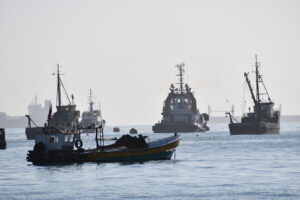
The research examines not only biodiversity but also human uses such as artisanal and industrial fishing, shipping, and the potential for deep-sea mining.
Jacob González-Solís, senior author and UB professor, said: “As a State Party to the 30×30 biodiversity commitment and the High Seas Treaty, Cape Verde has an opportunity to designate these seamounts as priority conservation areas, reinforcing regional leadership and supporting global biodiversity goals.”
Previous studies suggest that many Cape Verde seamounts meet international criteria as vulnerable marine ecosystems (VMEs) and ecologically or biologically significant areas (EBSAs), underscoring their critical role in sustaining ocean productivity and biodiversity.
By illuminating these hidden ecological treasures, the study provides a timely call to integrate seamounts into marine spatial planning and conservation frameworks, ensuring that these deep-sea oases remain vital for both marine life and human communities.


"*" indicates required fields
Printed editions
Current issue
Back issues
Enjoy so much more from Oceanographic Magazine by becoming a subscriber.
A range of subscription options are available.
