Climate change is threatening all of the ocean's migratory species
Migratory species serve as critical links in the ecosystems that sustain life on Earth. From forest elephants that contribute to carbon storage in the jungles, to whales that transport nutrients across the ocean - migratory species are vital to maintaining healthy ecosystems.

Climate change is negatively impacting migratory species across the board, a new report has warned this week, altering the ranges, shrinking the habitats, and threatening the ecosystems across which all migratory species occupy throughout their lifecycles.
Confirming long-held understandings about the effects of global warming, extreme weather events, and shifting water systems; findings from a major workshop conducted by the Convention on the Conservation of Migratory Species of Wild Animals has concluded that all migratory species are now at risk.
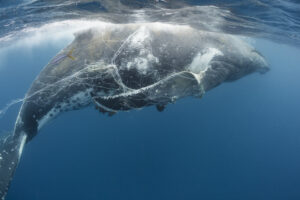
Unsurprisingly, whales are at risk again with climate change found to be altering whale migrations, shrinking their prey, and negatively impacting upon reproduction rates. The report highlights that among them, it is the North Atlantic right whale that is ‘especially vulnerable’, a species now being forced to make migratory detours into dangerous pockets of the ocean – all driven by warming seas.
Migratory species serve as critical links in the ecosystems that sustain life on Earth. From forest elephants that contribute to carbon storage capacity in the jungles, to whales that transport essential nutrients across ocean basins – migratory species are vital in maintaining healthy ecosystems that are resilient and contribute to climate change mitigation.
However, because such species rely on habitats that span continents and seasons, environmental changes in one region can trigger cascading effects thousands of miles away, under-scoring the global nature of conservation challenges.
Seagrass meadows, for example, store nearly 20% of the world’s oceanic carbon, supporting coastal resilience and sustaining fisheries and endangered and vulnerable species like dugongs and sea turtles. They are, however, being severely impacted by marine heatwaves, cyclones, and sea-level rise. Similar marine heatwaves are being felt in the Mediterranean, where fin whale habitats risk being cut by 70% by mid-century, shrinking dolphin ranges amid further crises they face such as food loss and pollution stress.
In other news

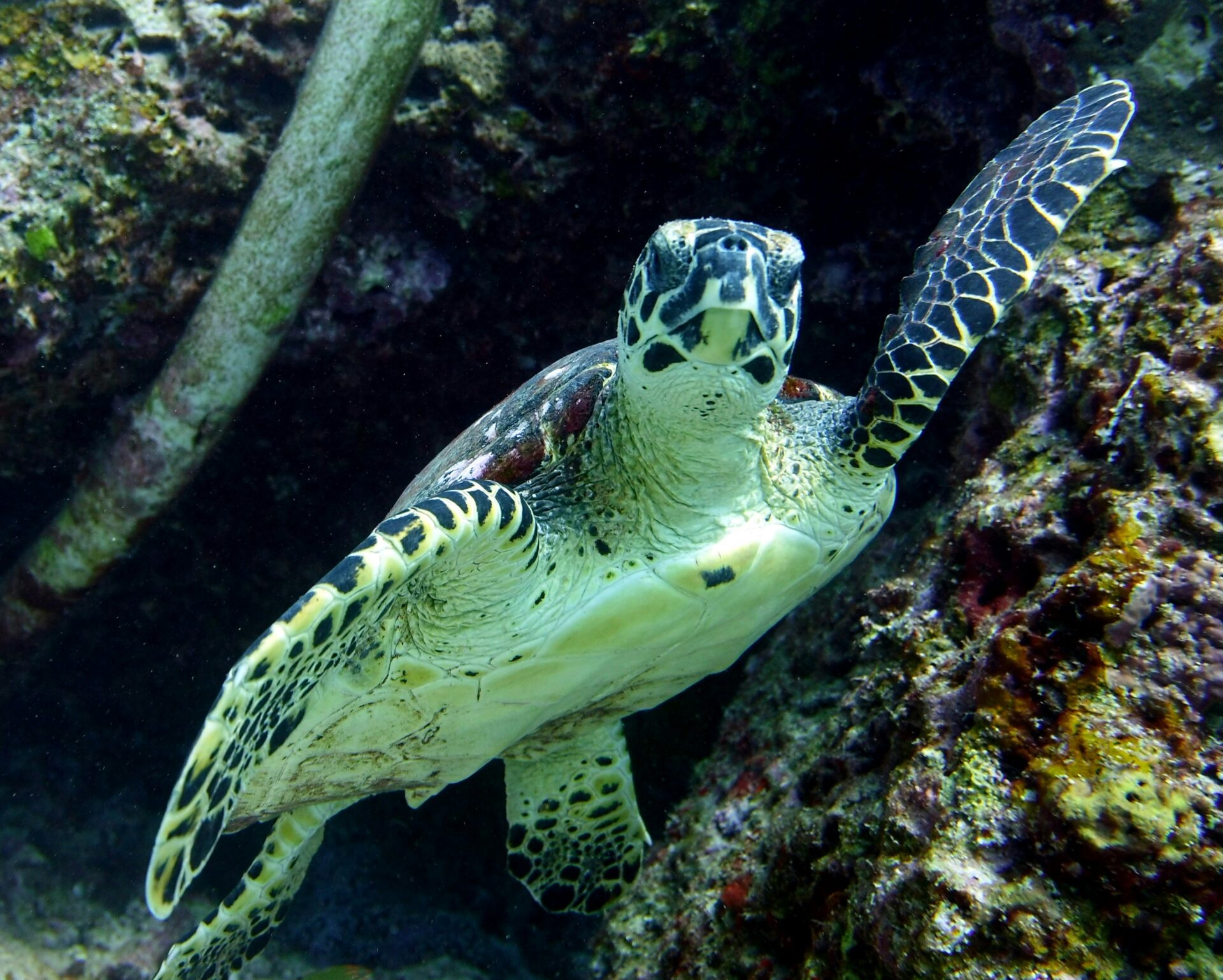
“Migratory animals are the planet’s early-warning system and they are in trouble,” said Amy Fraenkel, executive secretary at the Convention on the Conservation of Migratory Species of Wild Animals. “From monarch butterflies vanishing from our gardens to whales veering off course in warming seas, these travellers are sending us a clear signal. Climate change is having impacts now, and without urgent action, the survival of such species is in jeopardy.”
Participants in the workshop have called for urgent climate strategies that prioritise ecosystem health and are supported by conservation investments that will help to curb climate change. It’s well understood that safeguarding migratory species will demand unprecedented international cooperation and financial investment.
“The world’s migratory species face increasingly formidable challenges from habitat deterioration and over-exploitation. Climate change compounds these problems, with greater extremes in weather affecting habitats and food resources, ecosystem services such as carbon capture, and the ranges migratory species occupy,” said Dr Des Thompson, the Convention on the Conservation of Migratory Species of Wild Animals’ COP-appointed scientific councillor for climate change.
“Our workshop enhanced our understanding of measures to manage migration routes and range shifts, and what needs to be done to lift ‘barriers’ to migration. Case studies are pointing to key actions to help species adapt to climate change.
“We need to share examples of successful work and practices, and this is especially important where we can work with Indigenous Peoples and traditional knowledge holders to devise community-based solutions,” he added.


"*" indicates required fields
Printed editions
Current issue
Back issues


Enjoy so much more from Oceanographic Magazine by becoming a subscriber.
A range of subscription options are available.
