Filled with hope: Sussex coastlines are on a recovery journey
Four years on from the introduction of the Sussex IFCA Nearshore Trawling Bylaw, University researchers, local authorities, NGOs, and fishing communities continue to work together to monitor its impacts on the coastal environment.

With public awareness around the impact of bottom trawl fishing on the marine ecosystems of domestic waters now at an all-time high, scientists have emphasised the critical need to fund ongoing projects that monitor the effects of trawling management along the Sussex coastline.
Four years on from the introduction of the Sussex IFCA Nearshore Trawling Bylaw that, in 2021, effectively banned bottom trawl fishing from around 300-square-kilometres of Sussex coastline to recover essential habitats, University researchers, local authorities, NGOs, and fishing communities continue to work together to monitor its impacts on the coastal environment.
The hope is, of course, to witness a ‘rewilding’ of sorts; a return to abundance of fish stocks and populations of a rich biodiversity that Sussex was once renowned for. This accompanies the desire to see Sussex’s kelp forest once again flourish and critical fish species make their notable return; the likes of seabream and mackerel alongside critically endangered species such as tope, greater-spotted catsharks, and European eel.
Anecdotally, the management of destructive fishing practices – implemented by Sussex IFCA (standing for Inshore Fisheries and Conservation Authority) and supported by local communities and fishers alike – has already given way to some positive signs of ecosystem recovery. Accounts from local divers reference a growing presence of blue mussels, rays, and even Angelsharks.
But, evidencing the importance of the protection of these coastal waters can’t rely on anecdotal evidence alone. What organisation and research institutions need to continue the monitoring needed to demonstrate the value of the bylaw, is – ultimately – funding.
Nature recovery does take place, but that’s a longer waiting game.
“We are at a really critical time for the project,” Dr Valentina Scarponi of the University of Sussex, co-lead on the university’s monitoring efforts tells Oceanographic Magazine.
“There has been a lot of public awareness around trawling since the film Ocean with David Attenborough hit our screens, but there’s much we still don’t fully understand about just how removing a destructive fishing practice like trawling can allow the ecosystem to recover. Nature is battling multiple stressors at once, including pollution, dredging and dumping, and rising temperatures.”
In other news

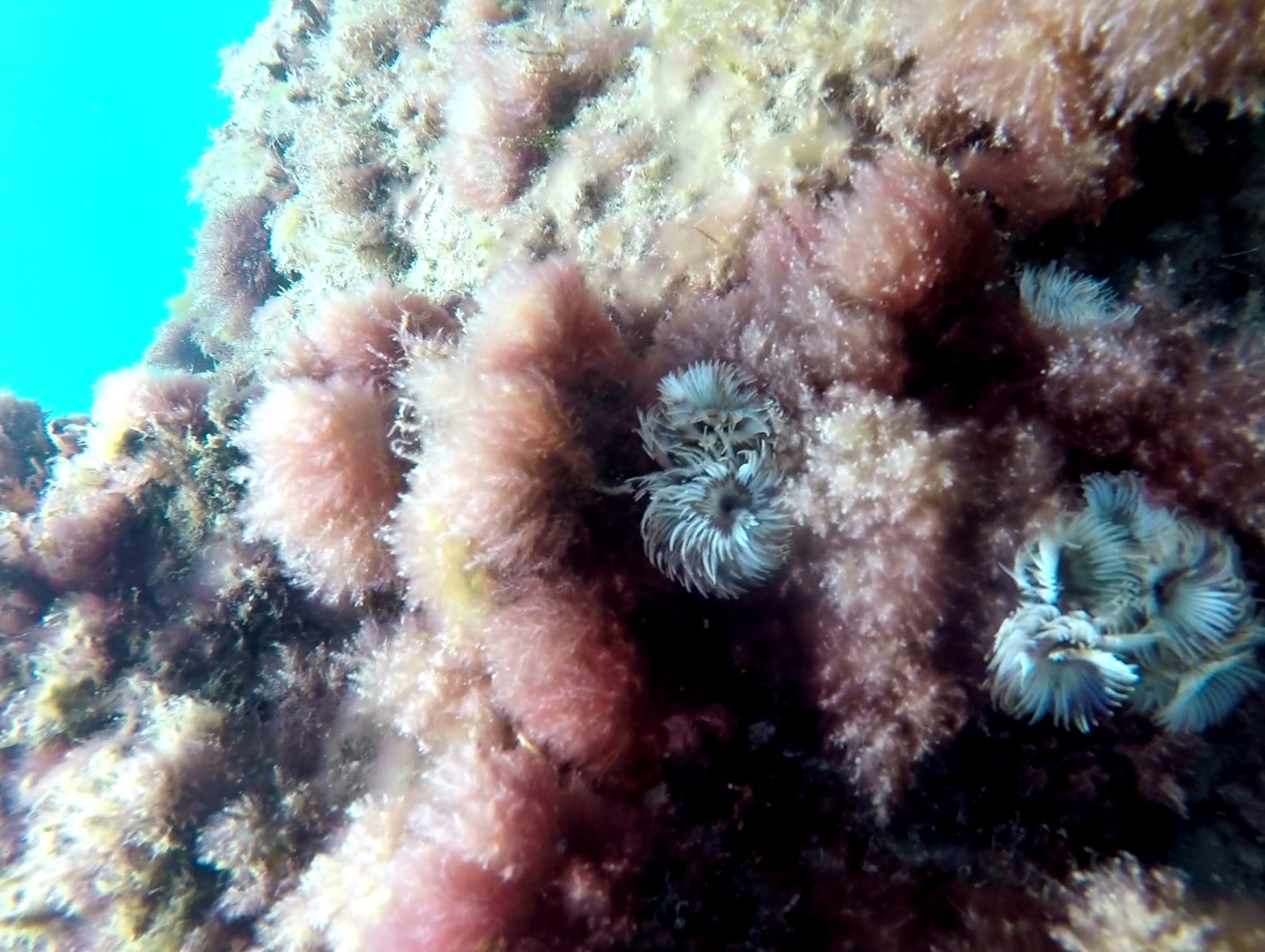
In May last year, Dr Scarponi – alongside Sussex University’s Professor Mika Peck and PhD Candidate, Alice Clark – released a study in which 81 different species of marine life were identified along the Sussex coastlines, including tope shark, tub gurnard fish, and the critically endangered European eel.
The study went lengths to illustrate how using a combination of two biomonitoring tools – Baited Remote Underwater Video (BRUV) and environmental DNA (eDNA) – can help researchers form a better understanding of the biodiversity in local waters while supporting the future of marine conservation in Sussex.
Acorss 30 survey sites, from Shoreham-by-Sea to Selsey, the team recorded 81 different marine species living in the local waters, including black seabream, Atlantic mackerel, as well as spotted rays, tope sharks, and those endangered European eels.
But, when it comes to providing hard, systematic evidence of ecosystem recovery sonce the introduction of the bylaw, “transformation will naturally take time”, perhaps – according to the Sussex researchers – “even decades.”
Yet, as the groundbreaking law enters its fifth year, Dr Sol Lucas, senior inshore fisheries and conservation officer at Sussex IFCA is optimistic that the recovery will come.
“The hope is that, with sufficient time, we will start to see those kelp forests that were once so abundant along the Sussex coastline start to reclaim this area,” he tells us. “This will provide essential habitat for juvenile fish species and shellfish species as both a nursery ground and as a critical ecosystem for them to thrive in throughout their lifecycle.”
Collecting water samples from the seabed across 30 different sites along the coastline to pack off for analysis and deploying BRUVs to capture video footage of Sussex’s marine life in action, Dr Scarponi is now eyeing an expansion of the project. Eight miles off the Shoreham coast and the Rampion windfarm is currently negotiating its own planned expansion for 2027. The team at the University of Sussex want to take the monitoring project outwards to start to measure the impact of that expansion on local ecosystem health.
While concerns have been raised over the potential negative impacts of their installations, windfarms – says Dr Scarponi – “can have a positive influence on the environment for the role they play in limiting commercial fishing activity.
“We have collected the baseline data from before the expansion; we now want to compare that to after the expansion of the windfarm. It will be critical data to obtain.”
Core to the success of the project to date has been the environmental NGO, Blue Marine Foundation which has been involved in various restoration and recovery projects along the Sussex coastlines since the introduction of the bylaw in 2021. The team has played a critical role in supporting local fishing communities and providing ongoing support to many of the research and monitoring efforts that have played out across the coastal waters routinely, ever since.
“The research we are doing now is crucial for giving us the proof towards understanding how the bylaw is impacting our local ecosystems,” Francesco Marzano, UK projects assistant at Blue Marine Foundation tells Oceanographic Magazine. ‘The slow level of recovery we have seen so far has been in line with what we expected, and that is just the nature of nature recovery.
“Now in its fifth year, we are collecting the anecdotal data and evidence of specific species and we anticipate very soon the evidence we retrieve from this area will be significant.”
The project is currently partially funded by the SoCoBo DTP, Blue Marine Foundation, Sussex Wildlife Trust (Pebble Trust), Sussex Bay, Sussex Sustainability Research Programme, and NatureMetrics.


"*" indicates required fields
Printed editions
Current issue
Back issues


Enjoy so much more from Oceanographic Magazine by becoming a subscriber.
A range of subscription options are available.
