First study of Cyprus' ocean depths reveals undocumented species
An international team from the Marine and Environmental Research (MER) Lab has carried out the first explorations of depths between 50 to 200 metres below sea level across 32 sites spanning the Akrotiri and Dhekelia regions of Cyprus.

An international team of researchers have conducted the first ever study of mesophotic regions in the Eastern Mediterranean waters of Cyprus, mapping the species, habitats and their condition across some of the most under-studied regions of the global ocean.
Through its recently established Mesophos Project, a team from the Marine and Environmental Research (MER) Lab has carried out the first explorations of depths between 50 to 200 metres below sea level across 32 sites spanning the Akrotiri and Dhekelia regions of Cyprus.
Among the more than 200 species recorded across these surveys – including corals, anemones, and other benthic organisms that create three-dimensional habitats and support rich marine life – several had never previously been reported in Cyprus before, while many of them are already listed as threatened or protected species.
Surveying these sites using a remotely operated vehicle, the researchers have been able to not only document the marine life found at these depths of the Eastern Mediterranean but the scale of the impact human activity has on these fragile ecosystems. Marine litter and ghost fishing gear continues to affect marine life even at these depths, while the researchers documented the scars left from bottom-towed fishing gear as well as a level of coral necrosis most likely linked to ocean warming.
It’s hoped that this evidence can now be used to brief local authorities and target protection and marine management where it is most needed.
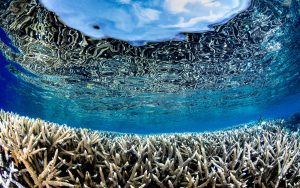
“Among the most striking findings were the corals which are among the most fragile and least known organisms in Cyprus,” said Christina Michail, a marine biologist working on the project. “These included gorgonians (Callogorgia verticillata), delicate hydroid corals (Lytocarpia myriophyllum), soft corals, and beautiful sea pens. Some of these were observed at several stations, suggesting they are widespread.”
While many of the species documented include a great number that cannot yet be identified from photography alone, the researchers insist that the presence of fragile, protected species within the region is “indisputable”.
“These corals are slow-growing, long-lived, and highly sensitive, and although they have likely been present for many years in Cyprus, this is the first time their existence has been documented,” said Michail.
In other news
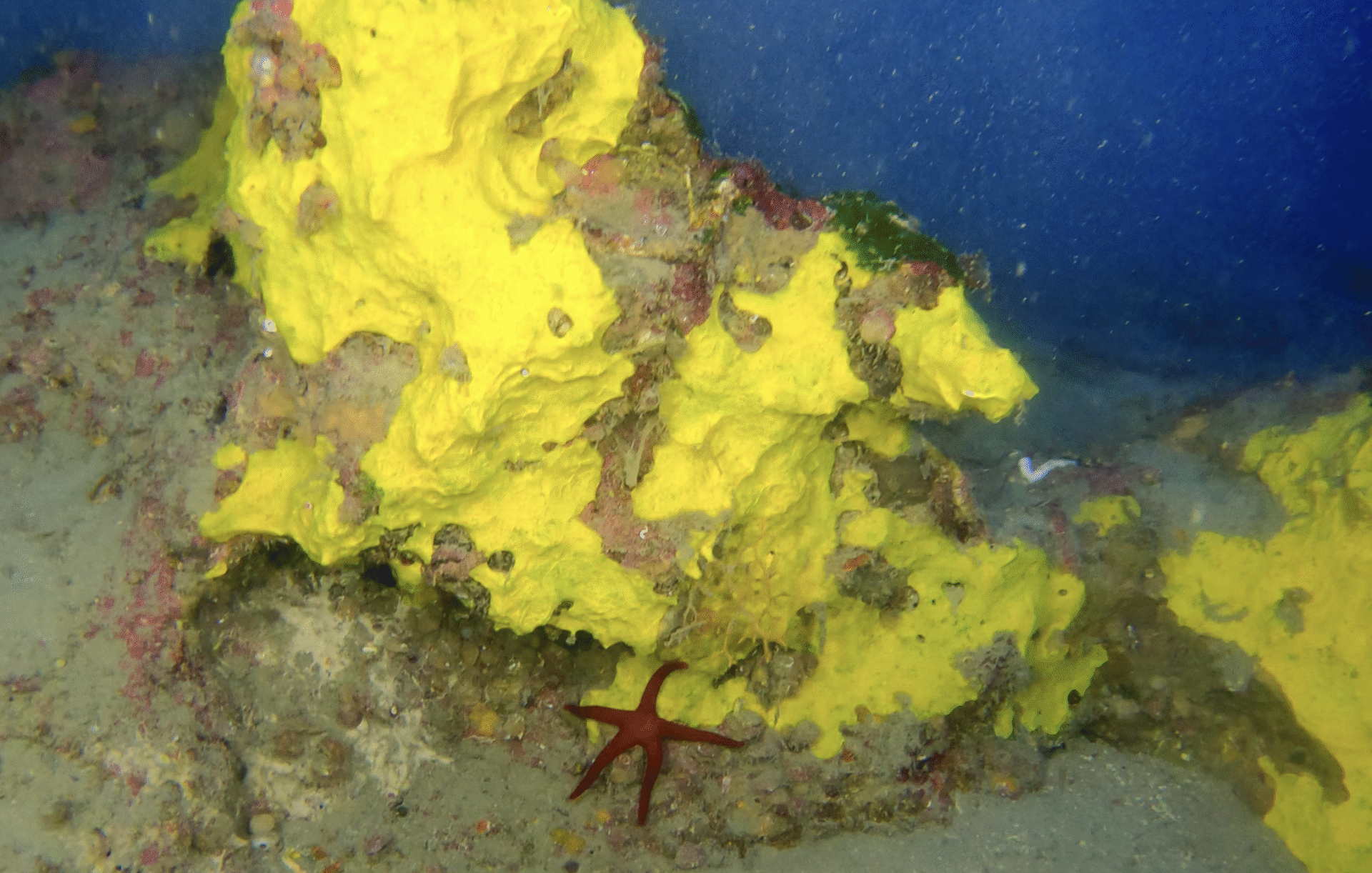
Mesophotic habitats support high biodiversity and provide feeding and nursery grounds for many species, including commercially important fish and sensitive elasmobranchs. They also act as refuges for species impacted in shallow waters while being highly susceptible themselves to destructive fishing gear and marine pollution.
“With Mesophos, we now hold the first clear picture of mesophotic habitats at Akrotiri and Dhekelia,” continued Michail. “This kind of evidence is the essential foundation: without data there can be no protection, no restoration, and no conservation.
“This work also provides the baseline for dialogue across jurisdictions. The sites we studied fall within the UK Overseas Territories (Sovereign Base Areas) where biodiversity is overseen by UK authorities, though some responsibilities are shared with the Republic of Cyprus.”
With this research, the team would now like to see “concrete actions” taken by authorities to protect the ecosystems by banning bottom-trawling in the areas with recorded protected species and habitats.
“For example, maerl beds are recognised under the EU Habitats Directive and the UK Post-2010 Biodiversity Framework as habitats of high conservation value,” said Michail. “Yet, they remain vulnerable and urgent measures are needed to protect them, along with corals and other fragile species.”
Looking ahead, the team is now seeking additional funding to continue this research with the aim to conduct a comprehensive survey of mesophotic habitats across Cyprus.
“This is not only a scientific priority but also – as our conversations have shown – something that local authorities are strongly interested in, since it can directly guide long-term conservation planning and the sustainable use of marine resources,” concluded Michail.


"*" indicates required fields
Printed editions
Current issue
Back issues

Enjoy so much more from Oceanographic Magazine by becoming a subscriber.
A range of subscription options are available.
