French Polynesia will create world's largest Marine Protected Area
At more than 5 million square kilometres and with 1.1 million of them designated as a highly or fully protected area where only traditional coastal fishing, ecotourism, and scientific exploration can take place, it is by far the largest plan for marine protection to emerge this week.

Almost five million square kilometres of ocean across the South Pacific are to be afforded the highest level of protection from destructive and extractive practices, including deep sea mining and bottom trawl fishing, with the establishment of the largest Marine Protected Area in the world.
The plan was detailed by the French Polynesian government at the United Nations Ocean Conference in Nice, France this week where it is one of a number of Marine Protected Areas to be announced.
At more than 1.9 million square miles and with 1.1 million square kilometres designated as a highly or fully protected area where only traditional coastal fishing, ecotourism, and scientific exploration can take place, it is by far the largest plan for marine protection to emerge this week.
The French Polynesian government has also pledged to add an additional 500,000 square-kilometres to the highly protected area by World Ocean Day 2026.
“We have been managing this exclusive economic zone wisely for centuries, using the techniques that were passed on from the generations before us and our ancestors,” said French Polynesia’s president, Moetai Brotherson. “But now we wanted to take a bold step to be in line with the international standards of the IUCN.”
“In French Polynesia, the ocean is much more than a territory: it is a source of life, culture, and identity. By strengthening the protection of the Tainui Atea – the existing marine managed area that encompasses all French Polynesian waters – and laying the foundations for the future marine protected areas in the Austral, Marquesas, Gambier, and Society Islands, we are asserting our ecological sovereignty while creating biodiversity sanctuaries for our people and future generations.”
For the past decade. The French Polynesian government has been working closely with local groups and communities, scientists, and international partners to support the creation of a wider marine protected area.
In other news
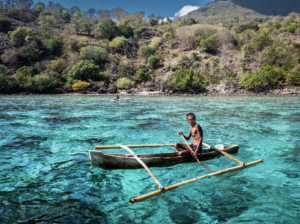
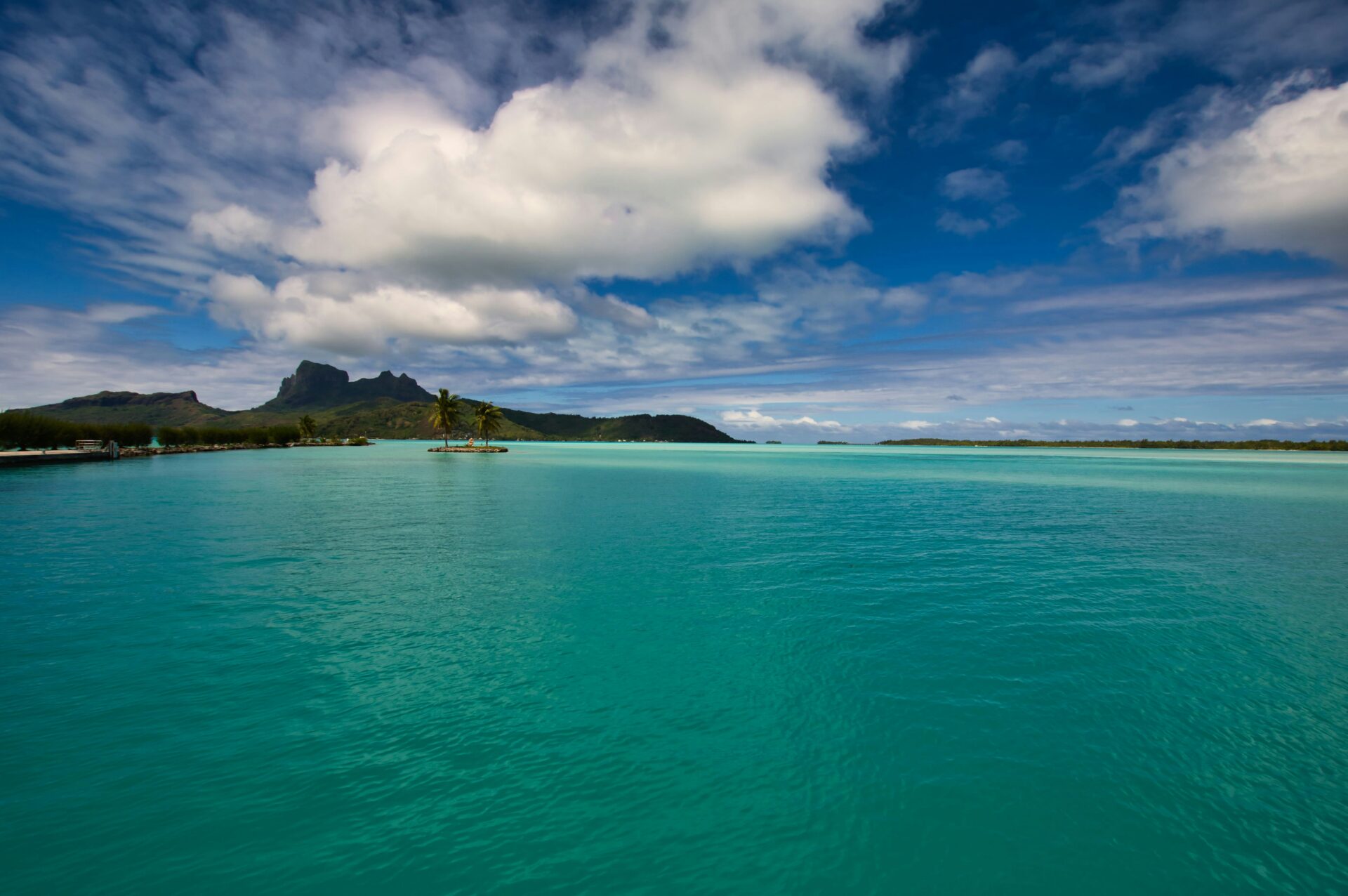
The government will create an artisanal fishing zone – collectively covering 186,000 square kilometres – that extends 15 nautical miles from the Austral, Marquesas, and Gambier islands and 30 nautical miles around the Society Islands. The artisanal fishing zones and two highly protected zones will be established as marine protected areas, spanning a combined 1,086,000 square kilometres – an area about twice the size of continental France.
Beyond announcing the MPAs, President Brotherson also committed to bolster conservation measures within the remainder of French Polynesia’s waters by including public participation in management, strengthening fisheries management plans, and banning deep-sea mining and drifting fish aggregating devices – free-floating objects that commercial fishers commonly place in the open ocean to attract fish.
Speaking from the United Nations Ocean Conference, Dona Bertarelli, a philanthropist and patron of nature for the international Union for the Conservation of Nature, said: “Improving and preserving ocean health – which is necessary for human health and sustainable livelihoods – demands urgent action.
“French Polynesia has shown its leadership and answered that call with a historic commitment by creating one of the world’s largest MPAs.”
Polling shows that more than 90% of French Polynesians back new highly protected areas. Poll respondents emphasised the need to safeguard ocean resources for current and future generations, with measures including respect for cultural values and drawing upon traditional stewardship practices such as rāhui – the practice of temporary closure of natural areas to promote regeneration.
French Polynesia’s waters are known for their marine biodiversity and healthy ecosystems, which provide refuge to 21 shark species and a reef system that supports 176 coral species and 1,024 known fish species.
“Local communities have made their ambitions clear. They want to see stronger protections that reflect both scientific guidance and their ancestral culture for future generations,” said Donatien Tanret, who leads Pew Bertarelli Ocean Legacy’s work in French Polynesia.
“These protections and commitments to future designations are a powerful example of how local leadership and traditional measures such as rāhui can address modern challenges.”


"*" indicates required fields
Printed editions
Current issue
Back issues

Enjoy so much more from Oceanographic Magazine by becoming a subscriber.
A range of subscription options are available.
