Greek island Amorgos implements five-year fishing ban
Pending final approval from the Greek government, the new rule will establish the region’s first-ever fisheries reserve, implementing full fishing bans in three key areas - Katapola, Nikouria, and Gramvousa - for a minimum of five years.

Amorgos, a Greek island in the Aegean Sea, is introducing its first-ever fisheries reserve, placing a complete ban on fishing activity following reports from local fishermen that fish stocks had dwindled by a staggering 90% over the past 20 years.
Pending final approval from the Greek government, the new rule will establish the region’s first-ever fisheries reserve, implementing full fishing bans in three key areas – Katapola, Nikouria, and Gramvousa – for a minimum of five years.
In addition to this, all fishing within 1.5 miles of the island will be suspended during the peak spawning season between April and May.
“There is no other choice. There are no fish,” said Captain Michalis Vekris, who operates a large fishing vessel out of Aigiali in an interview with the Greek local media,.ekathimerini.com
“Compared to 20 years ago, the decline is 90%.”
The effort to stem fishing activity and allow stocks to replenish – an initiative known as Amorgorama – began in 2019, when local fishers joined forces to protect their waters. The island’s entire fishing community, including all 40 members of the Amorgos Fishermen’s Association and the owner of its only trawler, have since backed the campaign.
According to Michalis Krosman, head of the association, the sharp drop became evident in around 2010. Prior to this, it was the belief simply that the “fish would never run out.”
In other news
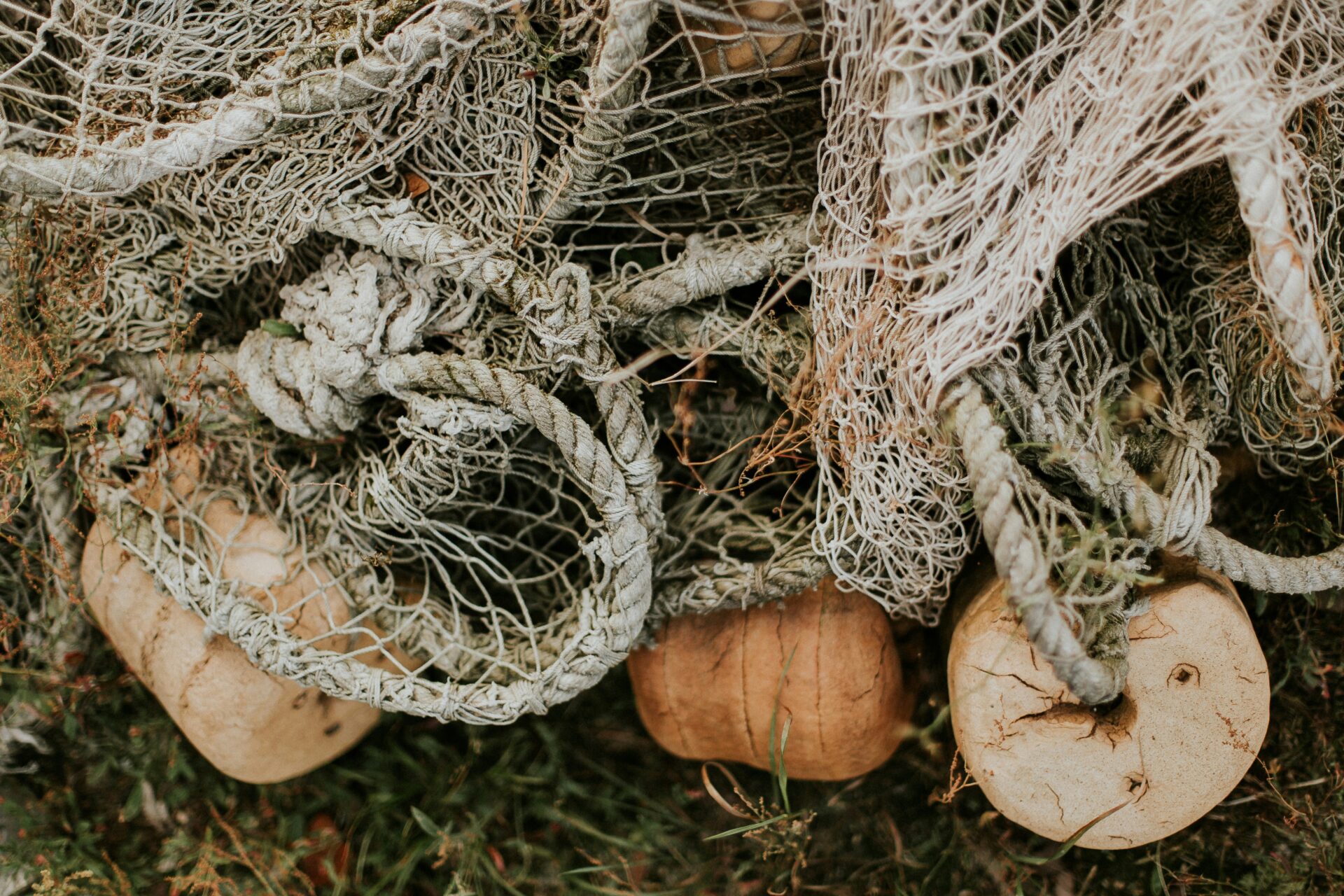
During the spring closure, fishermen will take on coastal cleanup work and begin transitioning to more sustainable fishing practices. This will include using larger nets and hooks to avoid catching juvenile fish and reduce their ecological damage.
It’s reported that the ban ‘marks a significant shift in local attitudes toward marine conservation’ and aims to ‘restore marine life for future generations.’
Amorgos is a small island of around 126-square-kilometres with just 2,000 inhabitants. It is the easternmost island of the Cyclades with two main ports: Katapola and Aegiali. Due to its mountainous landscape and the limited space for agriculture, fishing has always been a significant part of life on the island.
In the last decade, the role of the Amorgos Fishermen’s Association has pivoted to addressing growing problems such as overfishing, pollution, and the protection of its traditional fishing boats. In order to give fish stocks time for regeneration, the island’s fishermen do not want to fish during April and May – the months over which most fish species reproduce.
Since 2019, the local fishing community have turned to crowdfunding in order to resource the Amorgorama vision of sustainable fishing met with enabling fishermen to use their vessels to fish the plastic pollution from their local waters during the spawning season.
More recently, the fishers partnered with Blue Marine Foundation and Cyclades Preservation Fund to secure the support of the government through signing a memorandum of cooperation with the Ministry of Fisheries, the General Secretariat of Island Policy, the Municipality, and the Agricultural University of Athens.
In the last year, Amorgos has also become a live fisheries research laboratory, where the Agricultural University of Athens – in collaboration with the fishers themselves – has conducted a fisheries study to proceed with the local adoption of the proposed measures and designation of the three no-take zones.
Angela Lazou, Greece Projects Manager from the Blue Marine Foundation, said: “The case of Amorgos is unique in Greece. It is an innovative example of cooperation between fishers, scientists, institutions, civil society, local and national authorities, with the common goal of protecting the seas and local fishers’ livelihoods.
“The success of this initiative can play a vital role in the way we protect our seas in Greece and can become a beacon of inspiration and positivity for other fishing communities in the Aegean Sea, Greece, and throughout the Mediterranean.”


"*" indicates required fields
Printed editions
Current issue
Back issues


Enjoy so much more from Oceanographic Magazine by becoming a subscriber.
A range of subscription options are available.
