Hawai'i's corals must brace for 'unprecedented' ocean acidification
A new study, led by oceanographers at the University of Hawai’i at Mānoa has revealed that unprecedented levels of this ocean acidification are expected to impact the ocean around the main Hawaiian Islands within the next three decades.

Ocean scientists are warning Hawaiian locals and conservationists to brace themselves for “unprecedented levels of ocean acidification” around the main Islands over the next three decades, with the potential to irreversibly damage marine ecosystems including Hawai’i’s corals.
Across the globe, the ocean is acidifying at an increasing rate, absorbing carbon dioxide from the atmosphere and threatening the many marine organisms to which acidification of the ecosystem they live within will affect crucial calcification processes by which they form.
A new study, led by oceanographers at the University of Hawai’i at Mānoa has revealed that unprecedented levels of this ocean acidification are now expected to impact the ocean around the main Hawaiian Islands within the next three decades.
By weakening the shells and skeletons of organisms such as corals and clams while amplifying the effects of existing stressors on the marine environment and threatening ocean-based ecosystems, ocean acidification has been referred to by specialists as ‘a ticking time bomb’ and a crisis being faced by the ocean ‘more pervasive and destructive than plastics’.
The study carried out by the University of Hawai’i at Mānoa will help researchers, conservationists, and policymakers understand the future challenges facing Hawai’i’s coral reefs and provides information for preserving these critical ecosystems for future generations.
The predictions have been made using advanced, fine-scale computer models to project how ocean chemistry around the main Hawaiian Islands might change over the 21st century under different climate scenarios, based on how much carbon dioxide societies continue to emit.
“We found that ocean acidification is projected to increase significantly in the surface waters around the main Hawaiian Island, even is carbon emissions flatline by mid-century in the low emission scenario,” said Lucia Hošeková, lead author of the paper and research scientists in the School of Ocean and Earth Science and Technology at the University of Hawaii.
“In all nearshore areas these increases will be unprecedented compared to what reef organisms have experienced in many thousands of years.”
In other news
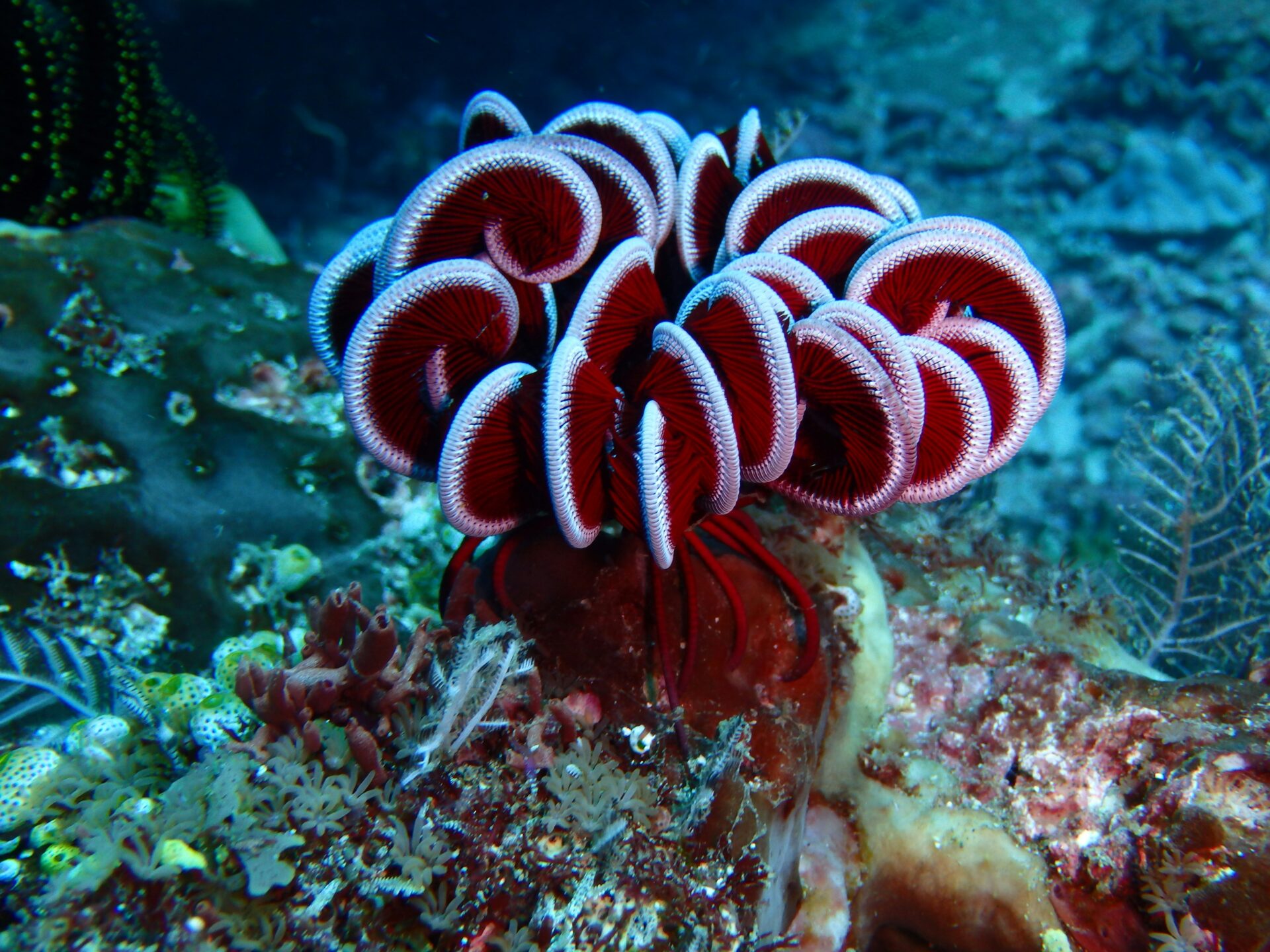
The extent and timing of these changes do vary depending on the amount of carbon added to the atmosphere. In the high-emission scenario, the team found that ocean chemistry will become dramatically different from what corals have experienced historically, potentially posiing challenges to their ability to adapt.
Even in low-emissions scenarios, some changes are inevitable, but they are less extreme and occur more gradually.
The team then calculated the difference between projected ocean acidification and acidification that corals in a given location have experienced in recent history. They found that various areas of the Hawaiian Islands may experience acidification differently. The test concluded that windward coastlines would experience future conditions more dramatically different from anything they have experienced in recent history.
“We did not expect future levels of ocean acidification to be so far outside the envelope of natural variations in ocean chemistry that an ecosystem is used to,” said Tobias Freidrich, study co-author and research scientist in the Department of Oceanography. “This is the first ocean acidification projection specifically for Hawaiian waters to document that.”
Despite this, some species have shown signs of adaptability offering some researchers a glimmer of hope. Previous studies have shown that a coral that is exposed to slightly elevated ocean acidity can acclimatise to those conditions, thereby enhancing the coral’s adaptability.
“The results show the potential conditions of acidification that corals may experience; however, the extremity of the conditions varies based on the climate scenarios that the world follows. In the best case, corals will be impacted, but it could be manageable. This is why we continue new research to examine the combined effects of stresses on corals,” said Powell.
“This study is a big first step to examine the totality of changes that will impact corals and other marine organisms and how it varies around the islands.”
The research team will continue to investigate the future changes in Hawaiian waters, specifically, heat stress, locations of possible refugia (areas where corals may be more sheltered from stress) for coral reefs, and changes to Hawai’i’s fisheries.
The paper – titled ‘Patterns of Ocean Acidification Emergence in the Hawaiian Islands Using Dynamically Downscaled Projections’ – is now published in the scientific journal, Advancing Earth and Space Sciences.


"*" indicates required fields
Printed editions
Current issue
Back issues
Enjoy so much more from Oceanographic Magazine by becoming a subscriber.
A range of subscription options are available.
