Health check: An endurance mission for the Mediterranean
When the sun rises on the coast of Calvi on Corsica this August 9th, Noam and the team will be running the final diagnostics, checking in with the weather forecast, and - all being well - attempting to set a new world record at the most critical time for it.

It was only for a brief moment that, when Noam Yaron left the competitive endurance swimming scene behind him at the age of 15, he truly believed he wouldn’t be making a return to the sport. Fast-forward the clock and the 28-year-old is not only training harder than ever before, he’s about to embark on his furthest and most gruelling swim to date, too. Again.
When the sun rises on the coast of Calvi on Corsica this August 9th, Noam and the team will be running the final diagnostics, checking in with the weather forecast, and – all being well – attempting to set a new world record at the most critical time for it.
The mission? To swim the 180km from Calvi to Monaco non-stop and undeterred. Which means without once leaving the water. And, for the Swiss-born swimmer and ocean advocate this is quite the personal endeavour. Because not only is this Noam’s second attempt at the record (following so nearly making it to the finishing line only last year), this is Noam and the team’s attempt at something far larger – for them, this is all about changing the future.
It’s not by coincidence that Noam’s challenge will take place the same week that world leaders gather in Geneva in Switzerland to resume negotiation towards a Global Plastics Treaty. In fact, it’s rather by design; because Noam and the team are here to raise awareness with a campaign designed to draw public attention to the most polluted sea on the planet – the Mediterranean.
First of all, Noam will be attempting the record-setting endurance swim – a gruelling challenge that he anticipates will take – at its maximum five days and five nights in the water – in a wetsuit. This alone is a pivotal moment for open water endurance swimming which, until now, required that athletes should not compete in wetsuits, but rather lathered in copious amounts of sunscreen.
“As recent scientific reports have revealed, sunscreen is really bad for the environment and particularly bad for the ocean, impacting marine ecosystems,” Noam tells Oceanographic Magazine. “So, after some tough negotiations with the officials across several different countries, we finally successfully changed the rules of the sports, opening a new category for open-water endurance swimming, enabling us to swim in a wetsuit.”
This itself is a foundational element to what Noam and his team are setting out to achieve; showcasing sport as a leading platform for sustainability. But that won’t come without some serious adaptations.
“Sport really could be a hugely influential space for sustainable innovation and pioneering approaches to environmental awareness,” Noam continues. “And I emphasise ‘could be’, because currently it isn’t. It is weighed down in rules and regulations and processes that keep it stuck in the past, and much of them are completely unsustainable.”
Noam isn’t only talking about sunscreen. More so, the scale of the emissions that accompany some of the world’s most celebrated global sporting events. Turning a juggernaut like that around won’t happen overnight. Not when within his own discipline, convincing the official bodies to open up a new category for wetsuits was hard enough.
And it isn’t just them within Noam’s crosshairs. Because this is a challenge set about to draw attention to the many other factors currently plighting ocean health, too – including plastic pollution, habitat loss, and the so-called protections offered by marine protected areas ‘that never were’.
In other news
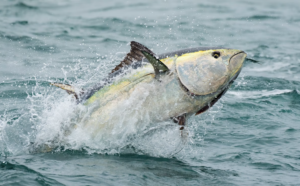
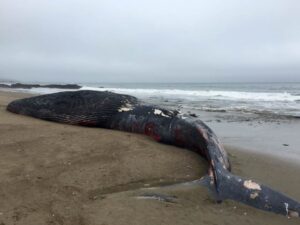

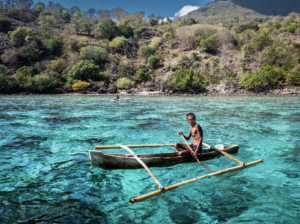
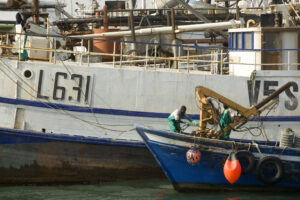
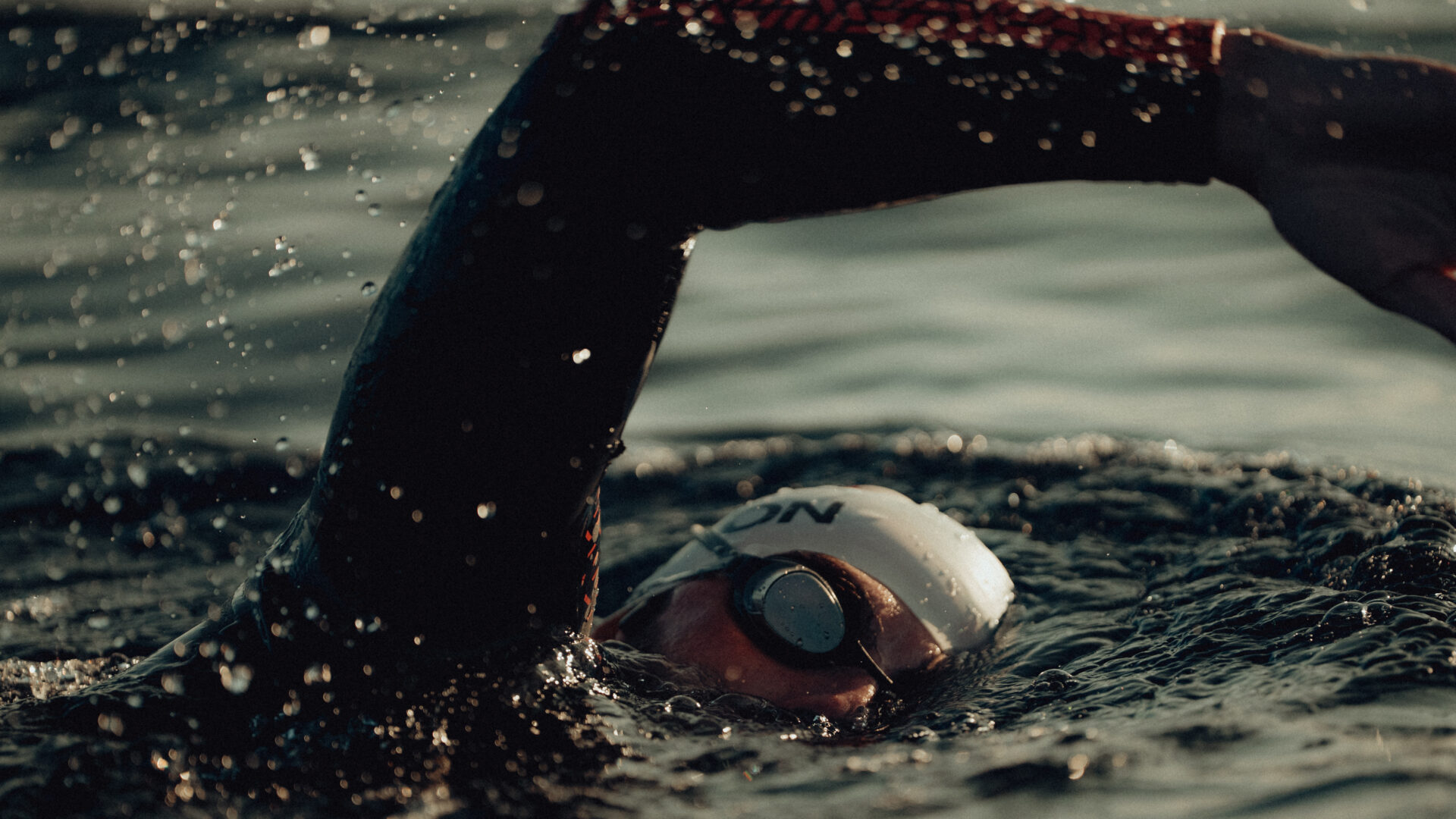
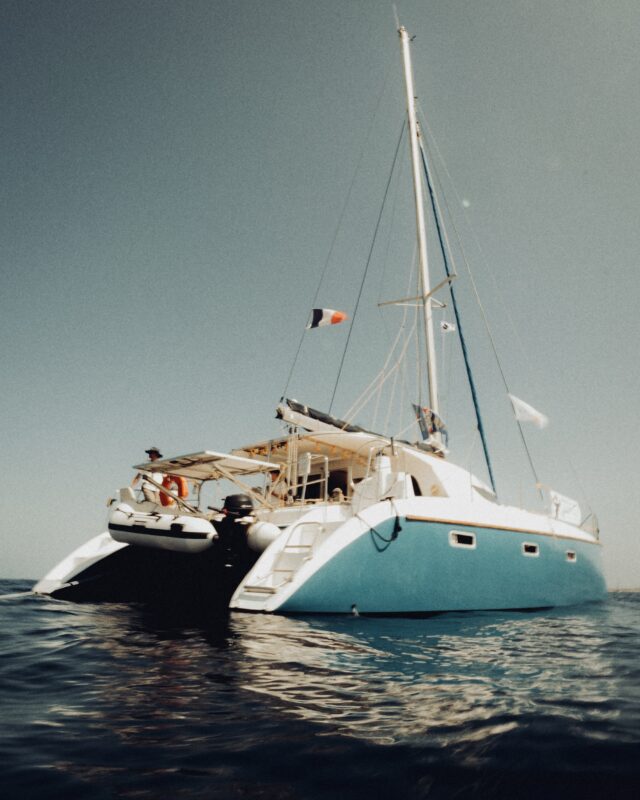
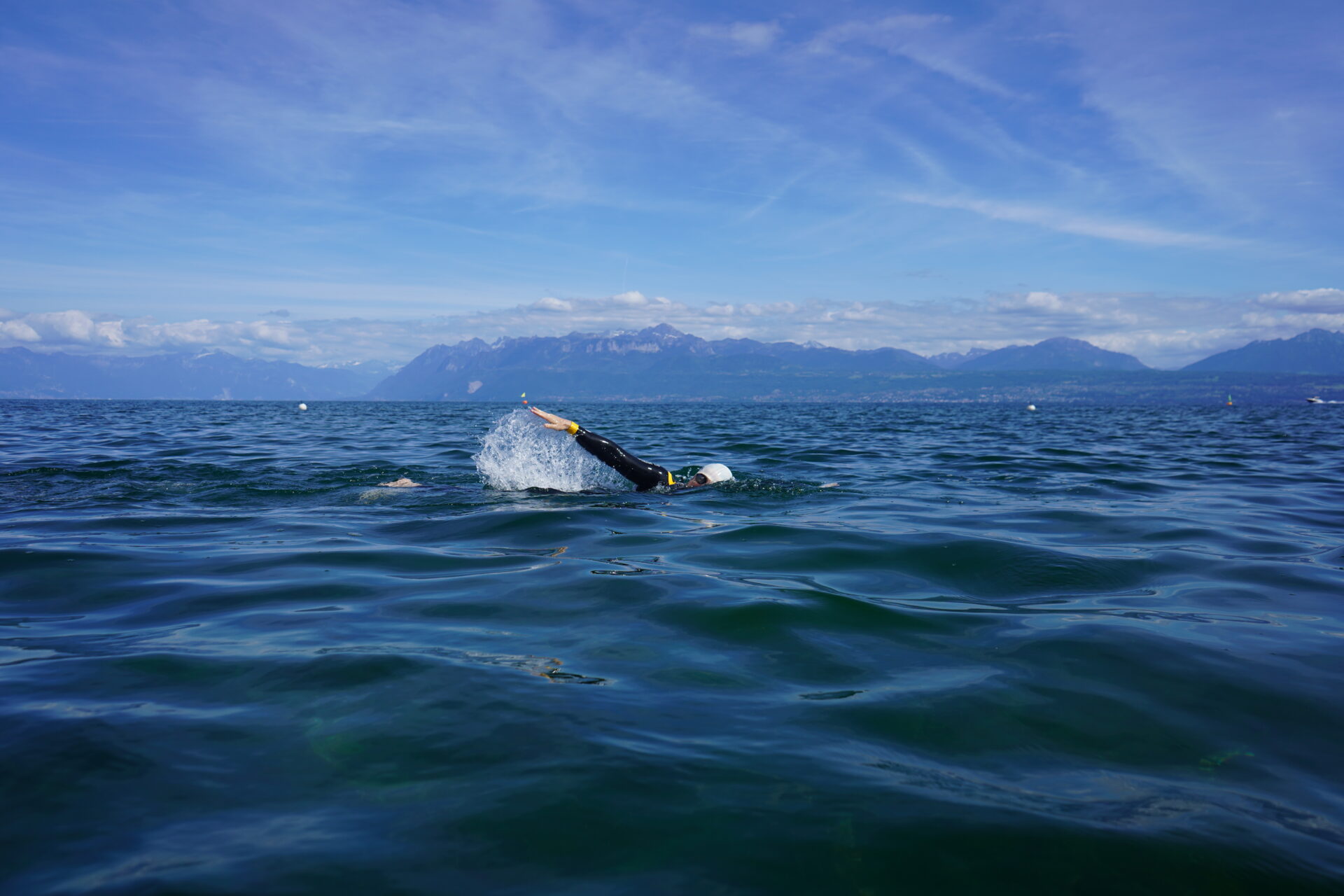
“It was during the pandemic that I decided to swim the length of Lake Geneva,” recounts Noam, reciting the moment he became inspired to tackle the 180km from Corsica to Monaco. “It was winter and the water was clear. Through the clarity of the water, I could see just how much plastic and pollution had made its way into the lake… plastic bottles, car tyres, even a bus stop.
“I wanted to do something that was going to engage people – businesses and decision-makers alike – with this issue, so I decided to take on the swim across the most polluted sea – the Mediterranean. I want to showcase the biodiversity that lives within it as well as tell the world of the impact that all our waste – plastic or otherwise – is having on their habitat.”
For this reason, Noam won’t be travelling alone. As he undergoes his own challenge of eating, sleeping and “pooping” (as he insists on informing us is actually far easier and cleaner in the ocean than you might imagine) across the 180km swim, he will be followed by a boat load of marine scientists who will be taking the chance to collect samples (of sea water) and monitor habitats along the way.
“We wanted to do something that is going to put the science in the public eye,” says Noam. “It’s crazy to think that people don’t even realise we have whales swimming just off this coastline. It’s also crazy to think of just how little there is by way of protection for our marine environments – even those designated as marine protected areas. I think the recent UN Ocean Conference in Nice really highlighted how much work France has to do to better protect its coastal waters.”
With a substantial social media following, Noam (himself a social media influencer and something of an actor, too) and his team are reaching audiences and a younger generation “more switched on to the crisis” and more engaged with how to make change than ever before. But Noam isn’t about creating an ‘us and them’ mentality. The only way to effect lasting, impactful, positive change is to take a collaborative approach.
“We are at a point now where we cannot afford to be arguing over who did what,” he says. “This isn’t about who is responsible for the crisis we’re in, it’s about taking a collective responsibility now to address it and make the right changes. We need to collaborate to do that, it’s the only way we will succeed.”
Noam will be undertaking his challenge from August 9th. Listen to the full interview with Noam Yaron on the Ocean News Podcast.


"*" indicates required fields
Printed editions
Current issue
Back issues
Enjoy so much more from Oceanographic Magazine by becoming a subscriber.
A range of subscription options are available.
