Jersey will protect over one-fifth of its waters from trawling
Jersey has approved an ambitious marine protection network safeguarding 21.7% of its waters from trawling and dredging, protecting vital habitats including kelp forests, seagrass meadows, reefs and rare maerl beds.
Jersey has approved one of the most ambitious marine protection plans in the British Isles, nearly quadrupling the area of its seas protected from damaging fishing practices and positioning the Island as a leader in ocean conservation across the region.
The newly agreed Marine Protected Area (MPA) network will cover 21.7% of Jersey’s waters from 1 September this year, with a further 1.9% scheduled to come into force on 1 January 2030. The network safeguards a range of ecologically important habitats, including kelp forests, seagrass meadows, biodiverse reef systems, and fragile maerl beds – among the rarest and most sensitive marine habitats in the region.
Once implemented, the decision means that 21.7% of Jersey’s waters will be protected from mobile fishing gear such as dredging and trawling – placing the Island significantly ahead of England, where only 11% of waters are protected from these practices.
Among the most significant habitats covered by the network are maerl beds, formed by slow-growing, calcified algae that create pink, coral-like structures across the seabed. These habitats are among the most biodiverse in European waters, capable of hosting up to 173 species within a single square metre. However, they are also extremely vulnerable to disturbance from mobile fishing gear, with damage and sediment disruption effectively irreversible on human timescales.
The new protections come at a time when marine ecosystems globally are facing increasing pressure from climate change and overfishing. By expanding its protected waters, Jersey moves significantly closer to meeting its international commitment to safeguard 30% of its seas by 2030.
Freddie Watson, Channel Islands Project Manager for Blue Marine Foundation, said: “This is a pivotal moment for Jersey’s marine environment. This is the result of years of careful work, conversation and collaboration, underpinned by strong scientific evidence. By protecting these places, we’re giving marine life the space it needs to recover, supporting more resilient fisheries and helping our seas adapt to the pressures of climate change.
“We commend States Members in backing the network and taking this once-in-a-generation opportunity to secure a healthier future for Jersey’s waters.”

In other news
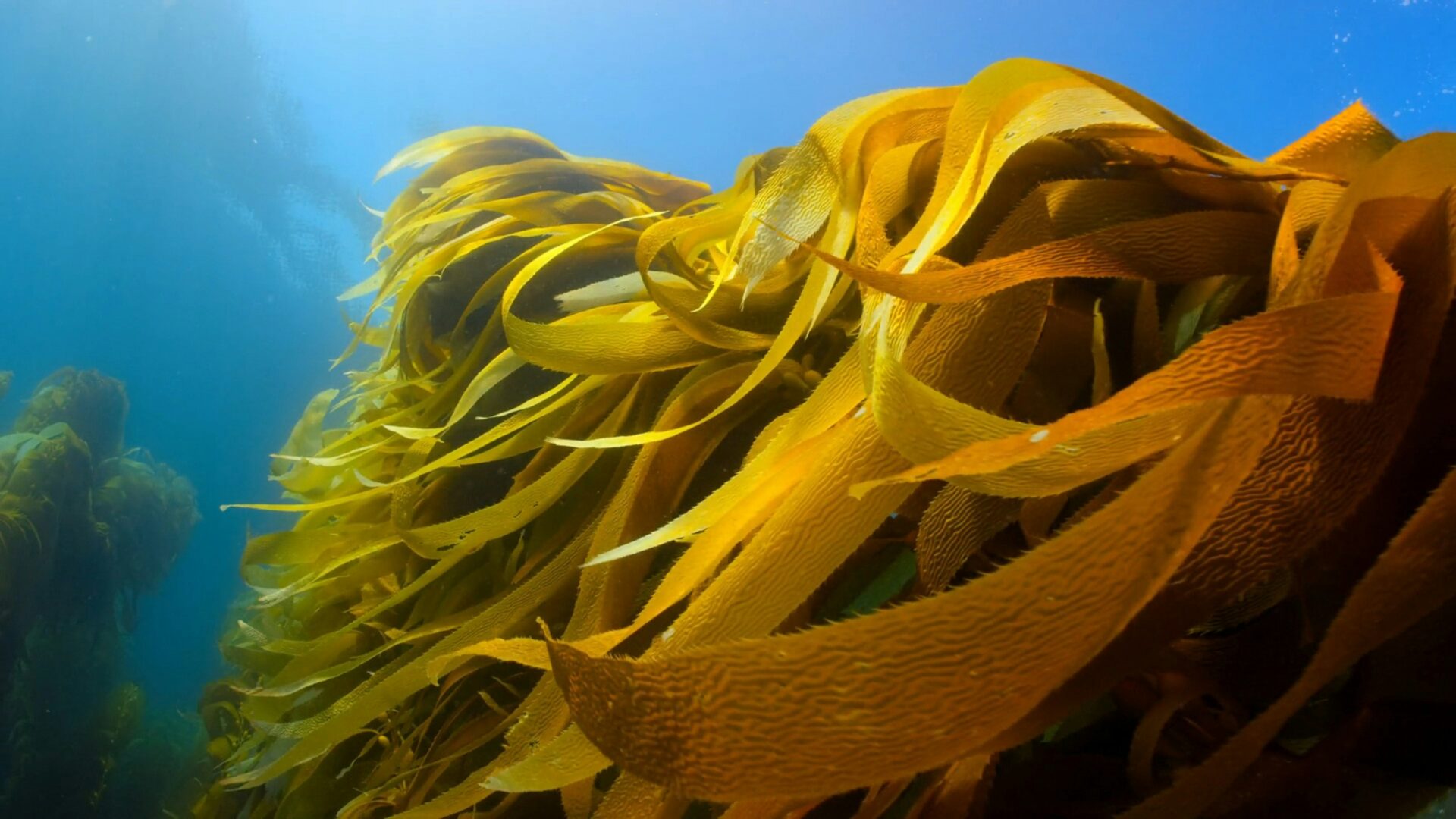
Alan Le Maistre, Chief Executive of the National Trust for Jersey, said: “From vast kelp forests to the intricate maerl beds that take centuries to develop, Jersey’s seas host some of the most valuable habitats in our natural heritage. Their fragility means that once lost, they cannot simply be replaced, underscoring the importance of today’s decision.
“The marine environment shapes our Island culture, our wellbeing and our future, and it is vital that we protect it. The Trust is pleased to have partnered with Blue Marine over many years in advocating for these MPAs and securing this meaningful step for future generations.”
Over the past year, the boundaries of the network have been shaped through a combination of seabed surveys, ecological data, and extensive consultation with fishers, community groups and other sea users. Areas containing sensitive species and slow-growing habitats were prioritised for protection, while zones with lower ecological sensitivity were refined to remain open to sustainable fishing activity.
The resulting network aims to balance environmental protection with the needs of those who depend on the sea for their livelihoods.
The measures are also expected to support the long-term sustainability of Jersey’s fisheries. While the most significant restrictions apply to mobile fishing gear, much of the Island’s fleet – particularly static-gear fishers using pots, rod-and-line, or hand-diving for scallops – will continue to operate across large areas of productive fishing grounds.
By protecting key nursery habitats and reducing pressure on vulnerable seabeds, MPAs can help rebuild fish stocks, stabilise catches, and create greater opportunities for low-impact fisheries.
Jersey’s waters span around 2,455 square kilometres – far exceeding the Island’s land area – and support thousands of marine species. Currently, only around 6.5% of these waters are protected from mobile fishing gear.
The newly approved network will increase that coverage nearly fourfold, offering critical seabed habitats the space needed to recover while strengthening the resilience of Jersey’s marine ecosystems and fishing communities for the future.


"*" indicates required fields
Printed editions
Current issue
Back issues

Enjoy so much more from Oceanographic Magazine by becoming a subscriber.
A range of subscription options are available.
