Kelp calculations: Urchin cull to boost southern Australian economy
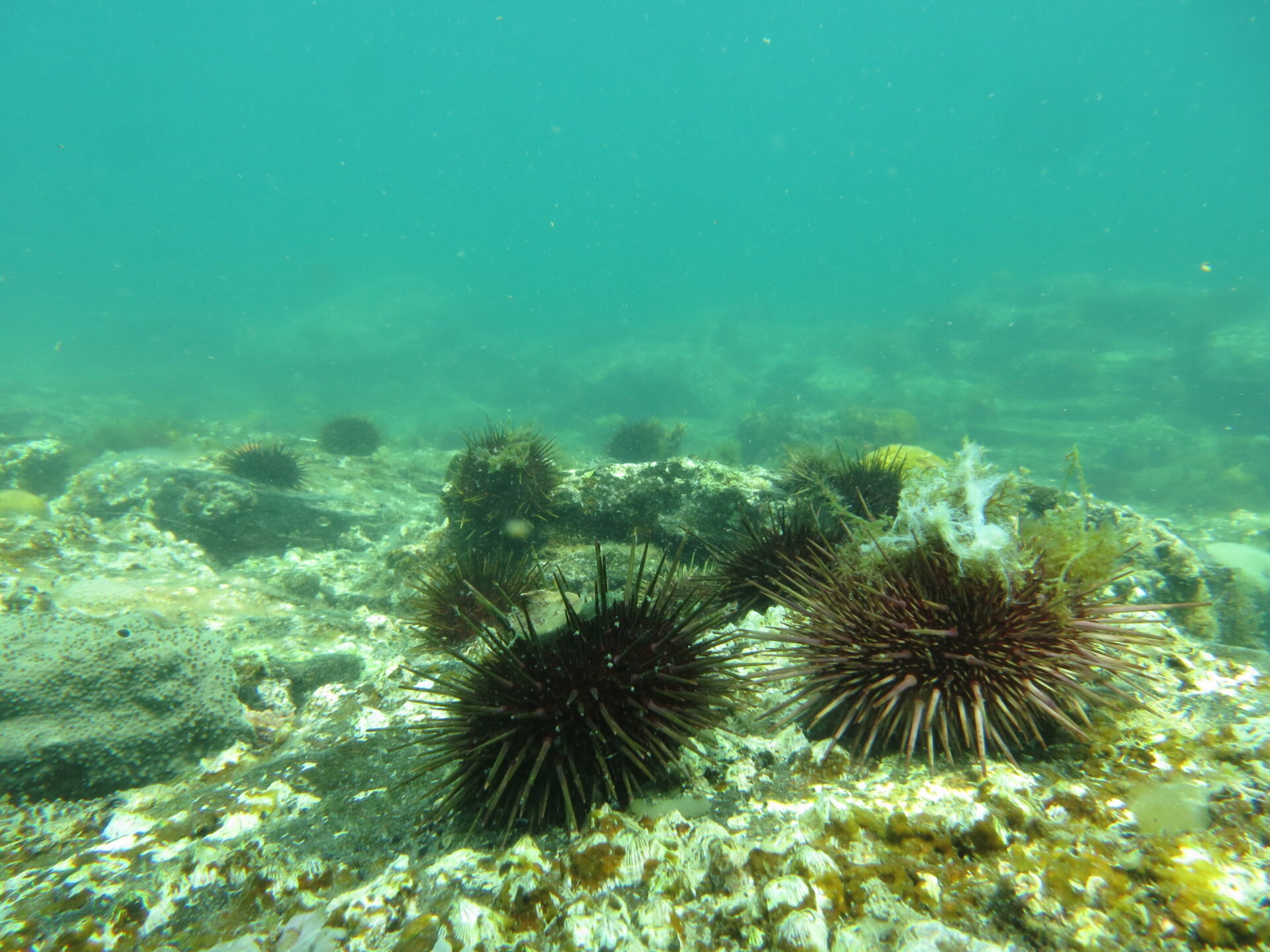
Kelp provides shelter and food for countless species while removing pollutants like nitrogen and phosphorous from the water. However, sea urchins native to the Australian region of Port Phillip Bay and feeding on the kelp, have now reached unsustainable population levels.

The numbers have been crunched, counted, and verified and it turns out that by culling the spate of overgrazing sea urchins currently munching their way through the kelp forests of Victoria’s Port Phillip Bay, the local economy could see a return of up to $92 million.
Kelp plays a pivotal role in providing shelter and food for countless species while removing pollutants like nitrogen and phosphorous from the water. However, sea urchins native to the Australian region of Port Phillip Bay feeding on the kelp, have now reached unsustainable population levels.
For the first time, experts at RMIT University have calculated the return on investment of targeted sea urchin culling and kelp restoration. In fact, new economic modelling shows the best return-on-investment scenario comes from a $50 million investment in targeted culling and kelp restoration – which could return up to $92 million in economic benefits.
Lead author of the study, Dr Paul Carnell, said that while climate change and human factors were also to blame for disappearing kelp forests, managing these overabundant sea urchin populations is “key to restoring healthy reefs.”
“Managing the bay’s sea urchin population is a practical step we can take to ensure the health of Port Phillip Bay, which is crucial to local ecosystems, tourism, and food security,” said Carnell, a senior lecturer at RMIT’s Centre for Nature Positive Solutions.
“Now we have the figures to show this is also a smart economic investment. This approach can be targeted to specific areas of the bay, so we can get the greatest bang for our buck.”
So, where is all of this economic return coming from? Well, for this study – now published in Ecosystem Services – researchers modelled the costs and benefits of urchin culling at different sites in Port Phillip Bay, factoring in urchin density, dive depth, travel time, and the potential for kelp to boost nitrogen storage.
In other news
An investment of $50 million would go towards paying commercial divers to cull sea urchins and the cultivation and deployment of kelp to help restore reefs, creating jobs in those sectors. Most of the $92 million gained back would be from the value of removing nitrogen from the bay itself, but also includes boosts to recreational fishing and carbon storage to mitigate climate change, said Carnell.
“We know from previous trials in Port Phillip Bay that this is an effective approach to restore these reefs,” he said.
The research was led by RMIT with Deakin University, the University of Melbourne, University of Western Australia, and Canopy Economics and Policy.
Prioritising investment in kelp forest restoration: A spatially explicit benefit-cost analysis in southern Australia is now published in Ecosystems Services.


"*" indicates required fields
Printed editions
Current issue
Back issues

Enjoy so much more from Oceanographic Magazine by becoming a subscriber.
A range of subscription options are available.
