Legal action taken against France over bottom trawling failure
The international NGO, BLOOM has submitted a formal legal notice to the French State, demanding it bring an end to the ‘degradation of metropolitan waters and the marine biodiversity within them’ by banning bottom trawl fishing.

The international ocean NGO, BLOOM is taking the French government to court where it will demand immediate action to end the ecological damage caused by bottom-trawling in metropolitan waters – a national pain point that went largely unacknowledged when France hosted the United Nations Ocean Conference in June this year.
Earlier this month, the organisation submitted a formal legal notice to the French State, demanding it bring an end to the ‘degradation of metropolitan waters and the marine biodiversity within them’, a destruction that is mostly attributable to the persistence of bottom trawl fishing.
Last month, the French president Emmanuel Macron drew ire from ocean campaigners when he failed to deliver a robust plan to bring an end to bottom trawling in French protected waters. In an opening address, he instead made the suggestion of ‘limiting’ the activity but failed to provide quantifiable details of the protections and guarantees that would be offered.
In late May, the ocean campaign organisation, Oceana released an analysis of fishing activity in France’s six MNP in European waters, finding that in 2024, more than 100 bottom trawling vessels spent over 17,000 hours fishing in these special and unique places.
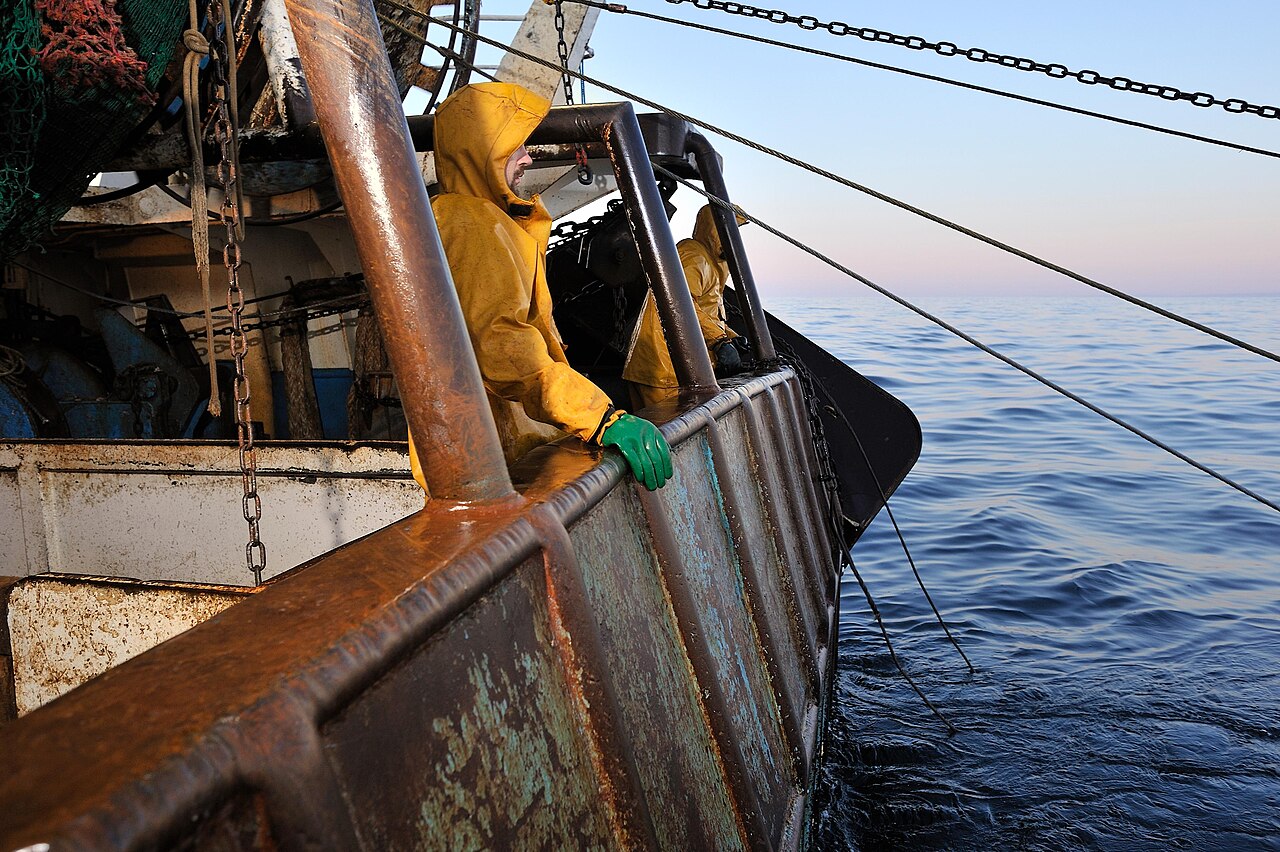
There is a long-established and unambiguous scientific consensus on the role of bottom trawling in degrading marine ecosystems. Not only is the practice harmful to the environment – something that was made pointedly clear to the general public when never-before-seen trawling footage caught attention from media around the world upon the release of Ocean with David Attenborough – but it is harmful to small-scale fisheries, too.
It is also the recipient of massive public subsidies that could be better spent investing in sustainable, artisanal fishing practices instead.
BLOOM has argued that the continued use of bottom trawling is “incompatible with both European and national legal frameworks that aim to protect marine environments”. To put an end to the ecological damage caused by the practice, BLOOM has adopted what it hails a ‘groundbreaking, comprehensive legal approach’ analysing the harms caused by bottom trawling across all four French maritime zones and referencing all applicable regulations.
In other news


Its legal action will therefore be based on numerous scientific assessments and legal obligations of the French State, including the ecosystem protection goals of the Common Fisheries Policy; the Marine Strategy Framework Directive that required good environmental status of marine ecosystems be achieved or maintained by 2020; a full review of Natura 2000 areas affected by bottom trawling; and regulations governing the three nautical mile coastal zone in which bottom trawling is theoretically banned, yet still widely practiced through ‘exemptions’.
It will base its final argument on Mediterranean-specific regulations whereby bottom trawling should be prohibited in all marine protected areas designated for the conservation of vulnerable ecosystems such as Posidonia seagrass, maërl beds, and corals.
Current bottom trawling practices prevent France from fulfilling its environmental commitments to each of these obligations, BLOOM has argued.
“The current practice of trawling – particularly bottom trawling – causes significant ecological damage and prevents France from meeting its commitments,” said Aymeric Thillaye du Boullay, legal director at BLOOM. “In light of the destruction of marine environments and political inaction, we are launching an official procedure to ensure France finally takes responsibility for the good ecological status of marine environments and the protection of sensitive marine environments, coastal areas, and Natura 2000 sites in particular.”
BLOOM’s formal legal notice – a necessary step before judicial proceedings – demands that the French government takes concrete action to remedy and halt the ecological damage occurring in French metropolitan waters, in accordance with current law.
If the State fails to act, BLOOM will refer the matter to the administrative courts.
“The deception and irresponsibility of political leaders regarding today’s environmental and social challenges must end. It’s time to enact meaningful change to stop the destruction of life – and the people who depend on it – both on land and at sea,” said Thillaye du Boullay.


"*" indicates required fields
Printed editions
Current issue
Back issues



Enjoy so much more from Oceanographic Magazine by becoming a subscriber.
A range of subscription options are available.
