Maldives coral reef restoration takes pioneering step forwards
Using a portable reef aquaculture system - one known as ReefSeed - researchers from the Maldives Marine Research Initiative (MMRI) have successfully reared more than three million larvae and deployed more than 10,000 juvenile corals on 720 seeding devices at nine different reef locations - marking a major leap forwards for coral restoration.

Coral reef restoration in the Maldives is taking a pioneering step forwards thanks to a cross-collaborative effort between local marine biologists and scientists from the Australian Institute of Marine Science that has engaged groundbreaking new technology to enable reef restoration in some of the world’s most remote underwater locations.
Using this pioneering new, portable reef aquaculture system – one known as ReefSeed – researchers from the Maldives Marine Research Initiative (MMRI) have now successfully reared more than three million larvae and deployed more than 10,000 juvenile corals on 720 seeding devices at nine different reef locations.
This marks the first time this new ReefSeed system has been used independently and without the need for scientists from the Australian Institute of Marine Science to be on the ground themselves to assist.
This road test was conducted at Maniyafushi island in the South Malé Atoll of the Maldives. Through the successful training of local experts and technicians, ReefSeed has proven to be a system that could drive a positive impact in coral restoration in some of the most remote areas.
ReefSeed is an innovative bit of kit; a containerised coral aquaculture system capable of producing millions of coral larvae in remote regions all for reef restoration. It’s designed to maximise fertilisation success and larval production while reducing labour costs for those restoration efforts.
The system has been developed by researchers at the Australian Institute of Marine Science (AIMS) as part of the G20 Coral Research and Development Accelerator Programme who worked with the Maldives Marine Research Institute as an implementing partner. As such, it was the responsibility of the researchers at AIMS to train up local biologists in the Maldives to use the system without the need for on-the-ground assistance.
AIMS coral reproduction and aquaculture scientist and ReefSeed co-lead, Dr Muhammad Azmi Abdul Wahab, said the successful use of the system by MMRI staff was “hugely encouraging.”
In other news

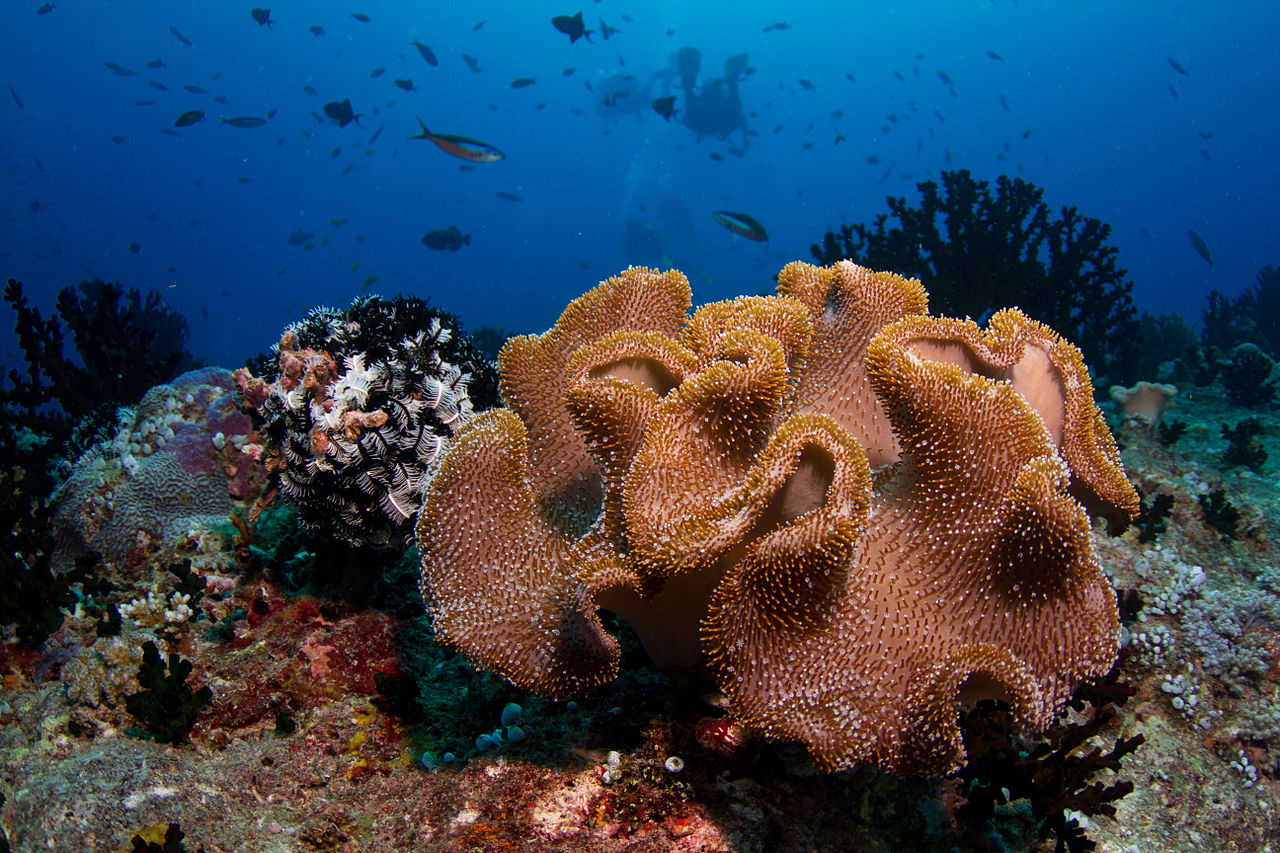
“With training of local experts and technicians, it shows that ReefSeed is a system that could help with coral restoration efforts in remote areas,” he said. “We have learned much from working with colleagues at MMRI, which will help us make improvements in the training and refinements in the way the system itself can work.
“Coral reefs in the Maldives sustain communities and livelihoods but, like coral reefs globally, they have been impacted by bleaching driven by climate change. Innovations like ReefSeed can play a role in supporting restoration efforts providing hope for these communities.
“AIMS and partners are working on a plan to share ReefSeed with other nations in the Pacific.”
A team of researchers were flown from the Maldives to the Great Barrier Reef in Australia in early 2024, in time for the autumn spawning and then later in the year for the annual mass coral spawning on the Reef. It was during this visit, AIMS scientists shared their knowledge of the kind of restoration techniques developed and refined under the project.
For Maldives, a nation on the front lines of climate change and global coral bleaching, the project now offers what Fathimath Shazra Mueen, a researcher with the MMRI, called “real hope and a powerful step towards sustaining our coral reef for future generations.”
She added: “This was our first time operating the ReefSeed system without an AIMS expert on site, which was both exciting and challenging. The experience taught us a lot, and we’re better prepared for future spawning events.”
The ReefSeed project was awarded $1.5 million in funding over three years by the G20 Coral research and Development Accelerator Programme, the only international organisation dedicated to funding global research and development for tropical and cold water coral restoration and conservation.


"*" indicates required fields
Printed editions
Current issue
Back issues

Enjoy so much more from Oceanographic Magazine by becoming a subscriber.
A range of subscription options are available.
