Millions of coral larvae get second chance on Great Barrier Reef
Australian scientists have developed a “larval seedbox” boosting coral settlement up to 56-fold on the Great Barrier Reef. Acting as underwater nurseries, the seedboxes release millions of coral larvae to restore damaged reefs, offering a scalable coral recovery solutions.

A breakthrough in coral restoration is giving fresh hope to degraded sections of the Great Barrier Reef, with millions of coral larvae now enjoying a greater chance of survival thanks to a novel innovation known as the ‘larval seedbox’.
Developed by Australia’s national science agency, CSIRO, in collaboration with Southern Cross University, the larval seedbox acts “as a kind of nursery and delivery system” for coral larvae, delaying their dispersal and allowing them to settle more effectively in targeted reef zones.
According the researchers behind the project, the early results are striking. The first large-scale trial, conducted at Lizard Island in 2024, recorded coral settlement rates up to 56 times higher than previous methods, across thousands of square metres of reef habitat.
“The seedboxes work as a delivery system, allowing coral larvae more time to disperse and settle where they can establish and grow into juvenile corals,” said Dr Christopher Doropoulos, Senior Research Scientist at CSIRO. “They’re simple, cost-effective, and dramatically increase coral larval survival.”
Each year, during the Great Barrier Reef’s spectacular mass coral spawning event, researchers collect tens of millions of larvae from coral cultures. These larvae are then placed into seedboxes, which are deployed across restoration sites. Once mature, the larvae drift out and follow natural currents, spreading across more than two hectares of reef and seeding new coral growth at unprecedented densities.
In other news
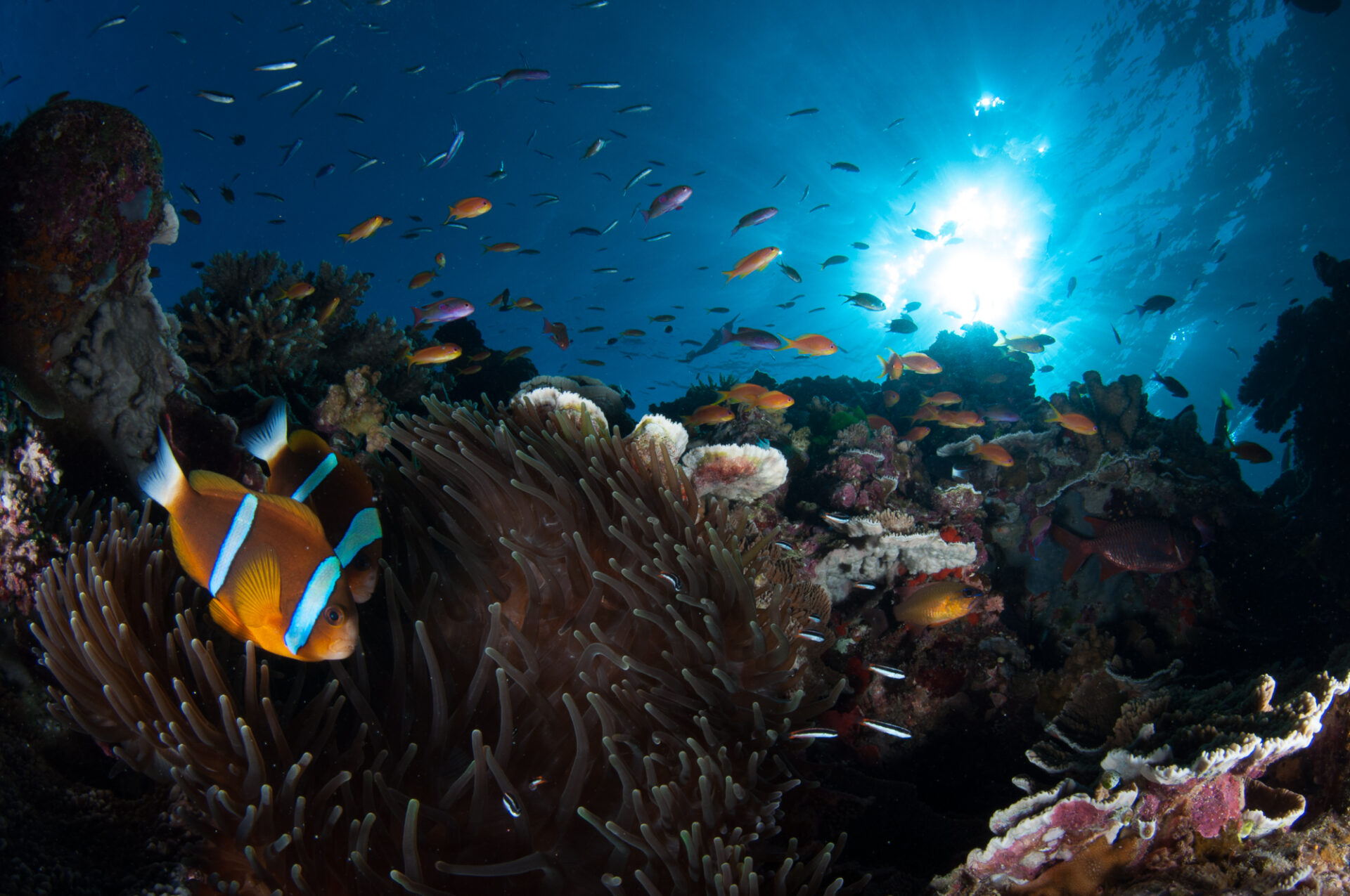
Following the success at Lizard Island, a second major trial is now underway in the Whitsundays, timed to coincide with this year’s spawning event. This next phase will test how well the technology performs under varying environmental conditions, including areas previously affected by bleaching and storms.
“We’re deploying the seedboxes in the Whitsundays to target reefs that have suffered from extreme weather and warming seas,” said Professor Peter Harrison of Southern Cross University. “We expect to release up to 20 million larvae across multiple locations and will monitor how they disperse and establish over the next nine to 12 months.”
The research team aims to assess how far the larvae travel after release and measure settlement success across diverse reef environments. If successful, the technique could pave the way for scalable, climate-resilient coral restoration throughout the Great Barrier Reef and beyond.
Anna Marsden, Managing Director of the Great Barrier Reef Foundation, called the project “part of the next generation of reef restoration solutions.”
“This work is building new ways to help coral ecosystems adapt in a changing climate,” Marsden said. “With support from Qantas, we’re turning innovative science into real-world impact.”
The larval seedbox project is a collaboration between CSIRO, Southern Cross University, and the Great Barrier Reef Foundation, in partnership with the Australian Institute of Marine Science and local reef stakeholders.
The full findings from the Lizard Island trial will be published in Ecological Applications.


"*" indicates required fields
Printed editions
Current issue
Back issues
Enjoy so much more from Oceanographic Magazine by becoming a subscriber.
A range of subscription options are available.
