Most endangered marine mammals face highest plastic risk
Three out of every four marine mammals in the highest-risk category for plastic ingestion and entanglement are already classified as threatened, according to a new study
Three-quarters of the marine mammals most vulnerable to plastic pollution are already teetering on the brink of extinction, according to a new study published in Conservation Biology today.
Macroplastics include any piece of plastic pollution found in the environment larger than 5mm, roughly the size of a pencil eraser. This can include anything from plastic packaging to ghost gear.
For the first time, this new study, co-authored by scientists at Ocean Conservancy, Arizona State University and Shaw Institute, ranks how vulnerable marine mammals are to plastic pollution.
Estimates put the amount of plastic entering our ocean at 11million metric tons per year. This is the environmental equivalent of dumping a full garbage truck into the ocean every single minute.
The five most at risk from population decline due to macroplastics include Hawaiian monk seals, African manatees, Australian sea lions, vaquita porpoises, and Mediterranean monk seals.
According to general species groupings, sirenians, which includes manatees and dugongs are the most vulnerable.
Using the International Union for Conservation of Nature (IUCN)’s list of 125 species classified as marine mammals – excluding those like polar bears which live most of their life on land – the research scored the species according to 11 relevant traits to their long-term survival.
These included animals’ likelihood of exposure, their relative sensitivity to plastics, and how good their populations are at bouncing back from stressors.
They then assigned them scores and ranked them based on their vulnerability: categorised as high, medium-high, medium, medium-low and low.
Of the 117 marine mammals evaluated, more than 1 in 3 are red-listed as vulnerable, endangered, or critically endangered according to the IUCN; and of the 22 marine mammals in the highest-risk group, 17 are vulnerable, endangered, or critically endangered.

In other news

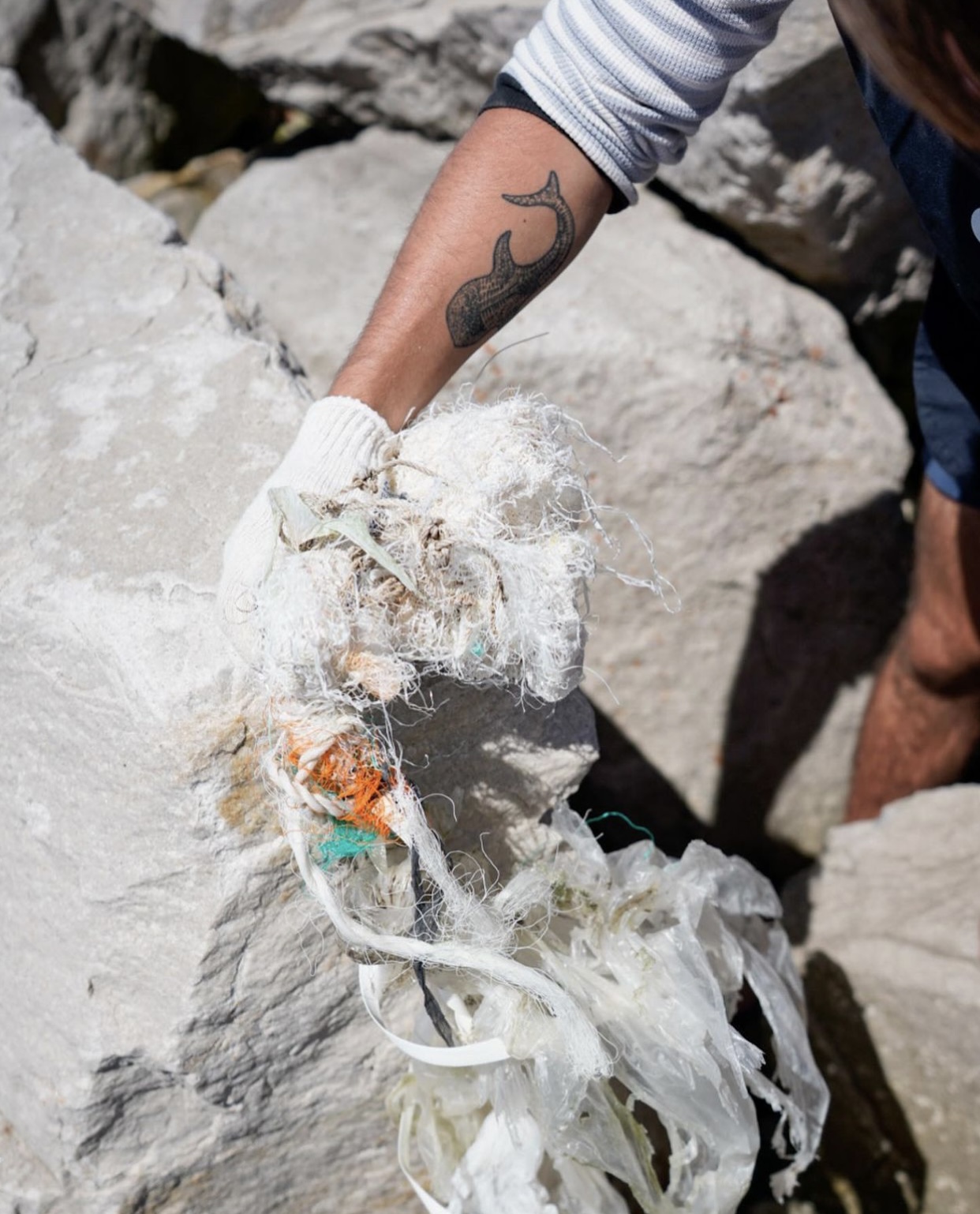
To combat these threats, Ocean Conservancy advocates for “upstream” solutions that prevent plastic from reaching waterways in the first place.
These efforts include advocating for high-level policy changes, such as legislation to reduce single-use packaging, a federal push to phase out expanded polystyrene, and the UN Plastics Treaty – a historic international agreement to end plastic pollution globally
The organisation also advocates for beach clean ups to remove debris and the deadliest form of pollution for marine mammals, ghost gear.
“All marine mammals are affected by plastic pollution, but we wanted to understand: which ones should we be most worried about? Which populations are most at risk?” said Dr Erin Murphy, Ocean Conservancy’s manager of ocean plastic research and co-author of the study.
“Knowing the answer to these questions can guide our efforts and add urgency where it’s needed most,” she added.


"*" indicates required fields
Printed editions
Current issue
Back issues
Enjoy so much more from Oceanographic Magazine by becoming a subscriber.
A range of subscription options are available.
