Most Hawai'i residents are already feeling the effects of sea level rise
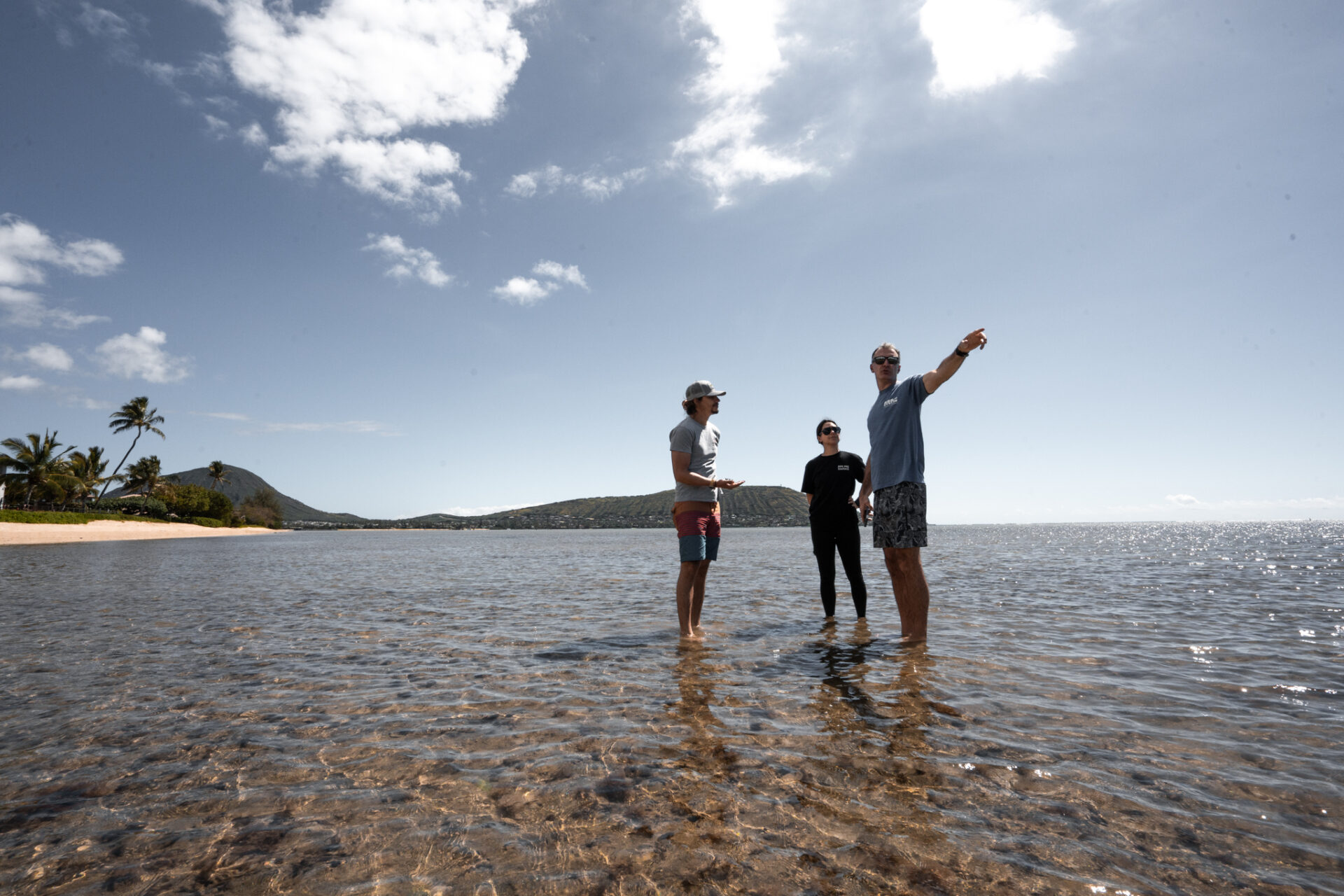
A first-of-its kind survey has found that most Hawaiʻi residents believe sea level rise is already affecting the state, believe it could have catastrophic impacts, and want greater government action on the issue.
Hawai’i residents overwhelmingly believe sea level is affecting the state, expect to be impacted in their lifetime and want changes in development planning, according to a new statewide survey from the University of Hawai’i Economic research organisation (UHERO).
The survey drew from 1,314 adults surveyed in summer 2025, and is the first representative survey to measure public beliefs, risk perceptions and policy attitudes across Hawai’i’s four counties.
There was across-party consensus on whether sea level rise was happening, with 89% of Hawai’i residents believing it is already taking place. Nearly half of respondents also believe that sea level rise is affecting residents, more than 80% expecting impacts within the next 25 years, and 83% believe that the impacts of sea level rise will be catastrophic within the next 50 years.
Evidence from US scientific regulatory body, the NOAA, confirms that the rate of global sea level rise has accelerated significantly over the past decade, reaching record levels. The rate of rise between 2014 and 2023 was 4.77 mm per year – more than double the rate observed during the first decade of the satellite record (1993–2002), which was around 2.13 mm per year.
“Our findings show that Hawaiʻi residents overwhelmingly accept that sea level rise is happening,” said Colin Moore, political scientist and associate professor at UHERO. “There is broad agreement that action is needed. The harder question is not whether to act, but how to structure adaptation in a way that is credible, fair and sustainable over time.”
And looking at this future adaptation, the survey finds that the majority of Hawai’i residents (90%) support limiting new developments in flood-prone areas. 80% favour prioritising inland developments over continued coastal expansion.

In other news



“People clearly recognise the risks and support major shifts in coastal policy, including limits on development and public assistance for relocation,” said Ketty Loeb, a co-author and assistant professor at the UH Mānoa Institute for Sustainability and Resilience.
The survey also found strong support for government assistance to property owners in vulnerable areas, including: expanded access to flood insurance, incentives to elevate or flood-proof buildings, and public funding to support voluntary relocation.
However, residents were more divided on shoreline armouring – with a narrow majority support for private seawalls but much stronger backing for seawalls protecting public infrastructure such as roads and utilities.
And, only 45% of residents said that they would be willing to pay higher taxes or fees to fund neighbourhood-level protection projects.
“Hawaiʻi residents are keenly aware of sea level rise, and they are pragmatic about what lies ahead,” said Zena Grecni, researcher with Pacific RISA and co-author of the report.
“They support protecting or adapting communities where possible and relocating when necessary. What remains uncertain is how the costs of those choices should be shared across households, communities, and levels of government,” he added.


"*" indicates required fields
Printed editions
Current issue
Back issues



Enjoy so much more from Oceanographic Magazine by becoming a subscriber.
A range of subscription options are available.
