Nations firm on Antarctic protection but talks end in stalemate
Negotiations at the 44th gathering of the Commission for the Conservation of Antarctic Marine Living Resources (CCAMLR) may have ended in stalemate, but beneath the surface nations have stood firm against pressure to open Antarctica’s waters to greater industrial fishing.

After two weeks of marathon talks beneath Hobart’s spring skies, the 44th gathering of the Commission for the Conservation of Antarctic Marine Living Resources (CCAMLR) has drawn to a close – and with it, another year of fragile hope for the Southern Ocean.
Yet, while the negotiations may have ended in stalemate, beneath the surface there is an underlying new current forming. A coalition of nations – bound by a shared determination to defend one of the planet’s last great wildernesses – stood firm against mounting pressure to open Antarctica’s waters to greater industrial fishing.
“This year, conservation-minded countries showed that the future of Antarctica cannot be dictated by those who put fishing before protection,” said Claire Christian, Executive Director of the Antarctic and Southern Ocean Coalition (ASOC). “Key proponents refused to compromise on science, stood united in defence of marine life, and sent a clear signal that CCAMLR’s founding purpose of conservation must come first.”
Led by Chile, Argentina, the European Union and its Member States, New Zealand, and the Republic of Korea, a coalition of Member States pushed back against proposals to expand krill fishing in predator-rich waters. Their resistance underscored growing frustration with efforts to weaken environmental safeguards for penguins, seals, and whales.
At the heart of this year’s debates lay two intertwined issues: the long-proposed Antarctic Peninsula Marine Protected Area (MPA) and the management of the Southern Ocean krill fishery that overlaps its boundaries.
While most Members agree that sustainable fishing and habitat protection must advance together, a small bloc sought to decouple these discussions – a move conservationists say undermines ecosystem-based management.
“You can’t claim to manage krill sustainably while ignoring the penguins, whales, and seals that depend on it,” said Emily Grilly, Ocean Conservation Manager at WWF-Australia. “The science is clear: healthy predator populations rely on healthy krill populations. Preserving this balance requires precautionary management and designated protected areas.”
In other news
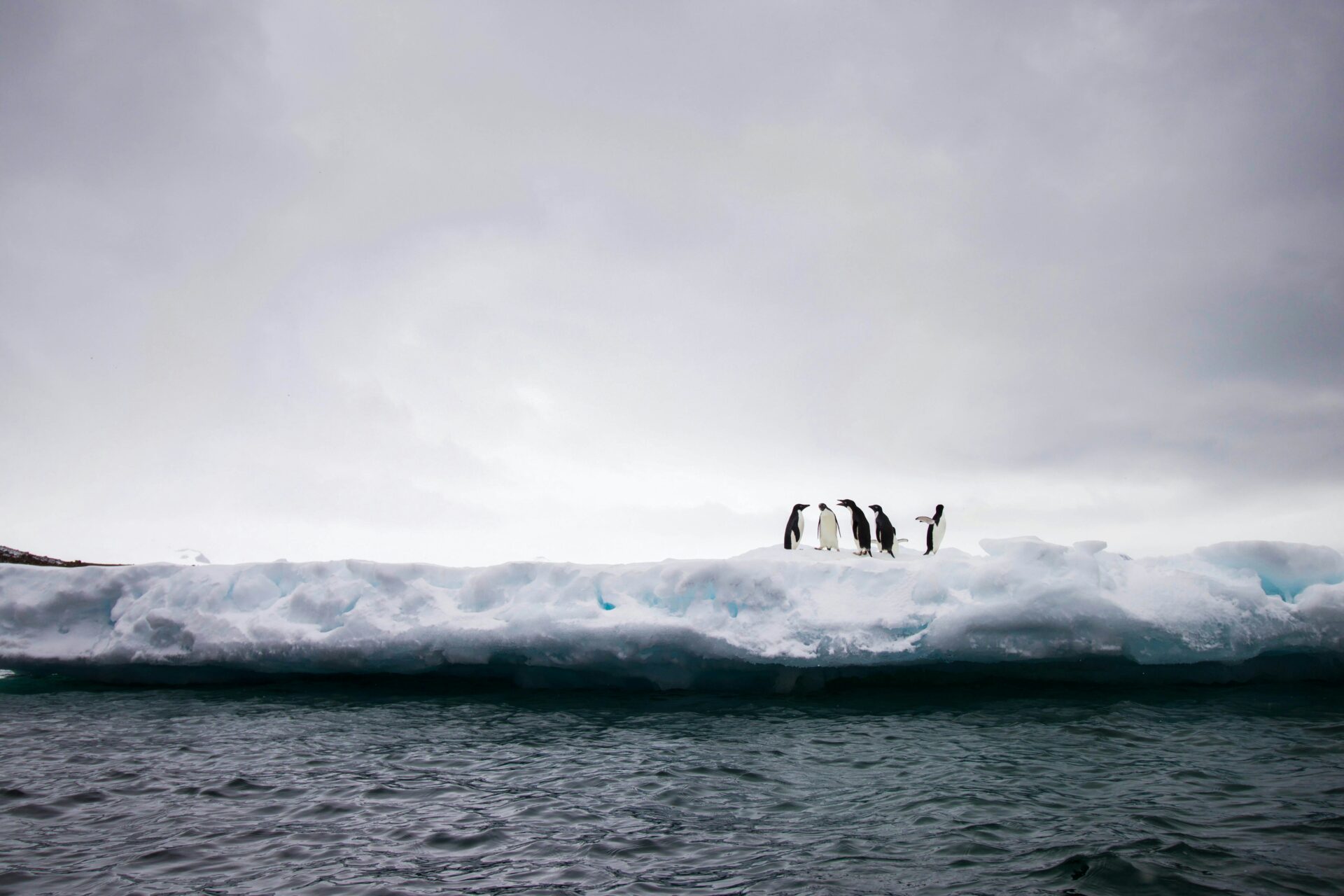
The proposed Antarctic Peninsula MPA, championed by Chile and Argentina and backed by more than 150 scientific studies, remains one of four pending protection proposals. Together, these would secure 26% of the Southern Ocean – about 3% of the global ocean – under CCAMLR protection.
While no new designations were adopted, observers described this year’s meeting as a potential inflection point. Growing alignment among conservation-focused Members hints at renewed momentum to align CCAMLR’s work with global commitments – including the UN High Seas Treaty and the international goal to protect 30% of the ocean by 2030.
Still, key opportunities were missed. Two Members blocked the designation of a new Vulnerable Marine Ecosystem (VME) despite video evidence showing fragile deep-sea corals and sponges – evidence similar to that used to protect 11 other sites in the past.
The inconsistency drew criticism from scientists and observers alike.
Climate change, which is now reshaping Antarctica faster than almost anywhere else on Earth, also loomed large in discussions, though without tangible outcomes.
“Antarctica is warming faster than almost anywhere else on Earth, yet CCAMLR continues to treat climate change as an afterthought,” said Eunhee Kim, Executive Director of the Climate Ocean Research Institute. “Acting on the alarming evidence is essential to ensuring the resilience of Antarctic ecosystems.”
There was, however, one bright spot. Members agreed to strengthen transparency on transshipment – the transfer of cargo or catch between vessels at sea – by publicly listing all authorised ships. The long-awaited reform aligns CCAMLR with international best practices for combating illegal, unreported, and unregulated (IUU) fishing.
Despite the modest gains, conservation advocates left Hobart warning that CCAMLR’s credibility is on the line.
“While the rest of the world is advancing bold new commitments to protect the ocean, CCAMLR remains at a standstill,” said Christian. “The determination shown by many countries this year proves that change is possible. But without real action, this once-pioneering body risks being left behind by global momentum.”


"*" indicates required fields
Printed editions
Current issue
Back issues



Enjoy so much more from Oceanographic Magazine by becoming a subscriber.
A range of subscription options are available.
