Nearly all US aquarium fish are sourced directly from the wild
Almost 90 percent of marine aquarium fish sold online in the United States are sourced directly from wild populations and many of those are from coral reefs in the western Pacific and Indian Ocean, already under pressure from climate change.

Almost 90 percent of marine aquarium fish sold online in the United States are sourced directly from wild populations, many from coral reefs in the western Pacific and Indian Ocean, raising stark concerns about the ecological footprint of the global ornamental fish trade.
The research, published in Conservation Biology, was led by Dr Bing Lin, a postdoctoral researcher at the University of Sydney’s Thriving Oceans Research Hub. It paints a sobering picture of an industry often shrouded in opacity, yet intimately connected to the world’s most biodiverse – and vulnerable – marine habitats.
Analysing data from four leading US-based online aquarium retailers, the study found that of 734 species available for sale, 655 were sourced exclusively from the wild. Only 21 species were listed as available solely through aquaculture. The US – which imports around two-thirds of all marine aquarium fish globally – plays a central role in driving demand.
“These numbers are likely conservative,” said Dr Lin, who conducted the research as part of his doctoral work at Princeton University. “Our findings suggest that wild capture remains the dominant mode of supply, with minimal transparency for consumers.”
Many of the species traded – including clownfish, wrasses, and gobies – are in fact harvested from tropical coral reefs that are already under pressure from climate change, habitat degradation, and overfishing. Some collection practices (those such as cyanide fishing) continue to be documented in parts of the Indo-Pacific, though sustainable alternatives do exist.
Encouragingly, the study identified that fish raised through aquaculture were, on average, 28 percent less expensive than their wild-caught counterparts—suggesting that sustainable options are not only viable but economically competitive. Despite this, aquacultured species remain a minority in the marketplace.
“Price isn’t the barrier here,” Lin noted. “Instead, it’s a complex mix of consumer preference, breeding challenges, and the lack of supply chain transparency that keeps demand for wild-caught fish high.”
In other news




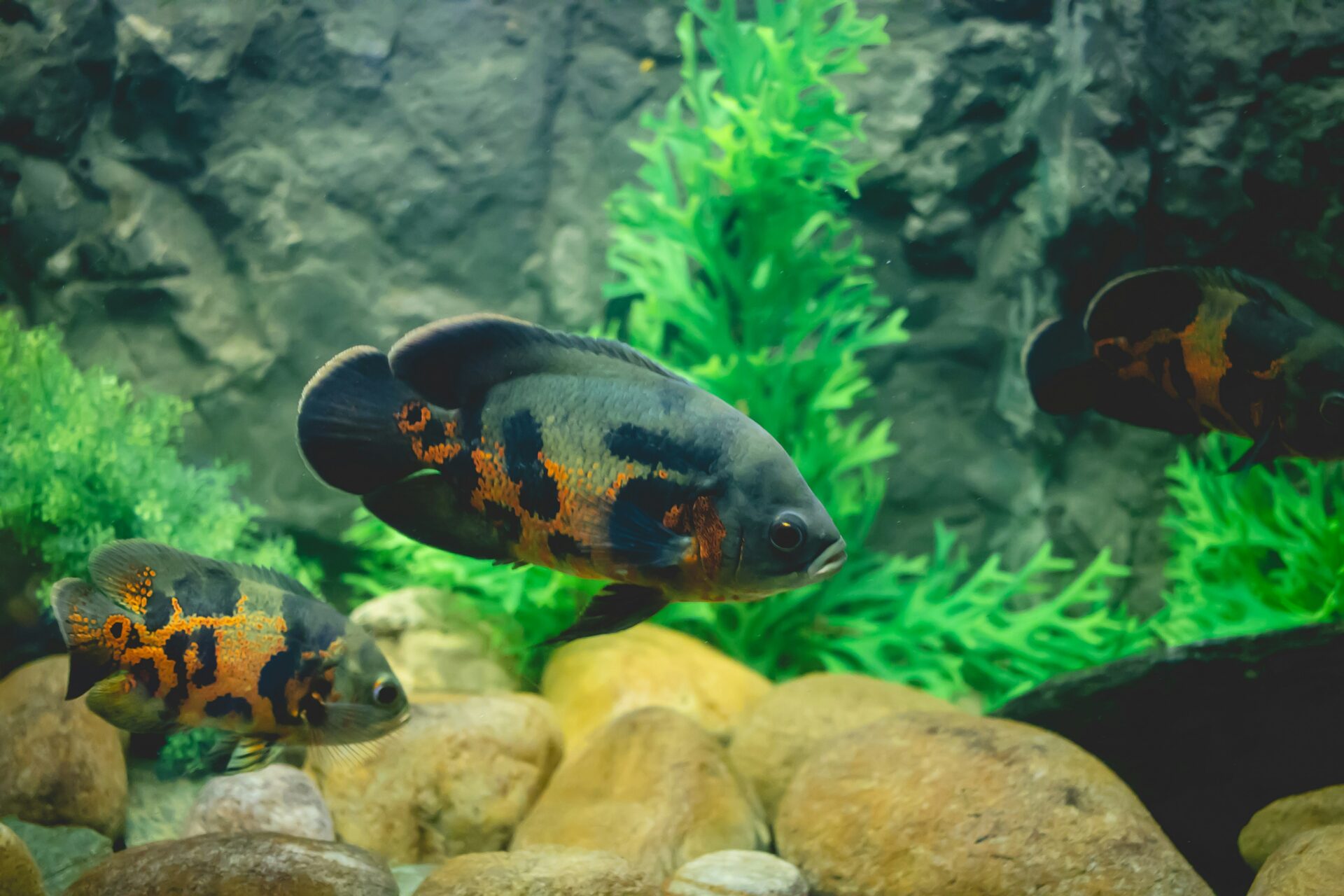
Among the most concerning findings was the identification of 45 species in the trade flagged for conservation concern by the IUCN, including 20 listed as threatened and 25 with declining population trends. Of these, 38 were only available from wild sources.
The study’s authors stress that this isn’t a call to end the marine ornamental trade, but rather a call to reform it.
“The marine aquarium trade can provide important income for coastal communities in the tropics,” said Lin. “But it needs to be based on sustainable practices that protect both biodiversity and livelihoods.”
While the study focused on the US market, Lin also acknowledged that Australia – among the top 20 global importers of live ornamental fish – faces similar challenges.
“When sourcing practices are opaque and regulations are patchy, we’re left guessing about the real environmental cost of each fish,” he said.
This research now underscores the urgent need for stronger regulation, better traceability, and a shift in consumer awareness. It also highlights a clear opportunity: to develop a more transparent and sustainable marine aquarium industry, built on ecological responsibility and respect for the reef communities that supply it.
“We hope this work sparks action – among policymakers, traders, and hobbyists alike,” said Lin. “It’s time to rethink what it means to bring the ocean into our homes.”
The published study ‘Extent of threats to marine fish from the online aquarium trade in the United States’ can now be read at Conservation Biology.


"*" indicates required fields
Printed editions
Current issue
Back issues


Enjoy so much more from Oceanographic Magazine by becoming a subscriber.
A range of subscription options are available.
