New ocean chemical pollution study raises human health concerns
A global study reveals widespread human-made chemicals in the oceans, while a new campaign and Netflix documentary warn plastic-associated toxins are emerging as a major, under-recognised threat to human health.
A global analysis of seawater has revealed the pervasive reach of human-made chemicals across the world’s oceans, with coastal and estuarine environments bearing the heaviest burden – findings that scientists say are increasingly tied to a broader and more urgent public health concern.
The study, published on March 16 in Nature Geoscience, examined more than 2,300 seawater samples collected between 2017 and 2022, making it one of the most comprehensive chemical meta-analyses of the marine environment to date.
Led by researchers at the University of California, Riverside, with contributions from scientists at the Scripps Institution of Oceanography, the work highlights the widespread presence of industrial compounds that are rarely included in routine monitoring.
From plastic additives and synthetic fragrances to pharmaceuticals and pesticides, the findings paint a stark picture of the ocean as a repository for decades of human chemical output.
“The human footprint is in everything,” said Lihini Aluwihare, a chemical oceanographer at Scripps and co-author of the study. “What determines whether you find it is whether you look for it in your data.”
The research team focused on dissolved organic matter – a vast and complex pool of carbon-based molecules fundamental to marine food webs and the ocean’s role in carbon storage. While scientists have long known that human activity alters this chemical mix, previous studies have typically been limited in scope, targeting only a narrow range of known pollutants.
In total, 248 human-derived compounds – known as xenobiotics – were identified using high-resolution mass spectrometry. Industrial chemicals dominated, with plasticisers, UV filters commonly found in sunscreen, and synthetic fragrances among the most frequently detected. Notably, the five most prevalent industrial pollutants appeared in over 30% of all samples, including those taken far from land in the open ocean.
By contrast, concentrations of pharmaceuticals and pesticides were highest near densely populated shorelines before declining sharply offshore.

In other news




Across the dataset, xenobiotics accounted for around 2% of detected compounds on average. However, this proportion varied dramatically by environment. Estuarine samples were the most contaminated, with human-made chemicals comprising up to 76% of detected compounds.
In the open ocean, the figure ranged from 0.5% to 4%, while certain coral reef locations also exhibited notable contamination. Samples from Puerto Rico, the Caribbean Netherlands and Hawaii showed xenobiotic proportions of approximately 20%, 11% and 10%, respectively.
Although the relative share in offshore waters may appear low, researchers warn that their widespread presence signals a deeper, global-scale issue – one with uncertain ecological consequences.
“Determining whether the presence of these molecules has in some way altered or reshaped the way marine ecosystems function is the big next step,” said Aluwihare. “Xenobiotics are widespread, so whatever ecological impacts they are having are also likely to be widespread.”
Key questions remain over whether these compounds persist long-term in the marine environment or are continually replenished by ongoing human activities such as shipping.
The authors caution that their findings likely underestimate the true scale of contamination. Certain classes of pollutants, including PFAS and PCBs, are not captured by the analytical techniques used, while others remain absent from existing chemical reference libraries.
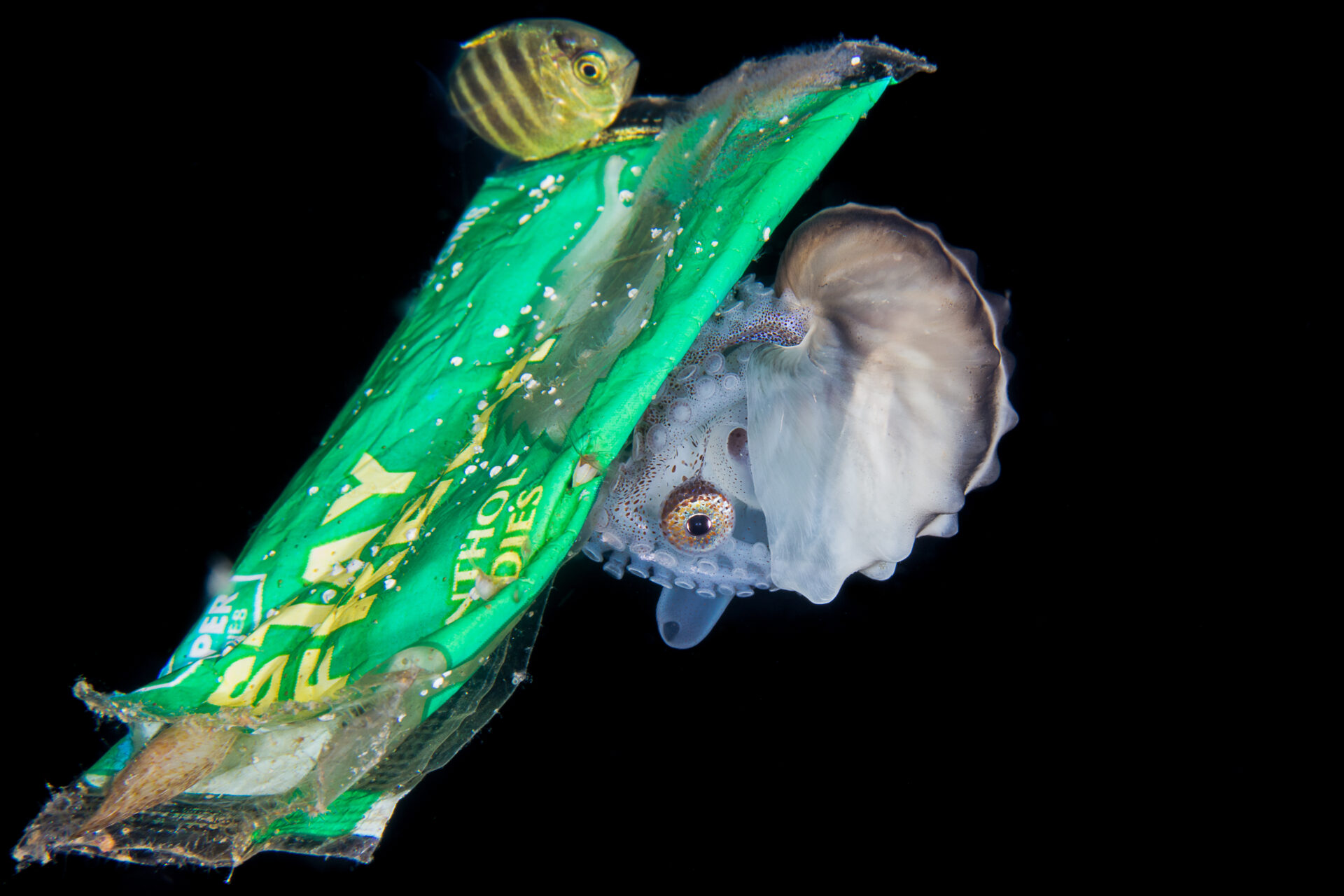
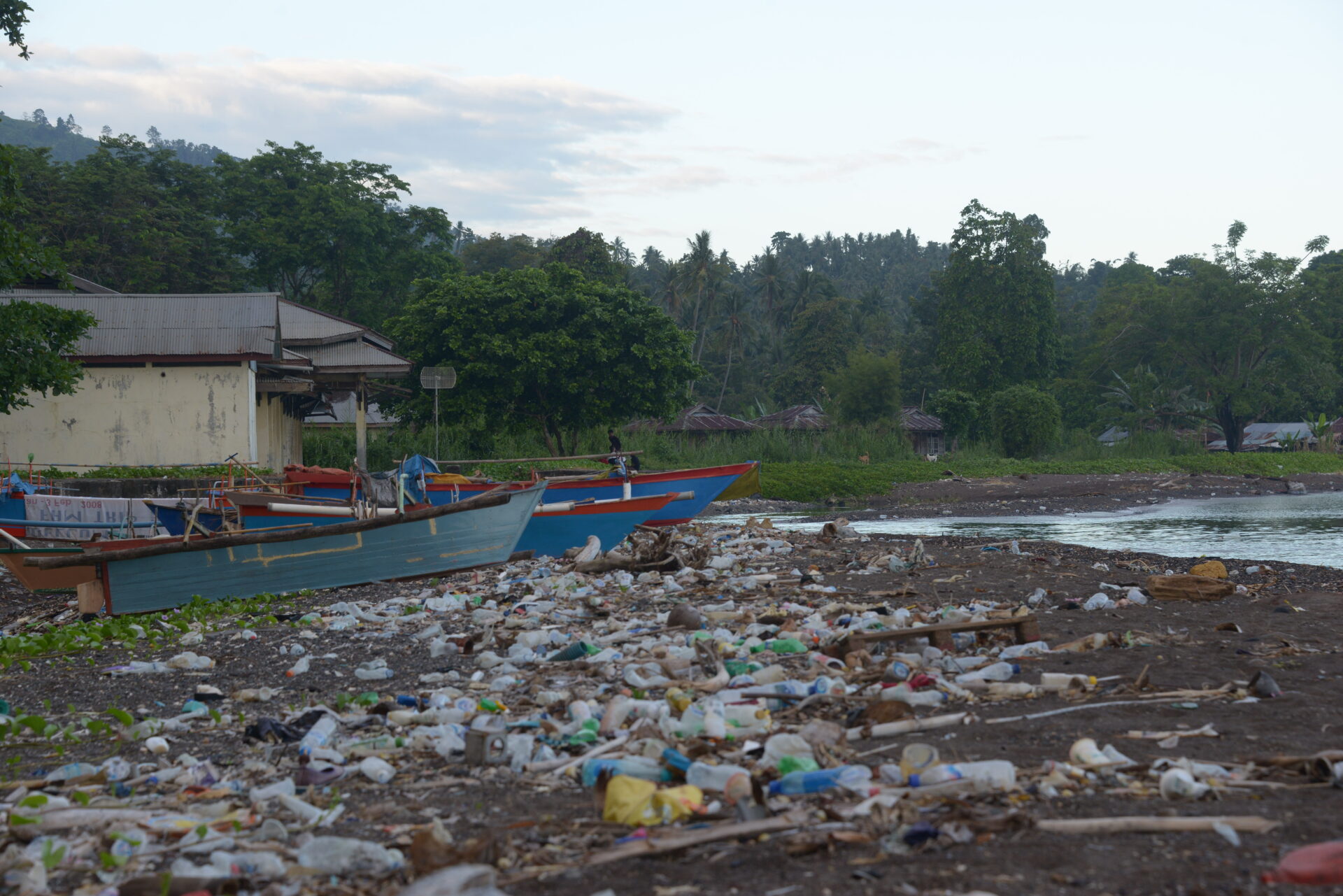
The study’s findings arrive amid mounting concern that the same chemical pollutants saturating the oceans are also entering – and potentially disrupting – the human body.
Campaigners and scientists, including those at A Plastic Planet, warn that plastic-associated chemicals are driving what they describe as an emerging global health crisis – one that has so far been under-recognised by policymakers.
While plastic pollution has long been framed as an environmental issue, advocacy groups argue that legislation has largely focused on waste management and marine debris, rather than the biological impacts of plastic-derived chemicals.
Researchers have now identified more than 16,000 chemicals used in plastics, including over 4,000 known hazardous substances. Many thousands more remain poorly understood, and only a small fraction are currently regulated.
A growing body of evidence suggests that several of these compounds – including phthalates, PFAS (‘forever chemicals’) and bisphenols – act as endocrine disruptors, interfering with the body’s hormone systems and potentially affecting development, fertility and long-term health.
Sian Sutherland, co-founder of A Plastic Planet, said: “For years plastic pollution has been framed as an environmental issue, but the science shows us a deeper reality – plastic chemicals are entering our bodies and disrupting with our biology. It is the next global health crisis and governments are ignoring the decades of scientists ringing the alarm.
“When even our babies are exposed to these toxic chemicals from the moment of conception, impacting the future health of entire generations, we must learn that plastic crisis is not about waste in some faraway land but the pollution in our own bodies. This new documentary, The Plastic Detox, shows us how the true extent of plastic chemical impact, reducing fertility to such low levels that IVF becomes the norm”.
Accompanying the campaign is a new documentary, The Plastic Detox, released on Netflix, which explores the scale of chemical exposure and its potential consequences for human health. The film brings together scientific research and personal accounts to highlight how deeply embedded plastic-derived compounds have become in everyday life.
“But there is good news. Safer materials already exist. What is needed now is regulations that push industry to switch faster, investing in materials and systems that are safe for nature and for humans,” Sutherland added.
As evidence continues to mount – from the chemistry of the open ocean to the biology of the human body – scientists and campaigners alike are calling for a shift in how plastic pollution is understood and addressed. Not only is this an environmental challenge, but “a defining public health issue of the 21st century”.


"*" indicates required fields
Printed editions
Current issue
Back issues
Enjoy so much more from Oceanographic Magazine by becoming a subscriber.
A range of subscription options are available.
