Oceanic whitetip sharks win historic trade ban in major CITES push
CITES CoP20 granted oceanic whitetip sharks full international trade protection, marking an historic win for sharks and rays and offering hope for recovery amid severe population declines.

In a defining moment for global ocean conservation, nations at the CITES CoP20 meeting in Samarkand, Uzbekistan last week voted to grant the critically endangered oceanic whitetip shark the highest level of international protection – an Appendix I listing that effectively bans all commercial trade.
It was a decision marking one of the most significant advances for shark conservation in the 50-year history of the treaty and caps an unprecedented wave of support for threatened marine species.
The vote comes amid alarming declines among pelagic sharks, whose populations have plummeted by more than 70% in just half a century. Oceanic whitetips – once among the most abundant open-ocean predators – have been driven to the edge of extinction, largely by the global fin trade.
Deemed as a last hope for the species by many, the vote has re-established optimism that the oceanic whitetip may now be spared from extinction.
But the vote last Thursday was more than a single-species victory. It was part of what conservationists are calling the most ambitious package of shark and ray proposals ever presented at CITES – and every one of them passed.
Luke Warwick, Director of Shark and Ray Conservation at the Wildlife Conservation Society, hailed the moment as a turning point.
“This is a landmark victory, and it belongs to the Parties who championed these protections,” Warwick said. “Countries across Latin America, Africa, the Pacific, and Asia came together in a powerful show of leadership and solidarity, passing every shark and ray proposal tabled for the CoP covering over 70 species.”
“These decisions could not be more urgent,” he added. “Sharks and rays are the second most imperilled group of species on the planet, and many are running out of time. These animals are vital to the health and balance of our oceans… Today’s votes give them a real chance at recovery. The world chose action over extinction.”
In other news

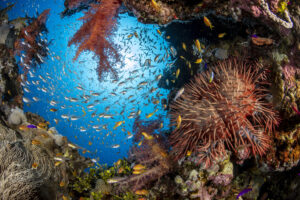

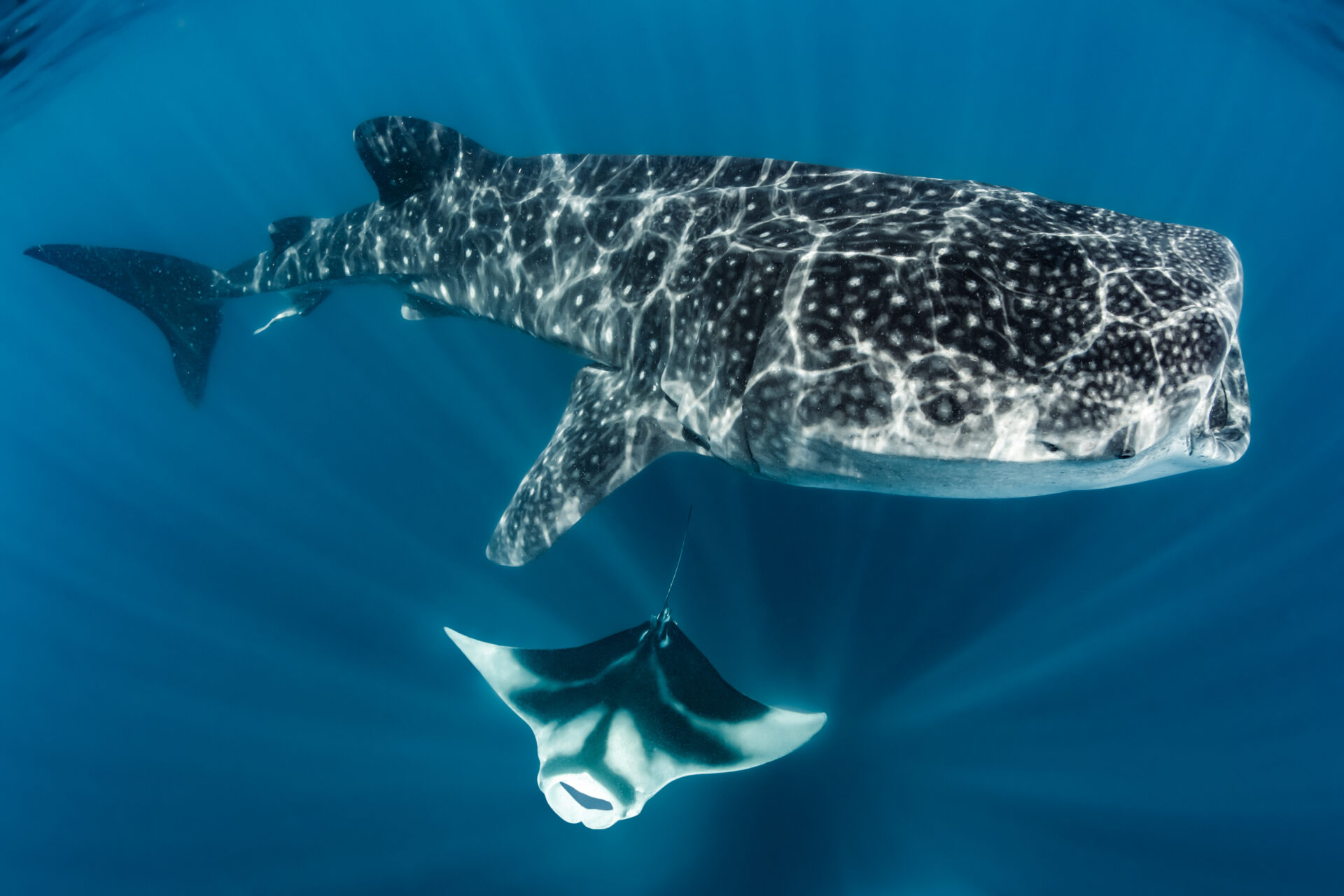
More than 50 governments co-sponsored the slate of proposals, which conservation experts say close long-abused loopholes in the global trade of fins, gill plates, meat, and other products. The decisions include up-listing oceanic whitetip sharks, manta and devil rays, and whale sharks to an Appendix 1 listing – or a ‘full commercial trade ban’.
Meanwhile, wedgefish and giant guitarfish has been placed under ‘zero export quotas’ protections, meaning all exports of wild-caught specimens are now suspended; while gulper sharks, smoothhound, and tope sharks have been up-listed to Appendix II – regulated trade requiring permits and non-detriment findings.
Together, these measures represent what Warwick has described as “a real chance at recovery” for species already in free-fall. More than 37% of sharks and rays are now threatened with extinction, and reef sharks have become functionally extinct on one in five surveyed coral reefs worldwide.
With no other global agreement capable of regulating wildlife trade at this scale, CITES remains a crucial backstop against market-driven collapse.
By contrast, however, parties did reject a proposal to expand protections for all 17 species of eel, despite the mounting scientific warnings about global population declines. Japan – one of the world’s largest eel consumers – led the opposition, calling the measure excessive and unscientific. Delegates ultimately voted by secret ballot, with nearly 75% opposed.
It was a blow for eel advocates, including Andrew Kerr of the Sustainable Eel Group who called the vote ‘a win for short-term commercial and financial vision’ over long-term investment.
More than 3,000 delegates from 185 countries have convened in Samarkand for the 20th meeting of the Conference of the Parties, where governments weigh proposals aimed at ensuring international trade does not push wild species toward extinction.


"*" indicates required fields
Printed editions
Current issue
Back issues



Enjoy so much more from Oceanographic Magazine by becoming a subscriber.
A range of subscription options are available.
