Portugal and Colombia detail major marine protection plans
Announcements maintain the momentum of MPA lauched this week at the United Nations Ocean Conference which was led by French Polynesia which declared some five million square kilometres of the South Pacific will now fall under greater protection.

Leaders from Colombia have joined those from Portugal and the Sao Tome & Principe in Central Africa to announce a suite of new Marine Protected Areas, including those to protect two remote coral reefs in the Caribbean Sea, a region recognised for their diverse marine life.
The latest announcements help to maintain a building momentum of MPA announcements this week at the United Nations Ocean Conference which was led by French Polynesia which declared some five million square kilometres of the South Pacific will now fall under greater protection.
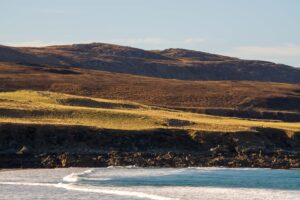
Portugal said on Wednesday this week it was creating a new protected marine area around the Gorringe Ridge in the Atlantic Ocean that includes Europe’s tallest seamounts, bringing the country’s total share of protected sea to 27% – putting it well ahead of many other European nations.
The announcement was made by the Environment Minister Maria da Graca Carvalho who said that with the Gorringe marine protected area some 200km off the southern coast of continental Portugal – with two other, smaller areas to be created – the share rises from its previous 19%.
“In terms of marine protection we are the most advanced country in the world with our characteristics combining continental and insular territory. Certainly a leader in Europe,” she said.
According to Emanuel Goncalves, chief scientist at Oceano Azul Foundation, which mapped the area with the Portuguese navy and whose findings informed the government’s decision, said the recommended MPA would total 100,000 square kilometres.
He said: “A large scale MPA like this, if fully protected, will functionally connect seamounts, abyssal plains, and open ocean and create a safe haven to highly mobile and migratory species, and deep sea habitats.”
The announcement was made on the same day Colombia made known its intentions to protect two remote coral reefs in the Caribbean Sea with the formation of MPAs across Serranilla and Bajo Nuevo, encompassing 3,800 square kilometres.
In other news

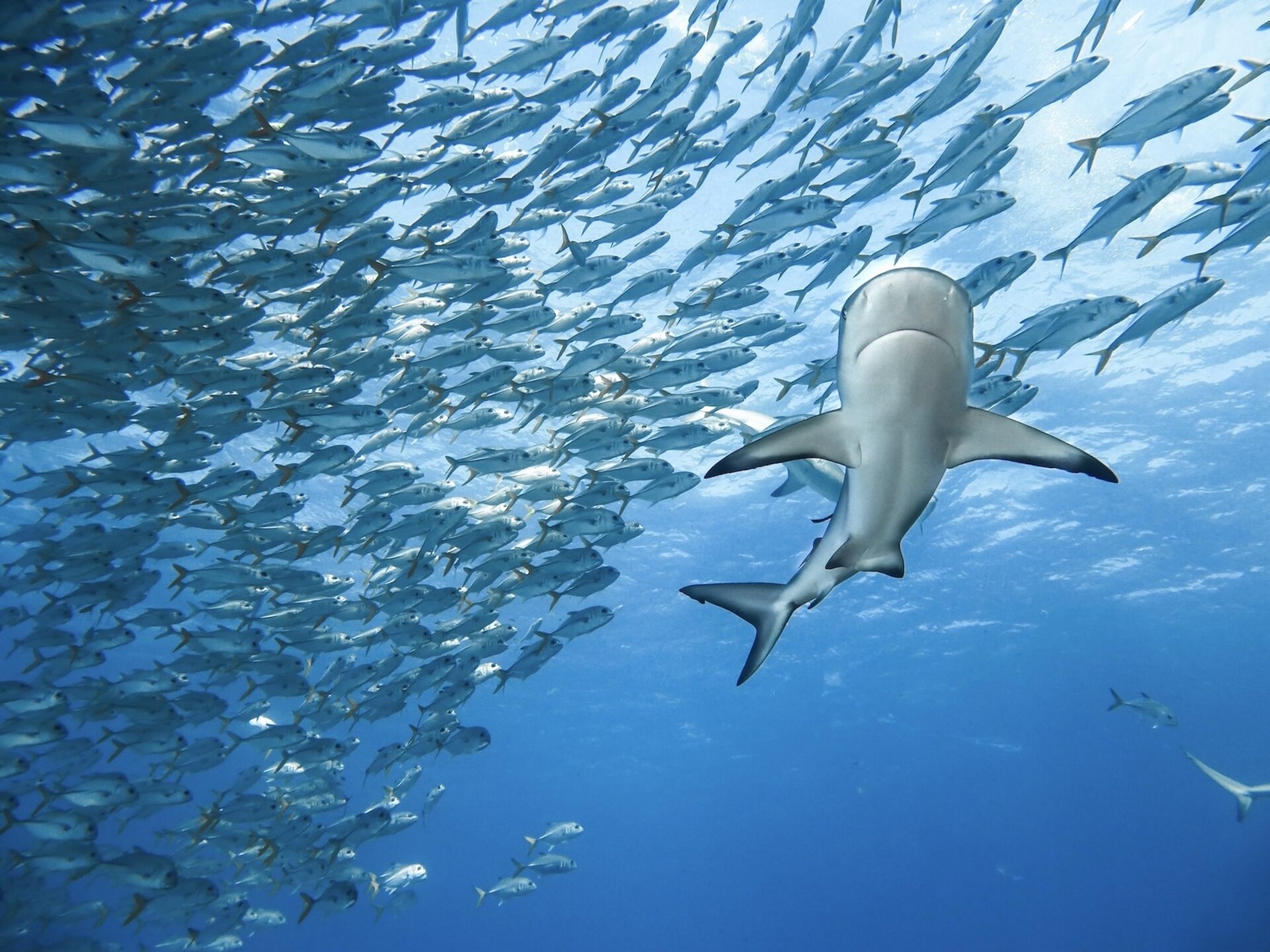
Colombia is one of the world’s ‘megadiverse’ countries, with a coastline 2,900km long. The country ranks first in bird and orchid species diversity and second in butterflies, freshwater fishes, and amphibians.
“This new reserve will strengthen our capacity to protect the biodiversity of the territory against pressure caused by fishing and preserve this territory as a protected area for our Raizal ethnic community and for the benefit of all,” said Quincy Alberto Bowie gordon, director of the corporation for the sustainable development of the Archipelago of San Andrés, Providencia, and Santa Catalina – a public entity that spearheaded the establishment of the new MPA.
“We are contributing our grain of sand to the commitment to protect 30% of our ocean by 2030. We hope that other countries participating in the United Nations Ocean Conference will join us in announcing bold measures to protect the waters that sustain life on Earth.”
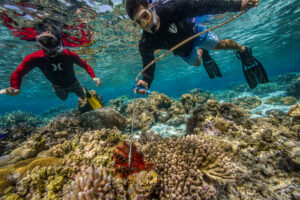
In 2022, National Geographic Pristine Seas partnered with the Colombian Ministry of Environment and Sustainable Development and the Colombian Ocean Commission for a scientific expedition to study the health of these ecosystems.
The team documented an array of life across Serranilla and Bajo Nuevo, including 150 species of fish, 40 species of coral, 25 different species of sponges, and 64 species of algae, 11 molluscs, and 17 seabirds.
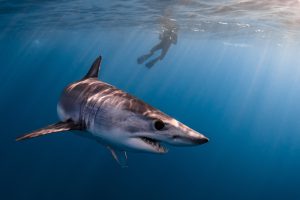
“Bajo Nuevo and Serranilla showcase Colombia’s incredible marine biodiversity at its finest – remote reefs where shark populations thrive and Caribbean corals still flourish,” said Juan S Mayorga, a marine scientist with Pristine Seas.
“These 3,800 square kilometres represent critical refuges for sharks and marine life that have been lost from much of the Caribbean. This designation is a major win for Colombian ocean conservation and shows what’s possible when science and local leadership come together.”
Meanwhile conservationists and coastal communities are celebrating today as the government of São Tomé and Príncipe in Central Africa reveals the pending designation of no fewer than eight new marine protected areas.
Addressing delegates of the United Nations Ocean Conference, the Minister of Environment, Youth, and Sustainable Tourism, Nilda Borges da Mata, said: “The very first MPAs have been created in the country. We have done this through the approval of a decree which is soon to be published in the official gazette. This is a pioneering process that will make a significant commitment to 30×30.”
The eight MPAs will cover approximately 93 square kilometres of marine habitat in the island of São Tomé and Príncipe, a positive first step towards the country’s commitment to achieving the global goal of protecting 30% of land and sea by 2030.
The MPAs include both highly restricted areas – that exclude fishing and the collection of other living and non-living resources – as well as sustainable use zones limited to artisanal fishers using legal gears.
Species such as manta rays and sharks will benefit from the protection in MPAs, as well as sea turtles, with turtle nesting beaches included within the protected areas.
The aim is to enable the recovery of marine life in the area, bringing benefits for nature, as well as for the local coastal communities who rely on fish for their food and livelihoods – but have seen a dramatic decline in fish stocks in recent decades, largely due to industrial and destructive fishing compounded by climate change.
José Pires Gomes, a fisherman from Terra Prometida, Principe Island, said: “The way things are now for us fishermen… when we catch the fish, we’re going to want to wipe everything out in one go, forgetting that we have our children and grandchildren coming up… the fishermen aren’t thinking about that right now.
“The protected area is very important because if it’s protected, the fish will reproduce, and no-one can get in there. When the fish reproduce, they start spreading to other areas. It’s a really important initiative.”
Fauna & Flora and its regional partners, Oikos, Marapa, and Fundacao Principe, have been working alongside local communities and the government to strengthen marine protection through the co-design of MPAs since 2018.
Community-led processes have helped to identify areas where protection of marine and coastal habitats would most benefit livelihoods, with 41 coastal communities engaged across more than 200 meetings and events.
Pedro Ramos, São Tomé and Príncipe officer, Fauna & Flora, said: “These new MPAs are a key example of how countries can meet their 30×30 biodiversity targets in a way that benefits both people and nature.
“Central to the project has been working hand in hand with local communities, governments, and our regional partners to find solutions that not only address the drivers of marine biodiversity loss, but that actively improve people’s lives and livelihoods in the area.
“We now look forward to working with communities and partners to effectively implement the MPAs and watching our local marine life rebound.”


"*" indicates required fields
Printed editions
Current issue
Back issues


Enjoy so much more from Oceanographic Magazine by becoming a subscriber.
A range of subscription options are available.
