Royal Navy captures footage of thriving oyster reef in the Solent
Captured using a specialist Remote Operated Vehicle (ROV), the imagery reveals a thriving underwater landscape teeming with life - evidence that oysters have successfully settled and begun forming a self-sustaining reef system in just two years.

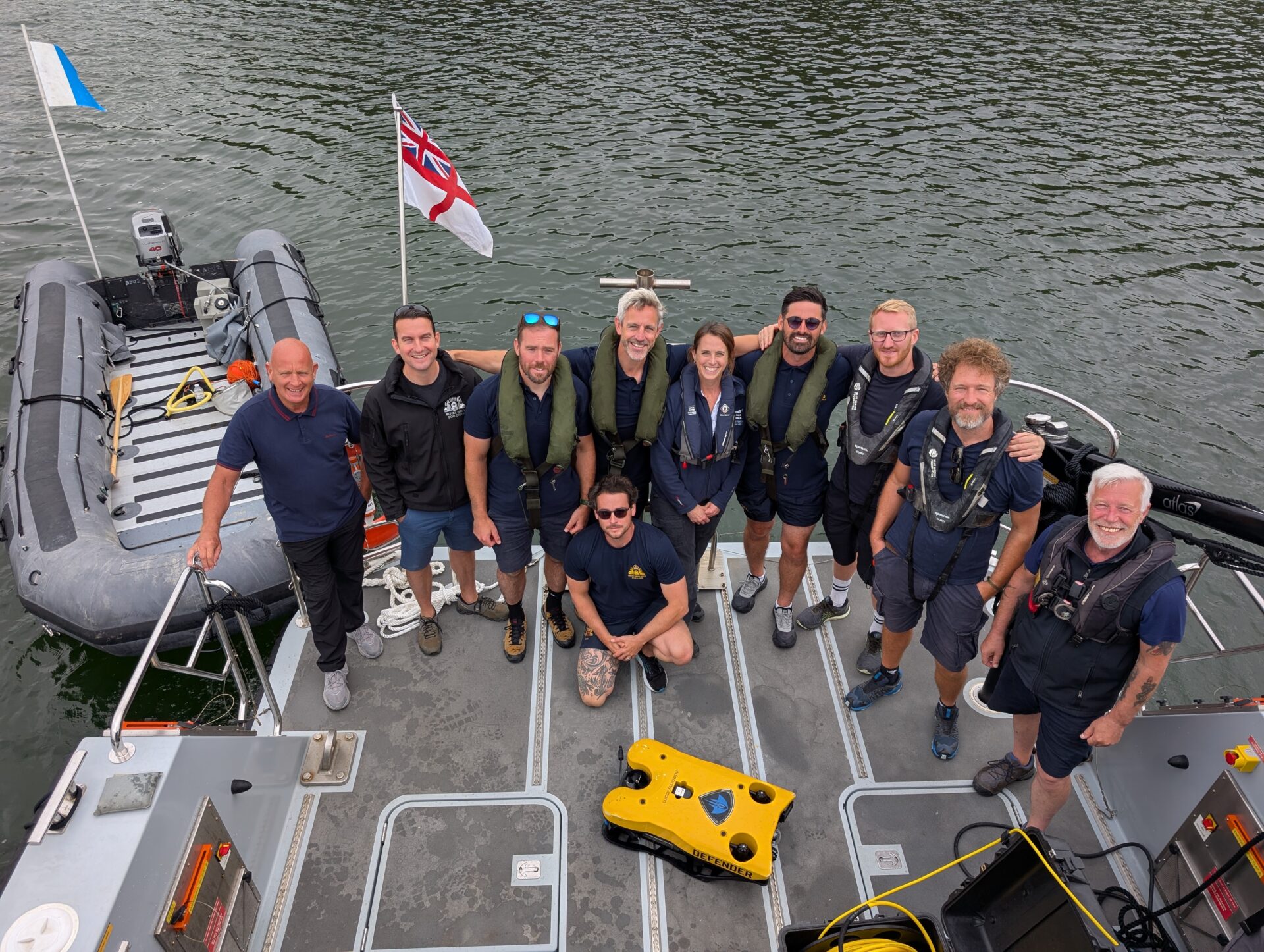
In a groundbreaking collaboration between conservationists and the military, the Solent Seascape Project, led by the Blue Marine Foundation (BLUE), has joined forces with the Royal Navy’s Diving & Threat Exploitation Group (DTXG) to unveil striking evidence of native oyster recovery in the Solent.
Supported by the River Hamble Harbour Authority, the partnership has yielded the first-ever continuous underwater footage of the River Hamble oyster reef – a vibrant, football-pitch-sized ecosystem now home to an estimated 30,000 native oysters.
Captured using a specialist Remote Operated Vehicle (ROV), the imagery reveals a thriving underwater landscape teeming with life – evidence that oysters have successfully settled and begun forming a self-sustaining reef system in just two years.
“It was amazing to get eyes on the reef for the first time in such detail,” said Dr Luke Helmer, Restoration Science Manager at Blue Marine Foundation. “We’re very grateful for the Royal Navy’s support in this endeavour. It was a wonderful surprise to see how quickly the reef community has flourished.”
The ROV survey explored both the restored reef and the surrounding seabed. The contrast was stark: areas seeded with oysters and reef-building material in 2023 were bursting with marine life, while adjacent unrestored zones appeared comparatively barren.
“We spotted sponges, a large spider crab and plenty of fish species in just a short dive,” added Dr Helmer. “It really highlights how important this habitat is – and how much we need it back.”
In other news



The operation underscores the ecological importance of oyster reefs for the health of the Solent’s coastal ecosystems. Each native oyster can filter up to 200 litres of water per day, improving water quality, stabilising sediment, and providing vital habitat for hundreds of other species. Yet, over the past two decades, this once-abundant population has been devastated by pollution, disease, invasive species, and over-extraction.
Launched in 2023, the River Hamble reef’s first phase saw 468 tonnes of gravel and shell spread over a quarter-hectare of riverbed to form a suitable foundation for oyster settlement. Some 15,000 native oysters were introduced, with a further 15,000 added this year – effectively doubling the reef’s size.
The results are already tangible.
“The Solent is our backyard for much of DTXG’s activity, and we take our environmental responsibilities seriously,” said Commander Rory Armstrong, Commanding Officer of DTXG. “This collaboration is a great example of the Royal Navy acting as a force for good in our home waters.”
The project also provides valuable training opportunities for Navy divers.
“Supporting such an impactful conservation project while giving our junior pilots hands-on experience with the ROV is a win-win,” said Leading Diver Dan “Boxy” Box. “It’s rewarding to contribute to the protection of Britain’s waterways while enhancing our operational skills.”
The Solent Seascape Project aims to restore four hectares of oyster habitat alongside other vital ecosystems, including seagrass meadows, saltmarshes, and seabird nesting sites. Funded by East Head Impact and the Endangered Landscapes & Seascapes Programme (ELSP) – managed by the Cambridge Conservation Initiative and funded by Arcadia – the project represents one of the UK’s most ambitious marine restoration efforts.
For the Solent, once the beating heart of Britain’s oyster industry, the return of these reefs is more than an ecological success – it’s the rekindling of a cultural legacy.


"*" indicates required fields
Printed editions
Current issue
Back issues

Enjoy so much more from Oceanographic Magazine by becoming a subscriber.
A range of subscription options are available.
