Seabird populations soar after Marshall Islands restoration success
Native forests are recovering and seabird populations are soaring on Bikar Atoll and Jemo Islet on the Republic of the Marshall Islands, progress recognised as a “significant step towards realising the vision” of the Islands, in which a resilient native ecosystem thrives.

Native forests are recovering and seabird populations are soaring on Bikar Atoll and Jemo Islet on the Republic of the Marshall Islands, thanks to the success of a campaign to remove damaging, invasive rats that came to completion last year.
The progress has been recognised as a “significant step towards realising the vision” of the Islands, in which a resilient thriving native ecosystem, ocean, and community is revived.
It was on a recent trip to the islands that researchers from Island Conservation, the Marshall Islands Marine Resources Authority, Ministry of Natural Resources and Commerce, and community members from Utrik Atoll confirmed that the 2024 campaign to remove invasive rates from the two atolls had been a success.
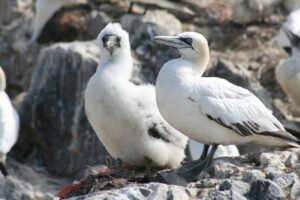
Teams found that native seabird populations were rebounding, restoring the vital nutrient connections between land and the sea in the process. It’s noted that nutrients from seabird guano boost soil fertility which is beneficial for native plant populations and enrich the surrounding reefs resulting in more fish and – ultimately – greater climate resilience for communities.
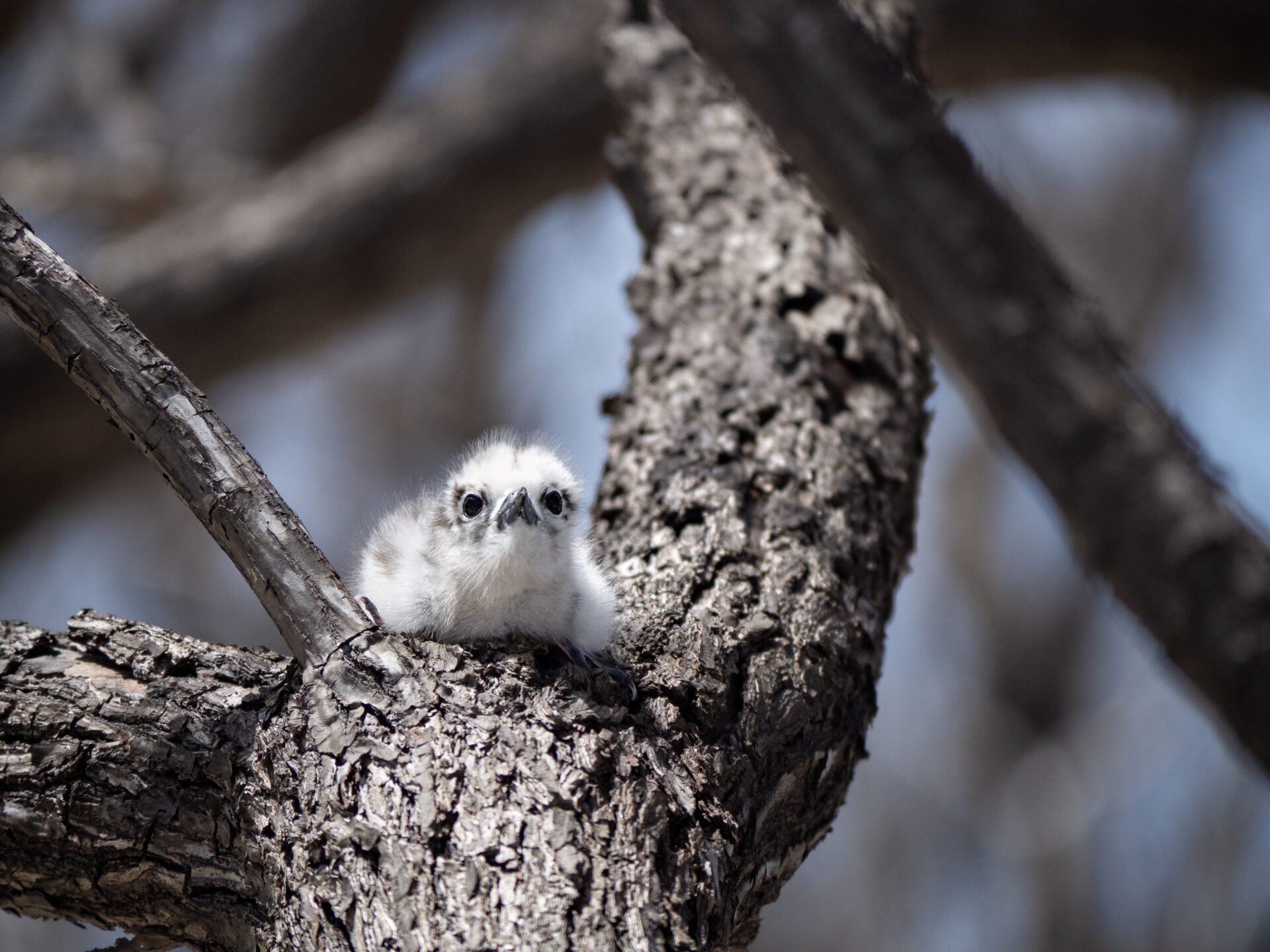
“After only one year, the transformation is dramatic. A colony of 2000 Sooty Terns, where there was previously none, were feeding hundreds of chicks,” said Island Conservation Project Manager, Paul Jacques. “We also counted thousands of native Pisonia grandis tree seedlings across just 60 one-metre-square plots on the forest floor – in 2024 we had found zero.”
Such native forests are crucial for seabird nesting and are critical to carbon absorption and the island’s ecological health.
With such ecological gains being made, the Republic of the Marshall Islands is a recognised leader in community-directed conservation by combining terrestrial restoration with marine protection. These gains are now permanently safeguarded within an expansive Marine Protected Area, established in January 2025. Spanning 48,000 square-kilometres, the MPA includes waters surrounding Bikar Atoll, where the restored terrestrial ecosystems will enrich marine habitats through nutrient runoff.
In other news
On a local level, the success of the restoration campaign holds a great meaning to the people of neighbouring atolls and island communities, including the residents of Likiep, who have used Jemo to gather natural resources for generations. In recent years, these resources dramatically declined due to invasive rats, making Jemo Islet unusable. Thanks to this restoration effort, Jemo can now support key life-sustaining crops for nearby island communities.
“Both Jemo and Bikar once held huge rookeries of seabirds and turtles. Now that rats have been removed, we look forward to the recovery of these colonies and the restoration of the vital natural processes that connect the deep ocean, the land, and reef,” said Byrelson Jacklick, Invasive Species Co-ordinator for the Marshall Islands Ministry of Natural Resources and Commerce.
“The successful removal of rats from Jemo and Bikar brings joy among traditional leaders and the people of Likiep, Utrik, and especially RMI Government. Big komol tata to Chief Boklon Zackios and the people of Likiep and Utrik for their blessing on this work to achieve an important milestone under the RMI National Invasive Species Strategy and Action Plan.”
The teams behind the project believe the success here now sets a powerful precedent for future efforts through the Republic of the Marshall Islands. In fact, feasibility assessments are now underway for Bokak Atoll, a asemi-arid ecosystem similar to Bikar. Bokak also lies within the Marine Protected Area and all three of these projects in the Republic of the Marshall Islands – Jemo, Bikar, and Bokak – are united by their membership in the Island-Ocean Connection Challenge, a volunteer collective created by Island Conservation, Scripps Institution of Oceanography, and Re:Wild to restore and re-wild 40 globally significant island-ocean ecosystems by 2030.
“Our Marshallese friends continue to add restored, pest-free islands to their list of achievements,” said the Secretariat of the Pacific Regional Environment Programme Invasive Species Adviser, David Moverley.
“Participating in the first rat removal workshop in Tonga ten years ago allowed them early on to achieve successful eradications on small islands by themselves. Now, with modern technology and expert technical support from our partner Island Conservation, they are really pushing the boundaries and people are starting to realise the treasures that abound within the Marshall Islands and the opportunities that they present.”


"*" indicates required fields
Printed editions
Current issue
Back issues


Enjoy so much more from Oceanographic Magazine by becoming a subscriber.
A range of subscription options are available.
