Seagrass has been a keystone of civilisation since Old Stone Age
Trawling through some of the oldest records of the relationship between humans and seagrass known to both scientists and historians, a new study has gone lengths to illustrate just how essential meadows have been to human societies across the ages.

While projects to restore and preserve seagrass meadows left degraded by the onslaught of human-induced climate change and the headlines they are grabbing right now may appear to be pretty recent developments, the vital role it has played in civilisation is one that dates as far as 180,000 years, to the era of the hunter-gatherer.
Trawling through some of the oldest records of this relationship known to both scientists and historians, a new study – led by researchers from the Central American Scientific and Technical Council – has gone new lengths to paint an image of just how essential seagrass meadows have been to human societies across the ages.
And it turns out that for thousands of years – dating as far back as the Middle Paleolithic era, approximately 180,000 years ago – marine plants have been integral to human (or hominid) life; whether that is as a source of food or used as a material in the production of tools proven essential to the formation of societies – including as stuffing for pillows and mattresses.
It’s all been laid bare in the scientific journal Ambio in which the relationship between seagrass meadows and humanity has been examined, from 180,000 years back right up to today. Whether that has been used as food for humans and livestock, been used as fertilisers, medicines, toolmaking and construction, or in cultural customs one thing is certain – seagrass has played a crucial role in humanity’s journey from then to now.
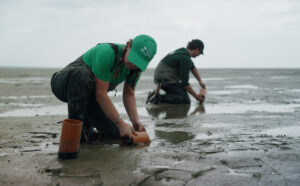
Among its highlights is the study’s finding that seagrass meadows were once considered a direct source of food for coastal communities in North and Central America as well as the Indo-Pacific where civilisations consumed their leaves, fruits, or seeds while indirectly they have served as a food source, supporting populations of fish and shellfish.
Neanderthals were already harvesting mollusks from seagrass meadows around 120,000 years ago; 6,000 years ago and people in Arabia already knew that their rabbitfish fishery depended on the health of these meadows; while the harvesting of sea cucumbers – a major export from Australia and many parts of Oceania – has been and is closely linked to these underwater ecosystems.
There are then accounts of seagrass being used in the making of containers, such as food storage baskets – a process made possible over the centuries thanks to their natural anti-parasitic and antimicrobial properties, the same characteristics that made them ideal for use as stuffing for pillows and mattresses – giving rise to an entire industry in Europe.
In other news

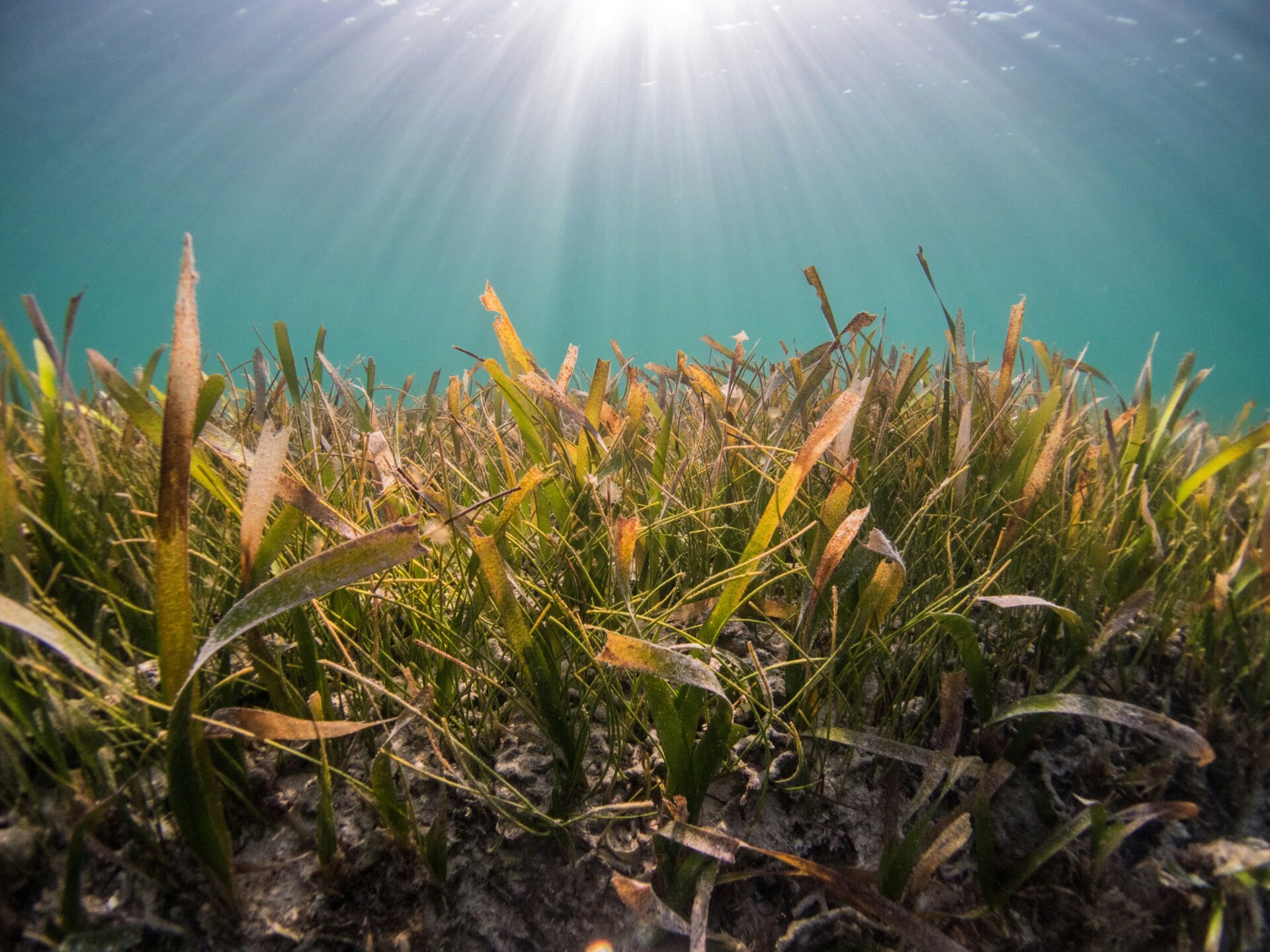
The many uses and functions within society found for seagrass has continued through the ages, spanning their use in traditional medicine by the ancient Egyptians, construction in Crete, and even ceremonial use as early as the Bronze Age when it was used as insulation in tombs and funerary urns.
It’s according to the research team that recognising the benefits seagrass meadows have provided society outside their role in carbon capture and water filtration could just help foster appreciation for marine plans and go the distance to promote their conservation and restoration.
Nicole Forster, lead author of the study and a researcher at the Blanes Centre for Advanced Studies, said: “Seagrass meadows have been intertwined with human history for thousands of years. We typically focus on their ability to store carbon and sustain marine life. Although these are basic ecosystem services, we shouldn’t forget their direct relationship with people.
“By recognising this role – whether in material products, medicines, or even spiritual beliefs and art – we can begin to value them for their social and cultural benefits as well. This can hopefully help give them the recognition they deserve and lead to greater awareness of the need to care for them.”
The scientific team has also gathered information on the current and potential uses of seagrass meadows. Their potential is continuing to be explored in food processing, both for livestock and humans (including haute cuisine), as well as in the production of natural fertilisers and biodegradable materials.
Products such as mobile phone cases are already being manufactured from marine plant remains that wash up on the coast, while their use in food packaging – inspired by traditional practices of indigenous communities – is now being considered.
For uses like this to contribute to their conservation rather than over exploitation however – the study stresses – a balanced and sustainable approach is essential.
“The use of these resources must be intelligent and well-managed, ensuring that it does not harm the meadows but instead contributes to their conservation and regeneration – along with their ecological benefits – for future generations,” the study’s authors emphasise.
The article, Societal value of seagrass from historical to contemporary perspectives has now been published in the journal Ambio.


"*" indicates required fields
Printed editions
Current issue
Back issues

Enjoy so much more from Oceanographic Magazine by becoming a subscriber.
A range of subscription options are available.
