Sussex seabed shows early revival five years after trawling ban
Five years after a trawling ban by the Sussex Inshore Fisheries and Conservation Authority, the Sussex seabed shows early recovery, with mussel beds returning and fish populations beginning to rebuild.
Five years on from a landmark ban on bottom trawling, early signs of ecological recovery are beginning to surface along the Sussex coastline, as scientists and fishers report encouraging changes beneath the waves.
Introduced in 2021 by the Sussex Inshore Fisheries and Conservation Authority, the Nearshore Trawling Byelaw removed destructive bottom trawling from more than 300 km² of seabed. Now, on its fifth anniversary, evidence suggests the measure is beginning to deliver tangible benefits for marine habitats and coastal communities.
Once home to extensive kelp forests stretching from Selsey to Shoreham-by-Sea, the Sussex seabed had undergone dramatic decline in recent decades. By 2019, an estimated 96% of kelp had disappeared, driven by a combination of trawling, marine heatwaves, storm disturbance, and sedimentation.
Today, that narrative is beginning to shift.
At the centre of the recovery effort is the Sussex Kelp Recovery Project, a wide-ranging collaboration between scientists, conservationists, fishers, policymakers, and local communities. The initiative – the largest marine rewilding project in the UK – is working to monitor and support the natural regeneration of this once-thriving ecosystem.
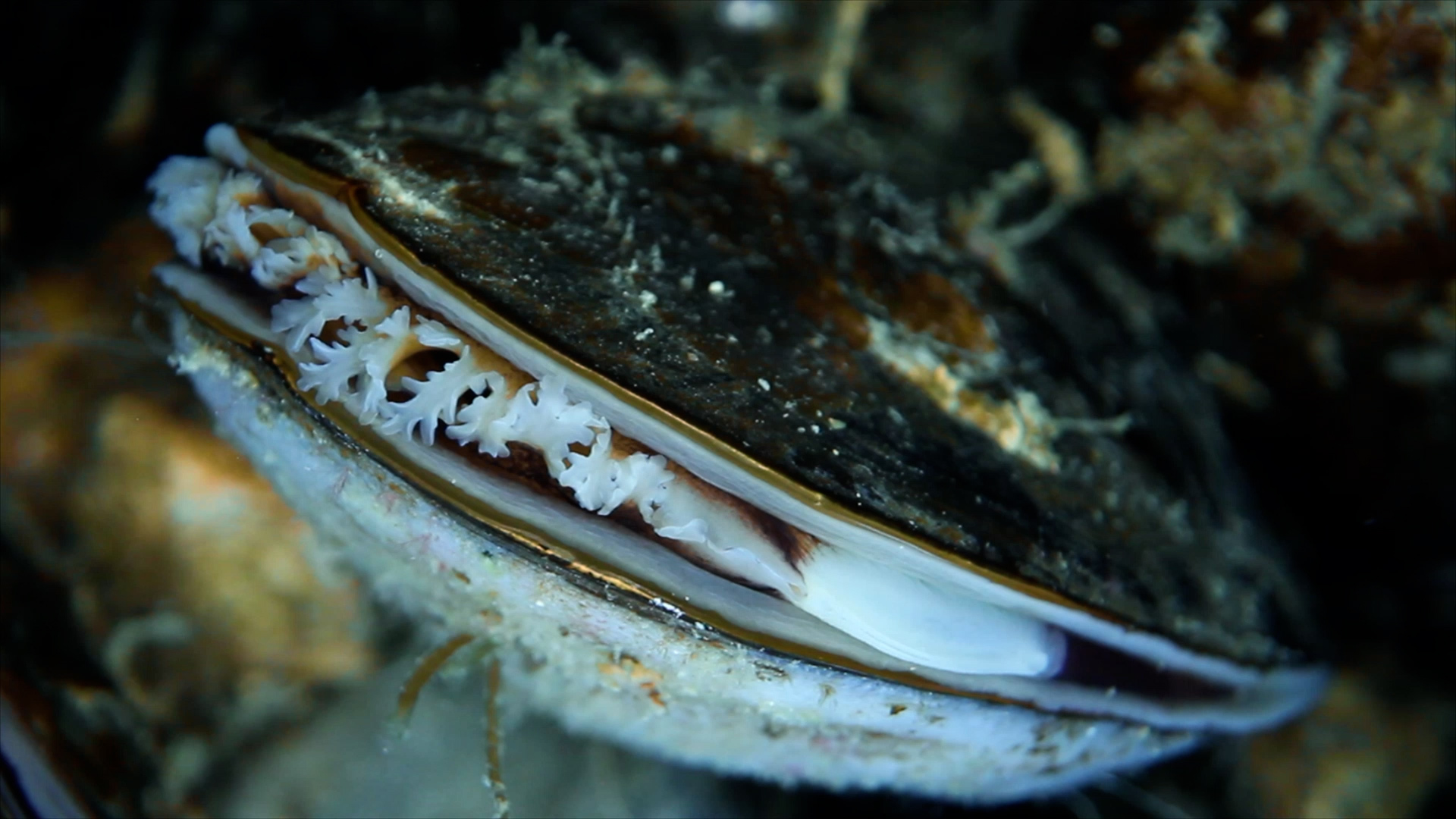
Early indicators point to a slow but meaningful return of marine life. Mussel beds, in some cases extending over a kilometre, are re-establishing themselves across parts of the seabed, while populations of commercially important species such as Black Sea Bream are showing signs of increase.
“These first shifts matter,” says Ray Ward, Reader in Marine Sciences at Queen Mary University of London. “I’ve seen mussel beds covering huge areas – and it’s these structures that young kelp spores will attach onto.”
“The natural recovery of our seabed, and the associated benefits for marine life and communities, will take time. Rewilding is a long journey – it doesn’t happen overnight, but it is one we hope to see the large-scale, natural recovery of a robust and resilient marine ecosystem. Seeing increases in a commercially important species like the Black Sea Bream through our underwater video surveys is a promising start.”

In other news


For local fishers, the changes are already becoming visible.
“In 1999 I gave up fishing because I couldn’t make a living anymore,” recalls Bognor Regis inshore fisherman, Clive Mills. “You can’t keep fishing everything for today. There’s got to be something for tomorrow.”
Now, more than two decades later, that future could just be taking shape.
“I’ve seen steady increases in Bream stocks and more widely distributed shoals,” says Mills. “And more Bass – both juvenile and large. Marine life appears to be on an upturn.”
The 2021 byelaw marked a turning point for Sussex’s marine environment, granting fragile habitats – including kelp forests, chalk reefs, and mussel beds – the space to recover after years of intensive pressure. But researchers caution that protection alone is not enough.
Ongoing threats, including pollution, sedimentation, overfishing, and climate-driven marine heatwaves, continue to pose risks to long-term recovery.
‘There are a range of pressures that we’ve got here in our UK marine environment, including here in Sussex. And that’s things such as pollution, increased sediment levels, and overfishing, as well as the impacts of climate change and the associated marine heat waves.’ says Dr Ward.
Despite these challenges, conservationists remain optimistic about the resilience of marine ecosystems when given the opportunity to regenerate.
‘There is so much evidence from around the world that if you protect the marine environment, then life can bounce back.’ says Clare Brook, CEO of Blue Marine Foundation. ‘If you protect nature and give it the space to regenerate, then that is exactly what it does.’
Five years after the trawling ban, the Sussex seabed remains at the beginning of a long recovery journey. But as mussel beds expand and fish populations return, the first signs of renewal suggest that, given time, a more resilient and biodiverse seascape may once again take hold.


"*" indicates required fields
Printed editions
Current issue
Back issues


Enjoy so much more from Oceanographic Magazine by becoming a subscriber.
A range of subscription options are available.
