The Philippines to protect planet's most climate-resilient coral reef
In a major development for ocean protection and a move that brings it closer to its goal of safeguarding 30% of its land and waters by 2030, the Philippines has declared the more than 60,000 hectares of ocean surrounding Panaon Island a Protected Seascape.

In a major development for ocean protection and a move that brings it closer to its goal of safeguarding 30% of its land and waters by 2030, the Philippines has officially declared the more than 60,000 hectares of ocean surrounding Panaon Island a Protected Seascape.
Welcomed by NGOs and environmental campaigners around the globe, the action taken by the Philippines government will both support local livelihoods and strengthen the country’s resilience to climate change now and into the future.
It’s a move that has been called a “policy milestone” by Oceana, a global NGO working closely with the local government to enhance ocean conservation measures across the Philippines, and has been championed for defending marine biodiversity, enhancing food security, and fighting poverty on a local level.
“Protecting the Panaon Seascape is a global achievement in conserving a unique and vital ecosystem, while also securing the well-being of present and future generations,” said Von Hernandez, Oceana’s vice president in the Philippines. “This is one of those rare places where coral reefs remain in excellent condition, and we now have a chance to keep them that way.”
Located in Southern Lyete within the Coral Triangle, Panaon Island is part of a global portfolio of 82 reefs worldwide most likely to survive the impacts of climate change.
Coral reefs across the Philippines have been in steady decline over the last four decades. An expedition led by Oceana back in 2020, however, found Panaon Island to be a unique exception, with coral cover reaching three times the national average.
Over the course of this 21-day expedition, Oceana documented a wealth of marine life including whale sharks, sea turtles, and endangered Philippine ducks. The surrounding mangroves and seagrasses – which support food security, protect against storm surges, and store climate-saving blue carbon – were also found to be in good condition.
However, alongside these signs of abundance, the team documented troubling evidence of overfishing, destructive fishing, and plastic pollution.
In other news
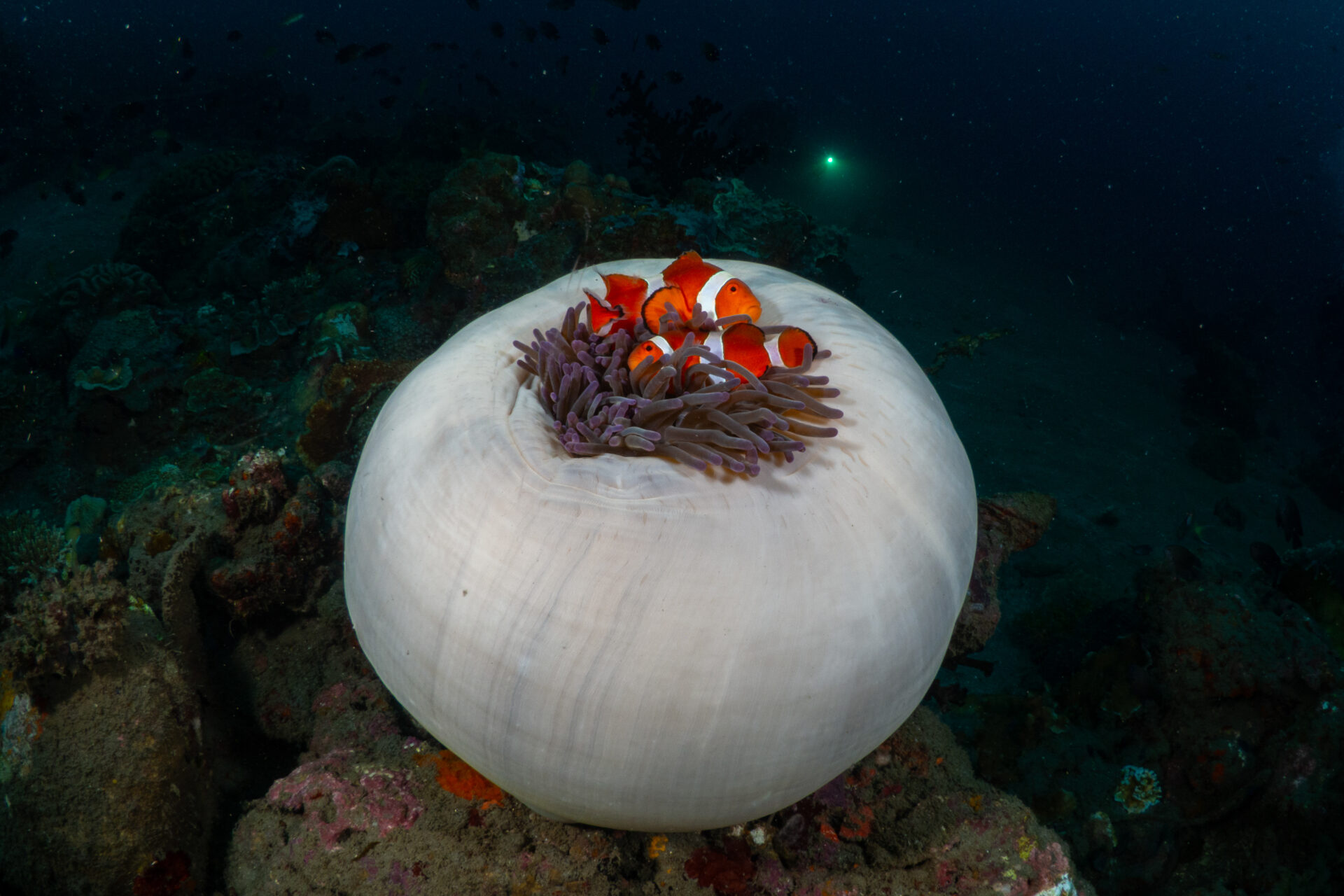
Oceana’s marine protected area campaign lead, Nikka Oquias has described the waters of Panaon as “teeming with life”, providing important breeding and nursery grounds for fish, allowing both marine life and people to thrive.
“With Panaon Island’s designation as a national protected area, communities and resource managers now have the needed legal framework and resources to strengthen the management and protection of this area,” she said. “The law also contains a site-specific provision that requires the enactment of guidelines to regulate vessel speed and protect the large marine mammals frequently transiting the area.”
The Protected Seascape will integrate marine conservation with sustainable human activities, providing what Oceana has described as a ‘balance of socio-economic development with conservation efforts’. The NGO played a key role in consulting with local communities and worked alongside them to present scientific findings to the Philippine government.
The new law will now require the development of a comprehensive management plan, created in partnership with local stakeholders, scientists, and government agencies to ensure that conservation efforts “yield tangible benefits for both people and nature.”
“Protecting the seas around Panaon Island helps us fishers greatly because – finally – there will be regular monitoring of our waters,” said Valdemar Mercado Jr, a fisher and village leader in Benit, San Ricardo town on the Island. “This will likely increase our fish catch and boost our income since destructive fishing practice – especially from outsiders – will be controlled.”
For Antha Williams, leader of the Environmental Programme at Bloomberg Philanthropies, the development is an example of how governments can turn commitments into real action.
“By safeguarding one of the world’s most climate-resilient reef ecosystems, the country is supporting coastal livelihoods and making vital progress towards its 30×30 target,” she said. “We’re proud to support efforts like the 50 Reefs Initiative, which makes this progress possible and helps shine a light on unique habitats in need of preservation.”


"*" indicates required fields
Printed editions
Current issue
Back issues
Enjoy so much more from Oceanographic Magazine by becoming a subscriber.
A range of subscription options are available.
