Trawl fishing is 'economic and climate time bomb' say UK scientists
More than 20 of the UK's leading names in marine science have signed an open letter to the UK government calling on the implementation of a promised blanket ban on bottom-trawl fishing across the UK's Marine Protected Areas before it's too late for the environment

Leading marine scientists have urged the UK government to ban destructive bottom-trawl fishing in the UK’s Marine Protected Areas (MPAs) and transform current protections from ‘little more than lines on a map’ to more robust means of enabling UK marine environments to recover from their ‘current states of degradation’.
The letter blasts the current protections offered to British waters, insisting that while bottom-trawl fishing persists within them, designated areas of marine protection simply won’t fulfil their potential to support thriving wildlife, sustainable jobs, and resilience to climate change.
“While the UK has designated more than 30% of its domestic waters as MPAs, almost all of these are currently little more than lines on a map, since they remain open to highly destructive bottom-trawling and dredging,” the letter reads.
The open communication has been signed by no fewer than 20 of the UK’s leading names in marine science, including Professor Martin Attrill, professor of marine ecology at the University of Plymouth, Professor Pip Moore, professor of marine science at Newcastle University, and Professor of Callum Roberts, professor of marine conservation at the University of Exeter and an Oceanographic columnist.
“These fishing practices are simply not compatible with meaningful marine protection,” states the letter.
Bottom-trawling is widely recognised by campaigners and environmentalists as an intensive and unselective fishing practice which involves dragging heavy nets across the seabed as they scoop up almost all life in their path. Studies indicate that just a single pass of bottom-contact fishing gear has been shown to reduce species richness of seabed invertebrates by 19% and diversity by 26%.
“In addition to their impact on marine life, bottom-towed fishing practices are highly carbon-intensive due to the amount of fuel needed to tow such heavy gear, and can erode the vast organic carbon stores found in seabed habitats,” the letter continues. “This is economically unsustainable as well as environmentally destructive, with bottom trawling in UK waters economically viable only thanks to existing government fuel subsidies.”
Of the actions taken by the government to date, byelaws introduced to restrict the use of bottom-towed fishing gear in four English MPA sites in 2021 and a further 13 in 2023 have been called a “welcome start”. However, in the majority of these cases, these byelaws provide only partial protection from destructive fishing practices as they apply to specific ‘features’ within the MPA rather than the MPA in its entirety.
This, according to marine scientists around the UK, “limits the ability of the features themselves” as well as the marine environment in general “to recover from their current degraded state.”
“The evidence is increasingly clear that to allow true recovery of marine life, protection should be on a whole-site basis, rather than in a piecemeal fashion around individual conservation features,” reads the letter.
In other news

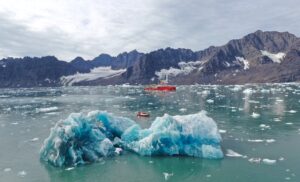
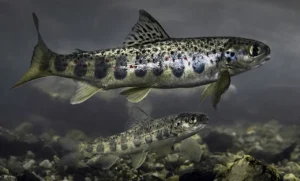



Within Lyme Bay, an area covered by MPA protection but still open to bottom-trawling, the total abundance of taxa over seven years has increased by just 15% compared to the 95% increase witnessed in an MPA fully protected from bottom-trawling.
The current state of affairs continues to move against the grain of the UK Labour Government’s pre-election promise of a blanket ban on bottom trawling, particularly that carried out by foreign vessels practicing in UK marine sanctuaries.
The government has since been accused of ‘weakening’ such pledges while stalling for time as attempts to reset the UK’s post-Brexit relations with the European Union are made. The letter, however, organised by the ocean advocacy group, Oceana UK, applies new pressure on the government to protect both Britain’s fishing industry and marine protected areas by shutting out EU vessels.
Hugo Tagholm, executive director of Oceana UK, told Oceanographic: “Destructive bottom-trawl fishing is bulldozing the UK’s marine ‘protected’ areas. Now, leading academics in marine science – from within the UK and globally – are stepping up to call for action.
“If this government wants thriving marine wildlife and flourishing coastal communities, it needs to act. We need to protect and grow our natural resources – safeguarding our marine protected areas will both boost fish populations and support coastal economies.”
The UK has still not yet implemented that blanket ban on bottom-trawl fishing, and recent rhetoric suggests a change of heart for what was at one time a line the Labour government was keen to pursue.
At Coastal Futures last month, Emma Hardy, the minister for water and flooding said the government would be “making progress on [managing fisheries in our MPAs], consulting thoroughly, engaging all of you here, and including our important fishing industry and avoiding blanket bans”.
But this, scientists say, won’t deliver on the UK’s commitment to protect 30% of the world’s ocean by 2030 by taking the right kind of action at home.
“Bringing UK seas back to life now requires banning bottom trawling across its MPA network,” reads their letter. “As your government consults on further protections for offshore MPAs in English waters, and ahead of the UN Ocean Conference in 2025, we urge you to lead by example in ensuring that these safe havens are wholly protected, and not in name alone.”


"*" indicates required fields
Printed editions
Current issue
Back issues



Enjoy so much more from Oceanographic Magazine by becoming a subscriber.
A range of subscription options are available.
