Two fin whales dead as Iceland's controversial hunt returns
Iceland's fin whaling fleet has killed its first two whales since 2023, ending a two-year pause and dashing hopes the country was moving toward a permanent ban on commercial whaling.
Two fin whales have been killed off the coast of Iceland after the country’s commercial whaling fleet resumed operations for the first time in two years, ending a pause that had raised hopes the country might be moving toward a permanent ban.
The vessel Hvalur 9 departed Reykjavik on Friday evening, harpooning two fin whales before returning to the whaling station at Hvalfjörður, where the animals will be processed. The kills, confirmed by Icelandic public broadcaster RÚV, mark the first fin whale deaths in Iceland since 2023.
The resumption comes despite growing domestic opposition to whaling and signals from Iceland’s government that it intends to introduce legislation to ban the practice later this autumn. A five-year whaling permit issued controversially by Iceland’s then interim government in 2023 means the current season’s catches are legal under Icelandic law.
“This was the sight we didn’t want to see,” said Sharon Livermore, Director of Marine Conservation at the International Fund for Animal Welfare. “Today, whalers in Iceland returned to harbour with two dead fin whales – these represent the first of many likely to be slaughtered this season. And this is just the beginning.”
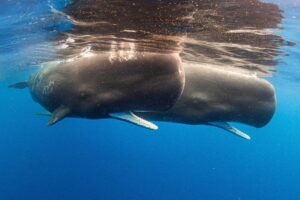
The fin whale is the second largest animal on Earth, after the blue whale, and is classified as globally vulnerable to extinction. Iceland has killed more than 1,000 fin whales over the past two decades. Iceland’s Marine and Freshwater Research Institute has recommended a maximum catch of 150 fin whales during the current season – a 28% reduction on the annual quota recommended for the period between 2018 and 2025 – alongside 168 minke whales, down 23% on the same period.

In other news

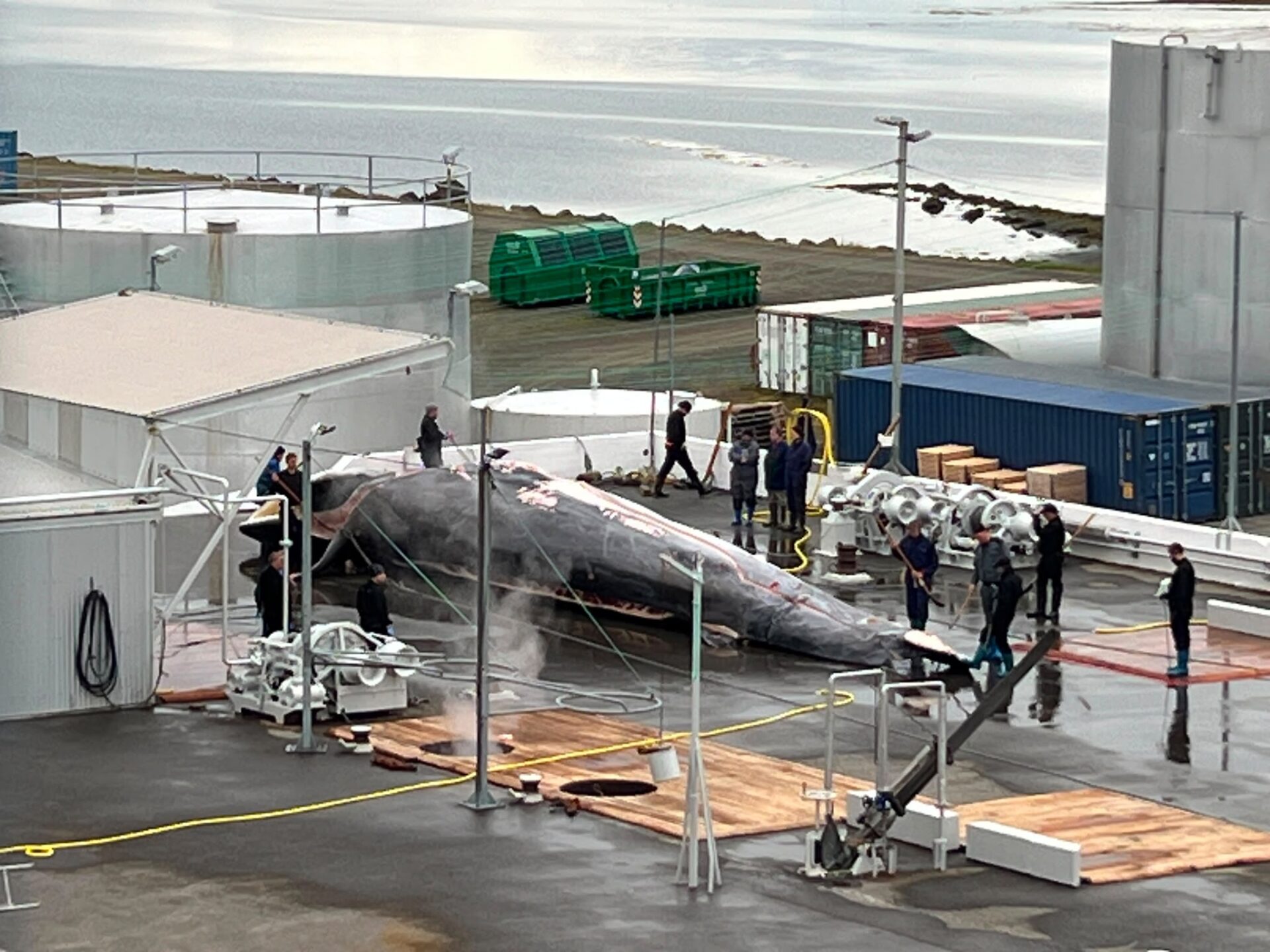
Fin whales are hunted exclusively by Hvalur hf, a single Icelandic company whose primary export market is Japan. That market, however, is increasingly uncertain. Japan recently resumed hunting fin whales with its own fleet and is understood to hold significant stockpiles of whale meat, raising serious questions about whether demand for Icelandic product remains viable.
The industry’s two-year pause was driven in part by those economic pressures, with the hunt deemed insufficiently profitable to continue.
Whether commercial reality will achieve what international pressure has not remains to be seen. Iceland, Norway and Japan are the only three countries that continue to permit commercial whaling, in defiance of the International Whaling Commission’s 1986 ban on the practice.
Public opposition within Iceland is growing. Polls suggest a majority of Icelanders now want whaling to end. Before Hvalur 9 departed on Friday, a protester attached himself to one of the vessel’s masts in Reykjavik harbour before being escorted away by police.
“Iceland has killed more than 1,000 fin whales in the past two decades – not only the second largest animal on the planet but also a species classified as globally vulnerable to extinction,” said Joanna Swabe, European Senior Public Affairs Director for Humane World for Animals. “The first fin whale deaths in Iceland’s hunt this year are devastating.”
Whether the government’s promised autumn legislation to end whaling will materialise – and whether it will be sufficient enough to stop the hunt – now becomes the central question. For the fin whales already in the water this season, it will come too late.


"*" indicates required fields
Printed editions
Current issue
Back issues


Enjoy so much more from Oceanographic Magazine by becoming a subscriber.
A range of subscription options are available.
