UK marine life 'bouncing back' after four years of kelp recovery
On the fourth anniversary of the Sussex Kelp Recovery Project and the introduction of the Sussex Nearshore Trawling Byelaw, researchers and locals are celebrating the encouraging signs of local marine life and seabed ecosystems now on the mend.

Four years into its landmark marine rewilding project – the largest of its kind in the UK – and the Sussex Kelp Recovery Project (SKRP) is reporting encouraging signs of restoration that includes a growing population of marine life and positive changes to life on the seabed along the Sussex coastline.
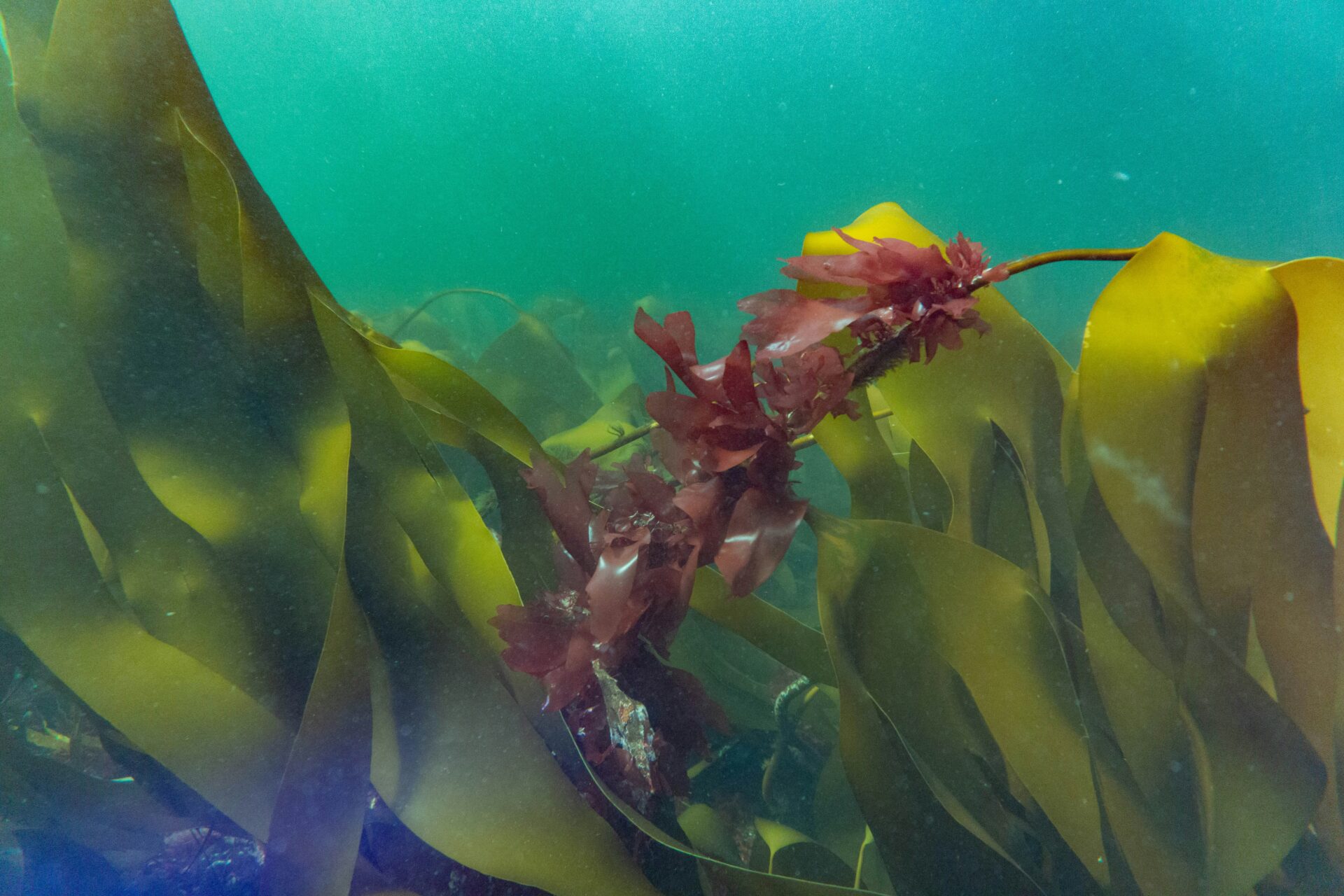
Sussex’s kelp forests had once covered vast areas of the coast, from Selsey to Shoreham, but by 2019 had suffered a confluence of crises that led to the devastation of as much as 96% of that land coverage.
Largely, this was due to The Great Storm of 1987, but was swiftly exacerbated by ensuing destructive fishing practices known as bottom-trawling, which ransacked the seabed and the wildlife which had lived there without prejudice.
Playing the significant role they do in habitat provision for fish and invertebrates critical to the marine ecosystem, the loss of these kelp forests was felt swiftly, significantly impacting local fisheries and marine biodiversity.
In a move to reverse this devastation, a landmark fisheries management byelaw was introduced in March 2021, officially known as the Sussex Inshore Fisheries and Conservation Authority (IFCA) Nearshore Trawling Byelaw. With it came a ban on all bottom-trawling across more than 300-square-kilometres of Sussex seabed, allowing essential fish habitats, including kelp forests, the chance to recover.
That recovery, it is now being reported, appears to have taken hold.
Eric Smith is a local freediver from Sussex Underwater, a local group with a shared local knowledge of the Sussex waters. Over the last 50 years, Smith has been able to observe the changes to marine life and biodiversity across the Sussex coastline.
“I was apprehensive about what I’d find this year after such a stormy winter,” he said. “But to my absolute delight, I witnessed a dramatic increase in marine biodiversity.”
Most remarkable, he says, was the “new, healthy kelp” he encountered during a dive at a place called Shelley Rocks, two miles east of Bognor Regis.
“This area had been stripped bare by trawlers many years ago, so seeing kelp regrowth and the return of marine life fills me with hope that our seabed is on the path to natural recovery,” he said.
In other news
Part of the Sussex Kelp Restoration Project is its ongoing monitoring and research programme, a set-up that includes underwater camera surveys, DNA analysis of biodiversity, divers taking cores of the seabed to understand carbon capture, and work with local fishermen to assess crab and lobster catches.
Some of the highlights over the four years since its launch, include new innovation in the species identification process, led by the Zoological Society of London and its Autonomous Reef Monitoring Systems to identify more than 180 species, including habitat forming oysters, ross, and honeycomb worms.
Meanwhile, vital observations from local divers have highlighted the notable expansion of mussel beds, the likes of which have not been seen in decades – a further indication, says the Project, of the benefits of reduced seabed disturbance.
“These beds of shelled molluscs are essential for the recovery of our underwater forests as, in the absence of rocky seabed, mussels can provide kelp with a hard surface to latch onto and grow,” said the Sussex Kelp Restoration Project team.
Elsewhere, and fish numbers that had once plummeted are bouncing back. Black Sea Bream was once targeted by trawling while their nests on the seabed are known to be vulnerable to fishing with bottom-towed gear. Since the protection was established, research at SKRP using Baited Remote Underwater Video analysis and observations by the local fishing community indicate a strong upwards tick in numbers.
Dr Chris Yesson, Benthic Ecologist, Senior Research Fellow at Zoological Society of London’s Institute of Zoology and SKRP Research Lead, said: “We welcome the fourth anniversary of the introduction of the nearshore trawling byelaw, which has given the seabed some much needed breathing space to recover.
“In just four years, we’ve already seen positive signs for the future of our Sussex coast, including valuable observations of native species such as tope, angelshark, and short-snouted seahorse, alongside notable signs of habitat improvement including the expansion of our mussel beds.
“We still have a way to go, but it’s exciting to see nature begin to flourish once more as we continue our work to restore the coastline.”
Now, to maintain the momentum around kelp recovery, the Sussex Kelp Recovery Project will host the UK’s first national kelp ecology conference this April at the Attenborough Centre at the University of Sussex. The event will bring together national researchers, conservationists, and policy makers to explore the next steps in rewilding our seas.
To coincide with the summit, the Blue Marine Foundation will release a report examining the barriers and optimal conditions for UK kelp recovery, offering valuable insights for future conservation efforts.


"*" indicates required fields
Printed editions
Current issue
Back issues

Enjoy so much more from Oceanographic Magazine by becoming a subscriber.
A range of subscription options are available.
