Deep-sea mining unnecessary for green energy transition
Adequate recycling and reuse of critical minerals, as well as improved public transition means that extracting nodules on the sea floor is not needed, according to new report
Deep-sea or critical ecosystems on land do not need to be sacrificed to limit global warming to 1.5°C, according to a new report from Institute for Sustainable Futures (UTS), in collaboration with Greenpeace International.
Governments should focus on reducing demand for raw materials – through adequate use of public transport, improved recycling programmes and advanced battery technologies – rather than opening the deep-sea to industrial exploitation.
The International Seabed Authority’s 31st meeting drew to a close today. Tensions played out with countries in favour of deep-sea mining pushing towards a mining code, and those against, wanting to maintain a moratorium – a pause until further scientific evidence had been gathered).
Mining companies have long relied on the argument that the green transition is impossible without extracting cobalt, nickel and manganese from the seafloor.
But this new study has found that ambitious recycling could reduce the total demand for the nine key minerals by up to 48%.
New battery technology – like lithium iron phosphate batteries, which do not contain nickel or cobalt – can also significantly reduce future demand for certain minerals
Critical minerals can be mined, where the impact would be as small as possible. But, these minerals must be reused and recycled, and areas with exceptional environmental and social importance – like indigenous land or the deep seafloor – the report has said.
Elsa Lee, head of biodiversity at Greenpeace International, said: “We cannot build a green future on a foundation of neocolonialism. Tech and mining giants are using the ‘fossil fuel playbook’ to spark a global resource scramble that threatens Indigenous lands and vital ecosystems.”
“We refuse to repeat the extractive mistakes of the past,” Lee added.

In other news


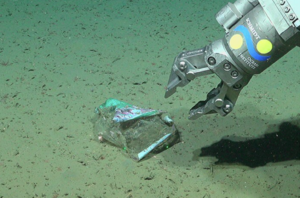


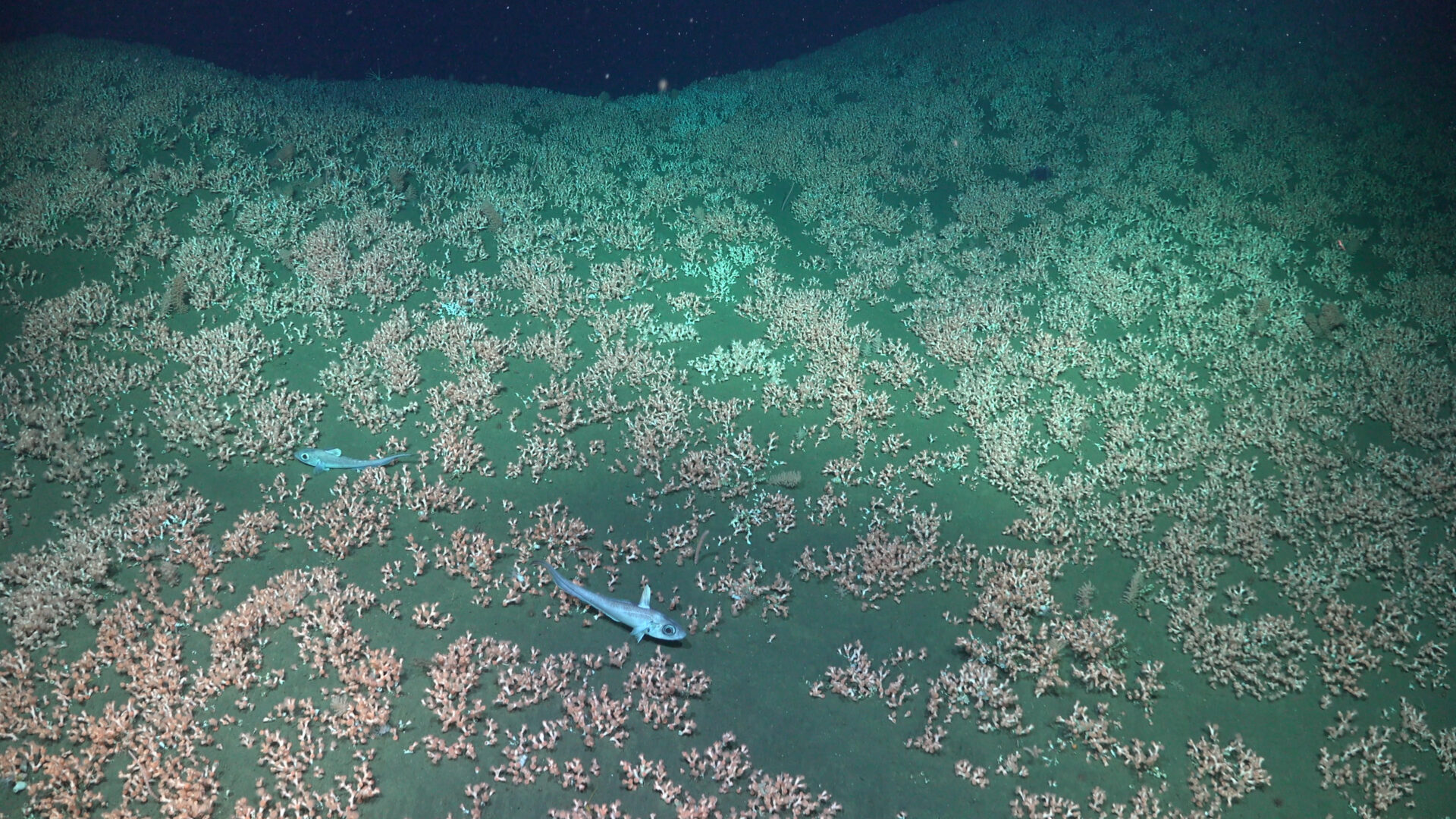
The report calls on the government to prepare for the green transition without mining these invaluable environments, by addressing the “mineral gap” through responsible political leadership and innovation.
This, it argues, should be done by supporting the scaling of alternative battery chemistries, like lithium iron phosphate batteries, and by making producers responsible for the entire lifecycle of their products, to ensure 100% of minerals in old batteries re-enter the supply chain.
Greenpeace has said the report contradicts the UK government’s main argument for continuing to sponsor deep-sea exploration licences: that it has the “potential to contribute to the global demand for critical minerals to support the energy transition to net zero”.
Erica Finnie, oceans campaigner at Greenpeace UK said: “The UK government is talking out of both sides of its mouth – claiming to be an ocean champion while quietly handing the keys to the seabed to private profiteers.”
“If the government is serious about protecting our oceans, it must stop the greenwashing, stop propping up the mining industry, and speak up in favour of a global moratorium on deep sea mining on the global stage,” Finnie added.


"*" indicates required fields
Printed editions
Current issue
Back issues




Enjoy so much more from Oceanographic Magazine by becoming a subscriber.
A range of subscription options are available.
