Orcas identified as mystery culprit behind mass dolphin strandings in Patagonia
Researchers used eye-witness accounts, autopsies to understand the causes behind the event, and inform future response efforts
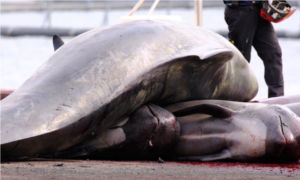
Hundreds of dolphins were found stranded in shallow waters along Argentina’s Patagonian coastline in 2021 and 2023. Their bodies bore no signs of human interference, wounds or illness – and the cause behind their mass stranding remained something of a mystery.
That was until new research, published in the Royal Society Open Science journal, found that orcas hunting in the area might be the culprit.
In 2021, 52 dolphins died due to being stranded in the shallow waters in San Antonio Bay in northern Patagonia. In 2023, 570 dolphins were found stranded, and returned in good health to the sea.
It is rare for stranding to happen en-masse in the southwestern Atlantic, and the phenomenon is poorly understood in the area. The two events then prompted researchers to take a closer look into the wider circumstances.
Causes for such strandings have generally been thought to be caused by everything from disease and disorientation to human activities and being trapped by tide.
But as scientists pieced together eye-witness accounts surrounding these stranding events, and conducted animal autopsies on 38 of the dolphins which has died in the 2021 event, their findings suggested a wholly different explanation: hunting from orcas in the region had driven these dolphins into the shallow, sandy waters of San Antonio Bay.

In other news


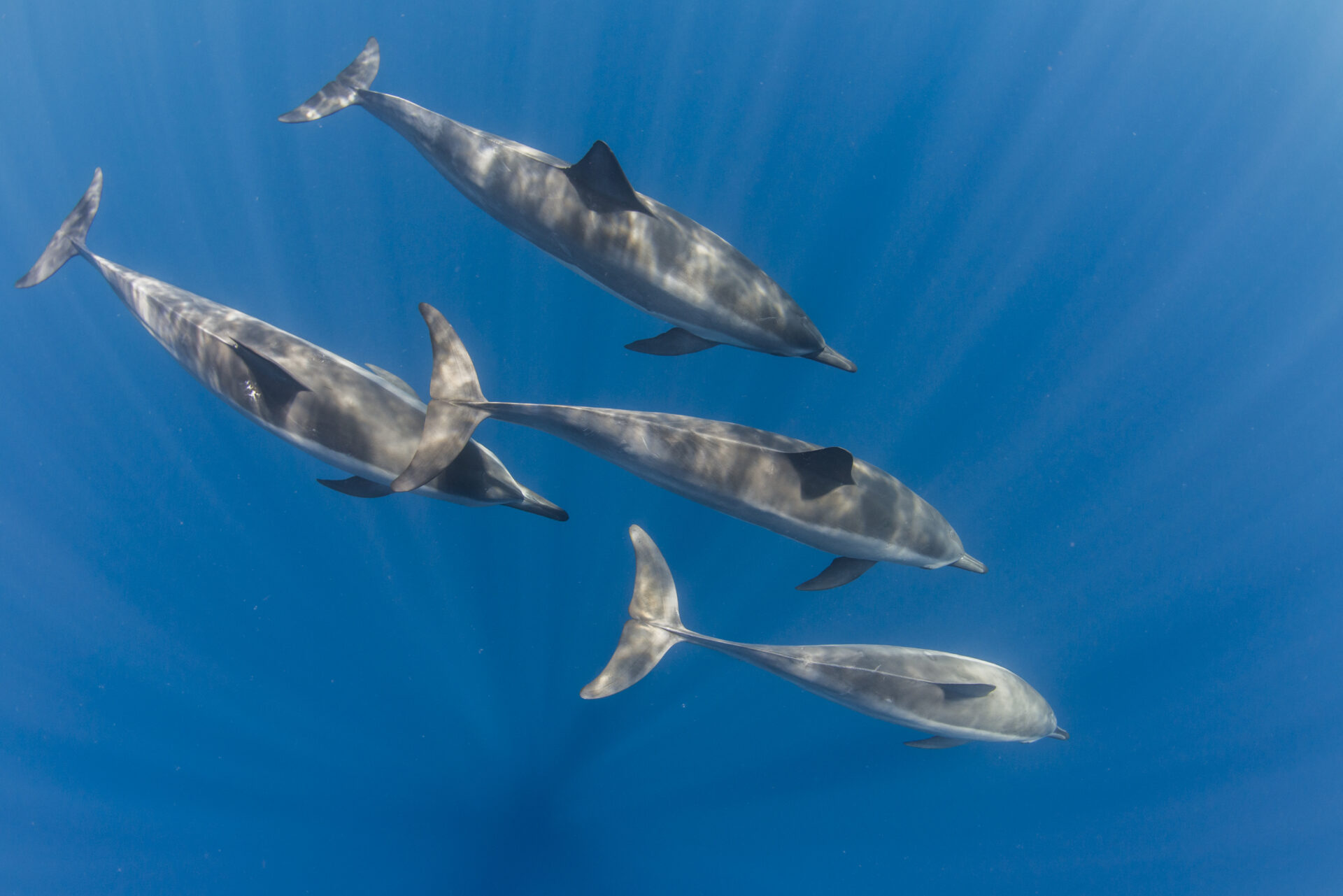
Interviews and photos confirmed that killer whales were in the area before both strandings, and footage showed dolphins huddling together tightly, then swimming to the shallowest parts of the bay, which feature narrow channels and are full of sandbanks.
The researchers were also able to identify individual orcas known to hunt in the area by matching the unique shape and notches on their dorsal fins with the Punta Norte Orca Research ID Guide.
“Our study provides novel evidence suggesting that predator presence may also be an important contributing factor,” the researchers said in the paper.
They added that knowing this new dynamic – where mass strandings are not caused by disease or injury – can help to focus rapid response efforts in these cases.
In their paper, the scientists said: “The repeated association between killer whale activity and Mass Stranding Events underscores the importance of continued monitoring to evaluate long-term trends in predator-prey interactions and their ecological implications.”


"*" indicates required fields
Printed editions
Current issue
Back issues
Enjoy so much more from Oceanographic Magazine by becoming a subscriber.
A range of subscription options are available.
